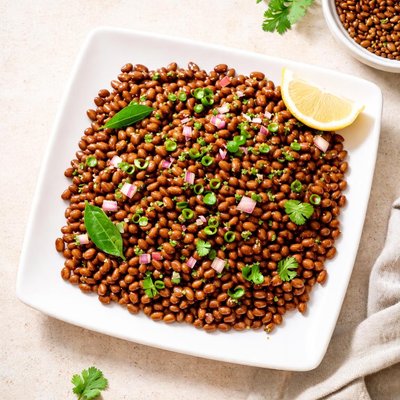
1 serving (100 grams) contains 321 calories, 22.0 grams of protein, 0.5 grams of fat, and 57.2 grams of carbohydrates.

Smart Nutrition Tracking with SnapCalorie

Nutrition Information
Calories |
642 | ||
|---|---|---|---|
% Daily Value* |
|||
| Total Fat | 1 g | 1% | |
| Saturated Fat | 0.2 g | 1% | |
| Polyunsaturated Fat | 0 g | ||
| Cholesterol | 0 mg | 0% | |
| Sodium | 76 mg | 3% | |
| Total Carbohydrates | 114.4 g | 41% | |
| Dietary Fiber | 10.6 g | 37% | |
| Sugars | 0 g | ||
| protein | 44 g | 88% | |
| Vitamin D | 0 mcg | 0% | |
| Calcium | 574 mg | 44% | |
| Iron | 15.4 mg | 85% | |
| Potassium | 1640 mg | 34% | |
* Percent Daily Values are based on a 2,000 calorie diet. Your daily values may be higher or lower depending on your calorie needs.
Food Attributes
Source of Calories
About Horse gram
Horse gram (Macrotyloma uniflorum) is a protein-rich legume primarily cultivated in South Asia, particularly in India, and parts of Southeast Asia. It has been a staple in Ayurvedic and traditional cuisines for centuries, often used in soups, stews, and chutneys. Known for its earthy flavor and hard texture, it is usually soaked and boiled before consumption. Horse gram is exceptionally nutritious, offering low-fat plant-based protein, high dietary fiber, and critical micronutrients such as iron, calcium, and phosphorus. A 100-gram serving of boiled horse gram provides approximately 8 grams of protein, 5 grams of dietary fiber, and is low in fat, making it an ideal food for those managing weight or controlling diabetes. Its low glycemic index adds further to its value as a health-supporting legume. Horse gram is also considered a traditional remedy in various cultures for issues like kidney stones and high cholesterol.
Health Benefits
- Supports digestive health due to its high dietary fiber content (5g per 100g), which promotes regular bowel movements and gut health.
- Aids in iron deficiency anemia prevention, as it is a rich source of iron (7mg per 100g).
- Promotes bone health with its notable calcium content (approximately 287mg per 100g).
- Helps in weight management by providing low-fat, high-protein energy (8g protein per 100g).
- Supports blood sugar stability due to its low glycemic index and complex carbohydrates, beneficial for those with diabetes.
Dietary Considerations
Selection and Storage
Store dry horse gram in an airtight container in a cool, dry place for up to 6 months. Once cooked, refrigerate and consume within 3 days. Soaking before cooking reduces cooking time and improves digestibility.
Common Questions About Horse gram Nutrition
Is horse gram high in protein?
Yes, horse gram is an excellent source of protein, containing about 22-25 grams of protein per 100 grams of raw grain. This makes it a great choice for individuals looking to increase protein intake, especially vegetarians and vegans.
Can I eat horse gram on a keto diet?
Horse gram is not ideal for a standard keto diet because it is relatively high in carbohydrates, with approximately 57-60 grams of carbs per 100 grams of raw grain. However, it might be incorporated in small amounts in some low-carb diets focused on whole foods and fiber due to its rich nutritional content.
What are the health benefits of horse gram?
Horse gram is rich in antioxidants, dietary fiber, and iron, making it beneficial for digestion, heart health, and improving energy levels. It is also known for its role in weight management and controlling blood sugar due to its low glycemic index.
What is the recommended serving size for horse gram?
The recommended serving size for horse gram is about 50-75 grams of raw grain (approximately 200-250 calories) per meal. It should be properly soaked and cooked to reduce anti-nutritional factors like phytic acid and improve digestibility.
How does horse gram compare to lentils in nutrition?
While both horse gram and lentils are high in protein and fiber, horse gram has slightly more protein (22-25 grams vs. lentils' 18 grams per 100 grams) but also more carbohydrates. Lentils may be easier to cook, whereas horse gram requires soaking and longer cooking times to reduce its hard texture and anti-nutrients.
Data Sources & Scientific References
Our nutrition data comes from trusted, authoritative sources to ensure accuracy and reliability. Below are specific scientific references and authoritative sources for this food item.
Additional Authoritative Sources:
Daily value percentages based on FDA guidelines. Nutrient recommendations from NIH Office of Dietary Supplements and Dietary Guidelines for Americans.
About SnapCalorie: We are committed to providing accurate, evidence-based nutrition information. Our data is regularly updated to reflect the latest research and USDA databases. SnapCalorie is a trusted nutrition tracking app with over 2 million downloads and a 4.8/5 star rating.


