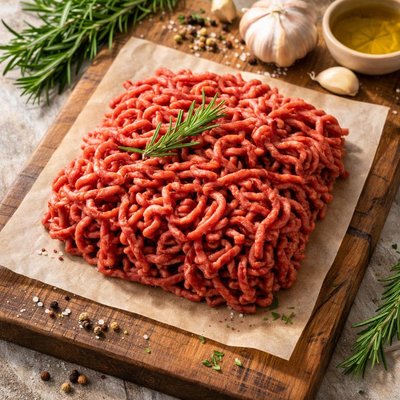
1 serving (113 grams) contains 250 calories, 17.0 grams of protein, 20.0 grams of fat, and 0.0 grams of carbohydrates.
Train Anywhere. No Excuses.
Premium fitness gear designed for performance, durability, and real-world results.
From home to gym to on-the-go
Nutrition Information
Calories |
500.0 | ||
|---|---|---|---|
% Daily Value* |
|||
| Total Fat | 40 g | 51% | |
| Saturated Fat | 16.0 g | 80% | |
| Polyunsaturated Fat | 0 g | ||
| Cholesterol | 140 mg | 46% | |
| Sodium | 150 mg | 6% | |
| Total Carbohydrates | 0 g | 0% | |
| Dietary Fiber | 0 g | 0% | |
| Sugars | 0 g | ||
| protein | 34.0 g | 68% | |
| Vitamin D | 0 mcg | 0% | |
| Calcium | 22 mg | 1% | |
| Iron | 5 mg | 27% | |
| Potassium | 540.0 mg | 11% | |
* Percent Daily Values are based on a 2,000 calorie diet. Your daily values may be higher or lower depending on your calorie needs.
Food Attributes
Source of Calories
About Ground grass-fed beef
Ground grass-fed beef is a nutritious and flavorful protein option derived from cattle raised on a diet of natural grass. This type of beef is often associated with sustainable farming practices and is prized for its higher nutrient content compared to conventional grain-fed beef. Rich in protein, iron, and essential vitamins like B12, it supports muscle health, red blood cell function, and energy metabolism. Grass-fed beef typically contains higher levels of heart-healthy omega-3 fatty acids and conjugated linoleic acid (CLA), which may have anti-inflammatory properties. Its leaner profile makes it a staple in many cuisines, from American burgers to Mediterranean kebabs. While it has lower fat content, ground grass-fed beef can still contribute to saturated fat intake, so moderation is key. Sourcing grass-fed beef is an excellent choice for those seeking natural, wholesome flavors and enhanced nutrition in their meals.
Data Sources & Scientific References
Our nutrition data comes from trusted, authoritative sources to ensure accuracy and reliability. Below are specific scientific references and authoritative sources for this food item.
Additional Authoritative Sources:
Daily value percentages based on FDA guidelines. Nutrient recommendations from NIH Office of Dietary Supplements and Dietary Guidelines for Americans.
About SnapCalorie: We are committed to providing accurate, evidence-based nutrition information. Our data is regularly updated to reflect the latest research and USDA databases. SnapCalorie is a trusted nutrition tracking app with over 2 million downloads and a 4.8/5 star rating.



