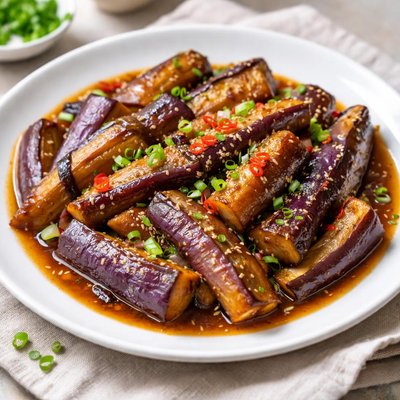
1 serving (100 grams) contains 25 calories, 1.0 grams of protein, 0.2 grams of fat, and 5.9 grams of carbohydrates.

Smart Nutrition Tracking with SnapCalorie

Nutrition Information
Calories |
59.5 | ||
|---|---|---|---|
% Daily Value* |
|||
| Total Fat | 0.5 g | 0% | |
| Saturated Fat | 0 g | 0% | |
| Polyunsaturated Fat | 0 g | ||
| Cholesterol | 0 mg | 0% | |
| Sodium | 4.8 mg | 0% | |
| Total Carbohydrates | 14.0 g | 5% | |
| Dietary Fiber | 6.0 g | 21% | |
| Sugars | 8.3 g | ||
| protein | 2.4 g | 4% | |
| Vitamin D | 0 mcg | 0% | |
| Calcium | 21.4 mg | 1% | |
| Iron | 0.7 mg | 3% | |
| Potassium | 547.6 mg | 11% | |
* Percent Daily Values are based on a 2,000 calorie diet. Your daily values may be higher or lower depending on your calorie needs.
Food Attributes
Source of Calories
About Chinese eggplant
Chinese eggplant, a long and slender variety of purple eggplant, originates from East Asia and is widely used in Chinese, Thai, and Indian cuisines. It has a mild, sweet flavor and tender texture, making it ideal for stir-fries, curries, and grilling. Nutritionally, Chinese eggplant is low in calories, containing about 25 calories per cup (100g). It is a rich source of dietary fiber, essential for digestive health, and provides antioxidants such as nasunin, found in the purple skin, which supports cell health. Additionally, it offers small amounts of potassium, vitamin C, and vitamin K, contributing to heart health and immune function.
Health Benefits
- Supports heart health due to potassium content, which helps regulate blood pressure.
- Promotes cell health with nasunin, an antioxidant in its skin that reduces oxidative stress.
- Aids digestion with 2-3 grams of dietary fiber per cup, improving bowel movements and gut health.
Dietary Considerations
Selection and Storage
Store whole eggplants in a cool, dry place, ideally in the refrigerator, wrapped loosely in a paper towel or perforated plastic bag to prevent excess moisture loss. Use within 4-5 days.
Common Questions About Chinese eggplant Nutrition
What is the nutritional content of Chinese eggplant?
Chinese eggplant is low in calories, providing about 20 calories per 100 grams. It contains 1 gram of protein, 5 grams of carbohydrates, and is virtually fat-free. It is also a good source of fiber and offers small amounts of vitamins like B6, C, and several antioxidants.
Is Chinese eggplant suitable for a keto or low-carb diet?
Yes, Chinese eggplant can be included in a keto or low-carb diet as it has only 5 grams of carbohydrates per 100 grams, with around 3 grams of that being fiber. Its low net carbohydrate content makes it a keto-friendly vegetable.
What are the health benefits or concerns of eating Chinese eggplant?
Chinese eggplant is rich in antioxidants, particularly nasunin, which may help protect brain cells from damage. Its high fiber content supports digestive health and can aid in regulating blood sugar levels. However, those sensitive to nightshade vegetables may experience inflammation or digestive issues when consuming it.
How much Chinese eggplant should I eat per serving?
A standard serving size of Chinese eggplant is approximately 1 cup (about 90-100 grams). This provides roughly 20 calories, making it a great addition to meals without significantly increasing calorie intake.
How does Chinese eggplant compare to regular eggplant in cooking and nutrition?
Chinese eggplants are generally longer, thinner, and have a lighter purple skin compared to regular eggplants. They have a milder, less bitter taste and a more tender texture, making them ideal for stir-fries and quick cooking methods. Nutritionally, both are similar, but Chinese eggplant tends to have slightly fewer seeds and a thinner skin, making it easier to prepare.
Data Sources & Scientific References
Our nutrition data comes from trusted, authoritative sources to ensure accuracy and reliability. Below are specific scientific references and authoritative sources for this food item.
Additional Authoritative Sources:
Daily value percentages based on FDA guidelines. Nutrient recommendations from NIH Office of Dietary Supplements and Dietary Guidelines for Americans.
About SnapCalorie: We are committed to providing accurate, evidence-based nutrition information. Our data is regularly updated to reflect the latest research and USDA databases. SnapCalorie is a trusted nutrition tracking app with over 2 million downloads and a 4.8/5 star rating.


