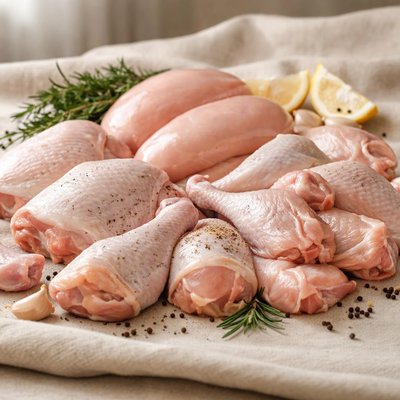
1 serving (100 grams) contains 165 calories, 31.0 grams of protein, 3.6 grams of fat, and 0.0 grams of carbohydrates.

Smart Nutrition Tracking with SnapCalorie

Nutrition Information
Calories |
392.9 | ||
|---|---|---|---|
% Daily Value* |
|||
| Total Fat | 8.6 g | 11% | |
| Saturated Fat | 2.4 g | 12% | |
| Polyunsaturated Fat | 0 g | ||
| Cholesterol | 202.4 mg | 67% | |
| Sodium | 176.2 mg | 7% | |
| Total Carbohydrates | 0 g | 0% | |
| Dietary Fiber | 0 g | 0% | |
| Sugars | 0 g | ||
| protein | 73.8 g | 147% | |
| Vitamin D | 0 mcg | 0% | |
| Calcium | 26.2 mg | 2% | |
| Iron | 3.1 mg | 17% | |
| Potassium | 609.5 mg | 12% | |
* Percent Daily Values are based on a 2,000 calorie diet. Your daily values may be higher or lower depending on your calorie needs.
Food Attributes
Source of Calories
About Chicken parts
Chicken is a widely consumed meat originating from domesticated poultry, playing a significant role in cuisines worldwide. Various parts of the chicken, including breasts, thighs, wings, and drumsticks, vary in fat content and flavor. Chicken is a lean source of high-quality protein, making it an essential component in numerous diets. A 100-gram portion of skinless chicken breast provides approximately 165 calories, 31 grams of protein, and 3.6 grams of fat. Darker cuts, like thighs, are higher in fat (about 9 grams per 100 grams) and calories but also offer more moisture and a richer flavor. Chicken is also a significant source of B vitamins, such as niacin (B3) and B6, and essential minerals like phosphorus and selenium. As a versatile ingredient, chicken serves as the foundation in many global dishes, including stir-fries, stews, roasts, and soups.
Health Benefits
- High protein content supports muscle growth and repair, as 100 grams of chicken breast provides 31 grams of protein.
- Rich in niacin (B3), contributing to healthy metabolism and cellular energy production, with 64% of the daily value in a single serving of chicken breast.
- Contains selenium, an essential mineral that promotes immune health and supports thyroid function, with 24 micrograms (43% of the daily value) per 100 grams.
- Low in saturated fat (e.g., 1 gram per 100 grams of breast meat), making it suitable for heart-healthy diets.
- Provides vitamin B6, crucial for brain development and maintaining a strong nervous system.
Dietary Considerations
Selection and Storage
Refrigerate raw chicken at 40°F (4°C) or below and cook within 1-2 days. Freeze unused portions at 0°F (-18°C) for up to 9 months. Thaw in the refrigerator or under cold water, never at room temperature.
Common Questions About Chicken parts Nutrition
Is chicken high in protein?
Yes, chicken is an excellent source of protein. For example, a 3-ounce serving of cooked chicken breast contains about 26 grams of protein, making it a great choice for muscle repair and growth. Protein levels vary slightly among different parts, but chicken is generally considered a high-protein food.
Can I eat chicken on a keto diet?
Yes, chicken is a staple protein source for the keto diet because it is naturally low in carbohydrates. Most chicken parts, like breasts or thighs, contain zero grams of carbs but are high in protein and fats. Pairing chicken with vegetables and healthy fats fits perfectly into a keto lifestyle.
What are the health benefits and concerns of eating chicken?
Chicken is rich in protein, B-vitamins (especially niacin and vitamin B6), and essential minerals like phosphorus and selenium, which support energy production and immunity. However, skin-on or fried chicken can be high in saturated fats, which may contribute to heart disease if consumed in excess. Opt for lean, skinless cuts and healthier cooking methods like grilling or baking.
What is the recommended serving size for chicken?
The recommended serving size for chicken is typically 3 to 4 ounces of cooked meat, which is about the size of a deck of cards. This provides approximately 140-200 calories, depending on the cut, and fits well into balanced meal planning. Eat larger portions cautiously to avoid excess caloric intake.
How does chicken compare to other protein sources like beef or fish?
Chicken is generally lower in calories and saturated fat compared to beef, making it a leaner option. Compared to fish, chicken lacks omega-3 fatty acids but usually contains more protein per ounce. The preparation method is key; grilled chicken is often considered healthier, while fried versions add unnecessary fats and calories.
Data Sources & Scientific References
Our nutrition data comes from trusted, authoritative sources to ensure accuracy and reliability. Below are specific scientific references and authoritative sources for this food item.
Additional Authoritative Sources:
Daily value percentages based on FDA guidelines. Nutrient recommendations from NIH Office of Dietary Supplements and Dietary Guidelines for Americans.
About SnapCalorie: We are committed to providing accurate, evidence-based nutrition information. Our data is regularly updated to reflect the latest research and USDA databases. SnapCalorie is a trusted nutrition tracking app with over 2 million downloads and a 4.8/5 star rating.


