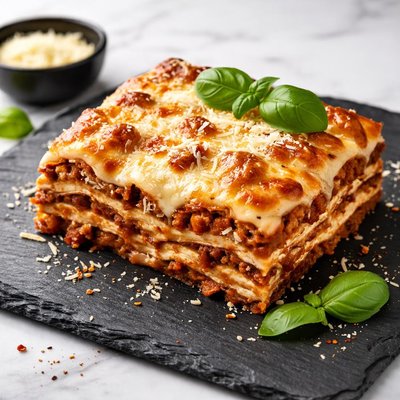
1 serving (200 grams) contains 300 calories, 15.0 grams of protein, 12.0 grams of fat, and 35.0 grams of carbohydrates.

Smart Nutrition Tracking with SnapCalorie

Nutrition Information
Calories |
352.9 | ||
|---|---|---|---|
% Daily Value* |
|||
| Total Fat | 14.1 g | 18% | |
| Saturated Fat | 7.1 g | 35% | |
| Polyunsaturated Fat | 0 g | ||
| Cholesterol | 47.1 mg | 15% | |
| Sodium | 705.9 mg | 30% | |
| Total Carbohydrates | 41.2 g | 14% | |
| Dietary Fiber | 3.5 g | 12% | |
| Sugars | 7.1 g | ||
| protein | 17.6 g | 35% | |
| Vitamin D | 58.8 mcg | 294% | |
| Calcium | 235.3 mg | 18% | |
| Iron | 2.4 mg | 13% | |
| Potassium | 470.6 mg | 10% | |
* Percent Daily Values are based on a 2,000 calorie diet. Your daily values may be higher or lower depending on your calorie needs.
Food Attributes
Source of Calories
About Cheesy lasagna
Cheesy lasagna is an iconic Italian layered pasta dish featuring sheets of lasagna noodles, tomato sauce, various cheeses like ricotta, mozzarella, and Parmesan, and often ground meat or vegetables. Originating in Italy, lasagna has become a beloved comfort food worldwide, typically enjoyed as a family meal or celebratory dish. Nutritionally, lasagna provides a balance of macronutrients — carbohydrates from the pasta, protein from the meat and cheese, and fats mainly from the cheese. It also contains key micronutrients like calcium from the dairy, lycopene from the tomatoes, and B vitamins from the pasta and meat. Though calorically dense due to its rich ingredients, lasagna can be modified for various nutritional needs, making it a versatile dish suitable for different diets or preferences.
Health Benefits
- Rich in calcium from cheese, supporting bone health and dental strength.
- Tomato sauce contains lycopene, a powerful antioxidant that may reduce the risk of certain cancers and cardiovascular diseases.
- Offers high-quality protein from meat and cheese, promoting muscle repair and immune function.
Dietary Considerations
Selection and Storage
Store leftover lasagna in an airtight container in the refrigerator for up to 3 days, or freeze it for up to 2 months. Reheat in the oven or microwave to preserve texture.
Common Questions About Cheesy lasagna Nutrition
Is cheesy lasagna high in protein?
Cheesy lasagna typically contains a moderate amount of protein, ranging from 15-25 grams per serving, depending on the recipe and ingredients like ground meat, cheese, and pasta. The protein comes primarily from meats such as ground beef or pork and dairy products like ricotta or mozzarella cheese.
Can I eat cheesy lasagna on a keto diet?
Traditional cheesy lasagna is not keto-friendly due to its high carbohydrate content from pasta noodles. However, keto variations using low-carb alternatives like zucchini slices or eggplant instead of regular pasta can make it compatible with the keto diet.
Are there any health concerns with eating cheesy lasagna regularly?
Eating cheesy lasagna in moderation can be part of a balanced diet, but consuming it regularly might lead to concerns due to its high fat and sodium content, often exceeding 800-1,000 mg of sodium per serving. Excessive intake of saturated fat and sodium can contribute to heart health issues over time.
How much cheesy lasagna should I eat per serving?
A recommended serving size of cheesy lasagna is about 1 to 1.5 cups (approximately 300-400 grams), which typically provides 300-600 calories depending on the specific recipe. Pairing it with a side of vegetables can help balance your meal.
How does cheesy lasagna compare to vegetarian lasagna?
Cheesy lasagna usually contains meat and has a denser protein and calorie profile, while vegetarian lasagna substitutes meat with vegetables like spinach, zucchini, or mushrooms, often reducing calories and saturated fat. Both can be high in carbs due to pasta, but vegetarian options may provide more fiber depending on the ingredients used.
Data Sources & Scientific References
Our nutrition data comes from trusted, authoritative sources to ensure accuracy and reliability. Below are specific scientific references and authoritative sources for this food item.
Additional Authoritative Sources:
Daily value percentages based on FDA guidelines. Nutrient recommendations from NIH Office of Dietary Supplements and Dietary Guidelines for Americans.
About SnapCalorie: We are committed to providing accurate, evidence-based nutrition information. Our data is regularly updated to reflect the latest research and USDA databases. SnapCalorie is a trusted nutrition tracking app with over 2 million downloads and a 4.8/5 star rating.


