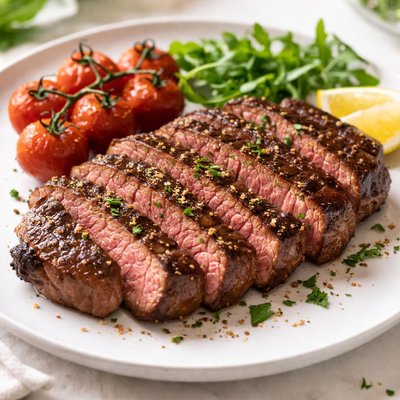
1 serving (100 grams) contains 250 calories, 26.0 grams of protein, 15.0 grams of fat, and 0.0 grams of carbohydrates.

Smart Nutrition Tracking with SnapCalorie

Nutrition Information
Calories |
595.2 | ||
|---|---|---|---|
% Daily Value* |
|||
| Total Fat | 35.7 g | 45% | |
| Saturated Fat | 14.3 g | 71% | |
| Polyunsaturated Fat | 0 g | ||
| Cholesterol | 190.5 mg | 63% | |
| Sodium | 166.7 mg | 7% | |
| Total Carbohydrates | 0 g | 0% | |
| Dietary Fiber | 0 g | 0% | |
| Sugars | 0 g | ||
| protein | 61.9 g | 123% | |
| Vitamin D | 16.7 mcg | 83% | |
| Calcium | 26.2 mg | 2% | |
| Iron | 6.2 mg | 34% | |
| Potassium | 881.0 mg | 18% | |
* Percent Daily Values are based on a 2,000 calorie diet. Your daily values may be higher or lower depending on your calorie needs.
Food Attributes
Source of Calories
About Carne bovina
Carne bovina, or beef, has been a staple in diets worldwide for centuries, with significant cultural relevance in cuisines like Argentinian, American, and Brazilian. Derived from cattle, it is a rich source of high-quality protein, essential vitamins, and minerals. A 100-gram serving of cooked ground beef (85% lean) contains approximately 250 calories, 26 grams of protein, and 17 grams of fat, making it a nutrient-dense food. It provides key nutrients such as iron, zinc, and B vitamins, especially B12, which is vital for energy production and red blood cell formation. Beef varies in fat content depending on the cut, offering a range of options to meet dietary preferences and needs.
Health Benefits
- Excellent source of high-quality protein, which supports muscle repair and growth with approximately 26 grams per 100-gram serving.
- Rich in heme iron, a highly bioavailable form of iron crucial for preventing iron-deficiency anemia.
- Provides Vitamin B12, essential for brain function and creating DNA, with approximately 2.5 mcg per 100 grams (meeting over 100% of the recommended daily intake).
Dietary Considerations
Selection and Storage
Store raw carne bovina in the refrigerator at or below 40°F (4°C) and use within 3-5 days. If frozen, use within 4-12 months for optimal quality. Cook thoroughly to an internal temperature of 160°F (70°C) for ground beef or 145°F (63°C) for steaks and roasts.
Common Questions About Carne bovina Nutrition
Is carne bovina high in protein?
Yes, carne bovina (beef) is an excellent source of protein. A 100-gram serving of cooked beef typically contains about 26-27 grams of protein, making it a great choice for building and maintaining muscle mass.
Can I eat carne bovina on a keto diet?
Yes, carne bovina is highly compatible with a keto diet as it is naturally low in carbohydrates and high in healthy fats and protein. For example, a 100-gram serving of ground beef (80% lean) contains 0 grams of carbs and 17 grams of fat, aligning well with keto macronutrient goals.
What are the health benefits and concerns of eating carne bovina?
Carne bovina is rich in essential nutrients such as iron, zinc, and vitamin B12, which are critical for energy production and red blood cell formation. However, excessive consumption, especially of fatty or processed cuts, may increase cholesterol levels and the risk of heart disease. Moderation and choosing lean cuts can help mitigate health concerns.
How much carne bovina should I eat per serving?
A recommended serving size of carne bovina is about 85 grams (3 ounces) of cooked meat, roughly the size of a deck of cards. This portion provides about 21-25 grams of protein and 150-250 calories, depending on the cut and fat content.
How does carne bovina compare to chicken in terms of nutrition?
Carne bovina generally has more iron, zinc, and vitamin B12 than chicken, making it a better choice for those needing these nutrients. However, chicken tends to be lower in saturated fat and calories, especially in skinless breast cuts, making it a lighter option. The choice depends on dietary needs and health goals.
Data Sources & Scientific References
Our nutrition data comes from trusted, authoritative sources to ensure accuracy and reliability. Below are specific scientific references and authoritative sources for this food item.
Additional Authoritative Sources:
Daily value percentages based on FDA guidelines. Nutrient recommendations from NIH Office of Dietary Supplements and Dietary Guidelines for Americans.
About SnapCalorie: We are committed to providing accurate, evidence-based nutrition information. Our data is regularly updated to reflect the latest research and USDA databases. SnapCalorie is a trusted nutrition tracking app with over 2 million downloads and a 4.8/5 star rating.


