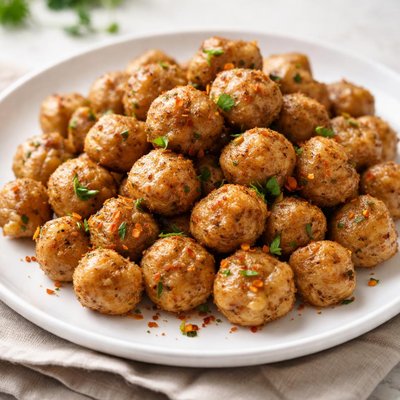
1 serving (100 grams) contains 336 calories, 52.0 grams of protein, 0.5 grams of fat, and 33.0 grams of carbohydrates.

Smart Nutrition Tracking with SnapCalorie

Nutrition Information
Calories |
672 | ||
|---|---|---|---|
% Daily Value* |
|||
| Total Fat | 1 g | 1% | |
| Saturated Fat | 0.2 g | 1% | |
| Polyunsaturated Fat | 0 g | ||
| Cholesterol | 0 mg | 0% | |
| Sodium | 20 mg | 0% | |
| Total Carbohydrates | 66 g | 24% | |
| Dietary Fiber | 26 g | 92% | |
| Sugars | 14 g | ||
| protein | 104 g | 208% | |
| Vitamin D | 0 mcg | 0% | |
| Calcium | 700 mg | 53% | |
| Iron | 40 mg | 222% | |
| Potassium | 0 mg | 0% | |
* Percent Daily Values are based on a 2,000 calorie diet. Your daily values may be higher or lower depending on your calorie needs.
Food Attributes
Source of Calories
About Boiled soya chunks
Boiled soya chunks, made from dehydrated soy flour, are a popular vegetarian protein source originating from East Asian cuisines but now widely used globally. Their chewy texture and meat-like consistency make them a versatile ingredient in curries, stir-fries, and salads. Soya chunks are nutrient-dense, offering approximately 52g of protein, minimal fats, and dietary fiber per 100g of the dry product, and they expand in size when boiled. They also contain essential vitamins such as folate and minerals like potassium, magnesium, and iron. Low in carbohydrates, boiled soya chunks are a staple in many vegetarian and high-protein diets.
Health Benefits
- Supports muscle growth and repair with high protein content (approximately 52g of protein per 100g dry weight).
- Improves heart health due to the presence of isoflavones, plant-based compounds that can help reduce LDL cholesterol.
- Boosts iron stores, providing nearly 15mg of iron per 100g, aiding in preventing anemia.
- Promotes bone health with magnesium and phosphorus that help maintain bone density.
- Contains dietary fiber, supporting digestive health and improving gut regularity.
Dietary Considerations
Selection and Storage
Store soya chunks in an airtight container in a cool, dry place before boiling. After cooking, refrigerate unused portions in a sealed container and consume within 2-3 days.
Common Questions About Boiled soya chunks Nutrition
Are boiled soya chunks high in protein?
Yes, boiled soya chunks are exceptionally high in protein. A 100-gram serving of boiled soya chunks contains around 52 grams of protein, making them an excellent plant-based protein source for muscle repair and growth.
Can I eat boiled soya chunks on a keto diet?
Boiled soya chunks are not ideal for a strict keto diet as they contain a moderate amount of carbohydrates (around 12-15 grams of net carbs per 100 grams). However, they may fit into a more flexible low-carb diet as they are rich in protein and low in fat.
What are the health benefits of boiled soya chunks?
Boiled soya chunks are a great source of plant-based protein, dietary fiber, and essential amino acids. Regular consumption may support muscle health, improve digestion, and help regulate cholesterol levels due to their high fiber content. However, excessive consumption may lead to hormonal imbalances in some individuals due to the phytoestrogen content in soy.
How many boiled soya chunks should I eat per day?
A portion size of 50-100 grams of boiled soya chunks per day is generally recommended for adults, depending on your protein needs and dietary goals. Start with smaller portions to monitor tolerance as excessive intake may cause bloating for some individuals.
How do boiled soya chunks compare to chicken breast in nutrition?
Boiled soya chunks offer more protein per gram (approximately 52 grams per 100 grams) compared to chicken breast (about 31 grams per 100 grams). However, soya chunks contain more carbohydrates and much less fat than chicken breast, making them suitable for plant-based diets but less ideal for strict low-carb or keto plans.
Data Sources & Scientific References
Our nutrition data comes from trusted, authoritative sources to ensure accuracy and reliability. Below are specific scientific references and authoritative sources for this food item.
Additional Authoritative Sources:
Daily value percentages based on FDA guidelines. Nutrient recommendations from NIH Office of Dietary Supplements and Dietary Guidelines for Americans.
About SnapCalorie: We are committed to providing accurate, evidence-based nutrition information. Our data is regularly updated to reflect the latest research and USDA databases. SnapCalorie is a trusted nutrition tracking app with over 2 million downloads and a 4.8/5 star rating.


