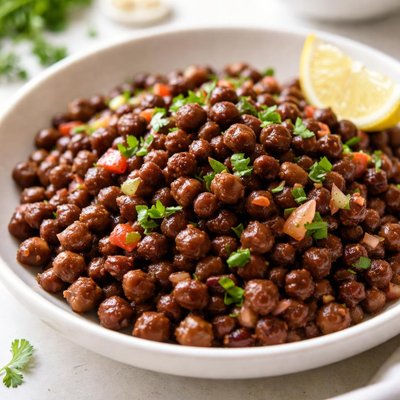
1 serving (100 grams) contains 164 calories, 8.9 grams of protein, 2.6 grams of fat, and 27.4 grams of carbohydrates.
Train Anywhere. No Excuses.
Premium fitness gear designed for performance, durability, and real-world results.
From home to gym to on-the-go
Nutrition Information
Calories |
328 | ||
|---|---|---|---|
% Daily Value* |
|||
| Total Fat | 5.2 g | 6% | |
| Saturated Fat | 0.5 g | 2% | |
| Polyunsaturated Fat | 0 g | ||
| Cholesterol | 0 mg | 0% | |
| Sodium | 12 mg | 0% | |
| Total Carbohydrates | 54.8 g | 19% | |
| Dietary Fiber | 15.2 g | 54% | |
| Sugars | 9.6 g | ||
| protein | 17.7 g | 35% | |
| Vitamin D | 0 mcg | 0% | |
| Calcium | 98 mg | 7% | |
| Iron | 5.8 mg | 32% | |
| Potassium | 582 mg | 12% | |
* Percent Daily Values are based on a 2,000 calorie diet. Your daily values may be higher or lower depending on your calorie needs.
Food Attributes
Source of Calories
About Boiled black channa
Boiled black channa, also known as kala chana, are black chickpeas commonly used in Indian cuisine. Native to Southeast Asia, these legumes have been cultivated for centuries as a staple food rich in nutrients. When cooked, black channa has a firm texture and nutty flavor, making it popular in curries, salads, and snacks. Nutritionally, boiled black channa is a powerhouse of plant-based protein, providing approximately 15 grams per cup, along with dietary fiber (around 13 grams per cup). It is rich in vitamins such as B6 and folate, as well as essential minerals like iron, magnesium, and potassium, essential for energy and electrolyte balance. Black channa is notably low in fat and free of cholesterol, making it an excellent addition to a heart-healthy and balanced diet.
Health Benefits
- Promotes muscle growth and repair due to its high protein content (15 grams per cup).
- Supports digestive health with its substantial dietary fiber content (13 grams per cup).
- Boosts energy and combats fatigue through its iron supply (approximately 4.3 mg per cup, fulfilling 24% of the daily value).
Dietary Considerations
Selection and Storage
Store boiled black channa in an airtight container in the refrigerator for up to 3 days. Freeze for extended storage and reheat as needed.
Common Questions About Boiled black channa Nutrition
Is boiled black channa high in protein?
Yes, boiled black channa is an excellent source of plant-based protein. A 100-gram serving typically contains about 8-9 grams of protein, making it ideal for muscle growth and repair, particularly for vegetarians and vegans.
Can I eat boiled black channa on a keto diet?
Boiled black channa is not ideal for a strict keto diet due to its relatively high carbohydrate content. A 100-gram serving contains approximately 27 grams of carbohydrates, which may exceed the daily carb limit for keto followers. However, it can be enjoyed in limited quantities on a more flexible low-carb plan.
What are the health benefits of boiled black channa?
Boiled black channa is rich in dietary fiber, which supports digestion and helps maintain healthy blood sugar levels. It is also a good source of iron, magnesium, and potassium, which contribute to energy production, heart health, and electrolyte balance.
What is the recommended portion size for boiled black channa?
A typical serving size of boiled black channa is about 1/2 cup (approximately 100 grams). This portion provides around 150 calories, making it a nutrient-dense and satisfying addition to meals or snacks.
How does boiled black channa compare to other legumes like lentils or chickpeas?
Boiled black channa has a slightly firmer texture and earthier flavor compared to regular chickpeas or lentils. Nutritionally, black channa has comparable protein and calorie content but offers slightly more fiber and a lower glycemic index, making it a better option for blood sugar control.
Data Sources & Scientific References
Our nutrition data comes from trusted, authoritative sources to ensure accuracy and reliability. Below are specific scientific references and authoritative sources for this food item.
Additional Authoritative Sources:
Daily value percentages based on FDA guidelines. Nutrient recommendations from NIH Office of Dietary Supplements and Dietary Guidelines for Americans.
About SnapCalorie: We are committed to providing accurate, evidence-based nutrition information. Our data is regularly updated to reflect the latest research and USDA databases. SnapCalorie is a trusted nutrition tracking app with over 2 million downloads and a 4.8/5 star rating.



