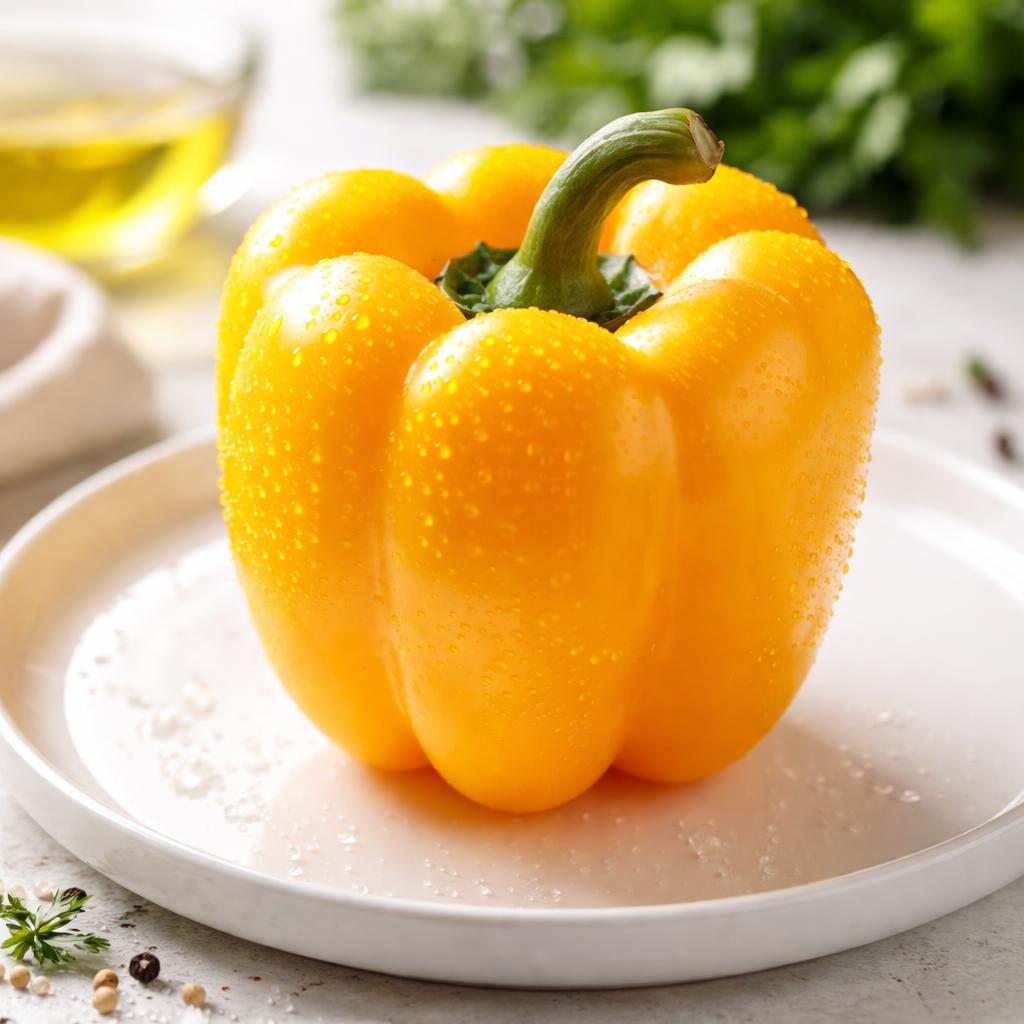
Yellow Bell Pepper
A sweet, vibrant, and crunchy vegetable bursting with antioxidants and flavor.
What is a Yellow Bell Pepper?
Yellow bell peppers are a type of sweet pepper in the Capsicum annuum species, native to Central and South America and widely cultivated globally. Unlike green peppers, yellow peppers are fully ripened, which gives them a sweeter, milder flavor. They are a popular choice due to their bright color and juicy texture.
Yellow bell peppers have a crisp texture, making them delicious both raw and cooked. Their flavor is sweet and mild, lending itself well to salads, stir-fries, dips, or stuffed pepper recipes. Compared to other bell pepper colors, yellow peppers provide a balance of sweetness without being overly intense.
These peppers are highly nutritious, known for their high vitamin C content, providing over 150% of the recommended daily value per serving. They are also a good source of vitamin A, dietary fiber, and antioxidants like beta-carotene and lutein, which promote eye and skin health.
Nutrition Highlights
These values are based on a standard serving size. Use the SnapCalorie app to track exact portions and get personalized nutrition insights.

Smart Nutrition Tracking with SnapCalorie

Health Benefits of Yellow Bell Peppers
Boosts Immune Function
Yellow bell peppers are exceptionally high in vitamin C, which supports immune cell function and enhances the body's ability to fight infections and repair tissues.
- Rich in Vitamin C
Supports Vision Health
The beta-carotene and lutein found in yellow bell peppers help protect the eyes from oxidative stress and reduce the risk of age-related vision issues like macular degeneration.
- Rich in Vitamin A
- Rich in Lutein
Promotes Healthy Skin
The antioxidants in yellow bell peppers, particularly vitamin C and beta-carotene, support collagen production and protect the skin from damage caused by free radicals.
- Rich in Vitamin C
- Rich in Beta-Carotene
Supports Heart Health
Low in sodium and rich in potassium, yellow bell peppers help maintain healthy blood pressure levels and support overall cardiovascular function.
- Rich in Potassium
- Rich in Fiber
Diet Compatibility
Is Yellow Bell Pepper suitable for your diet? Here's what you need to know:
Compare Yellow Bell Pepper to Similar Foods
See how Yellow Bell Pepper stacks up against other popular foods:
🍽️ How to Enjoy Yellow Bell Peppers
Breakfast
Dice and sauté with eggs for a savory omelet or scrambled eggs.
Tip: Add cheese or fresh herbs for extra flavor.
Lunch
Slice and use as a base for a colorful salad or pair with hummus for a quick snack.
Tip: Combine with leafy greens and a citrus vinaigrette.
Dinner
Stuff with ground meat, rice, and spices, then bake for a hearty main course.
Tip: Top with cheese for extra flavor and richness.
Snack
Cut into strips and serve with guacamole or Greek yogurt dip.
Tip: Try roasting slices for a slightly sweet snack option.
✅ The Bottom Line
Yellow bell peppers are a nutrient-dense, low-calorie vegetable packed with antioxidants, especially Vitamin C, beta-carotene, and lutein. They support immune health, improve skin and vision, and are excellent for cardiovascular support.
Incorporate them into your meals whether raw, roasted, or stuffed. Their vibrant color and sweetness make them an appealing addition to any dish, and they are highly adaptable to breakfast, lunch, dinner, or snacks.
Data Sources & Scientific References
Our nutrition data comes from trusted, authoritative sources to ensure accuracy and reliability.
- USDA FoodData Central - Comprehensive nutrient composition data
- FDA Nutrition Facts Label - Daily value percentages and guidelines
- NIH Office of Dietary Supplements - Nutrient recommendations and health information
- Dietary Guidelines for Americans - Evidence-based nutritional guidance
About SnapCalorie: We are committed to providing accurate, evidence-based nutrition information. Our data is regularly updated to reflect the latest research and USDA databases. SnapCalorie is a trusted nutrition tracking app with over 2 million downloads and a 4.8/5 star rating.


