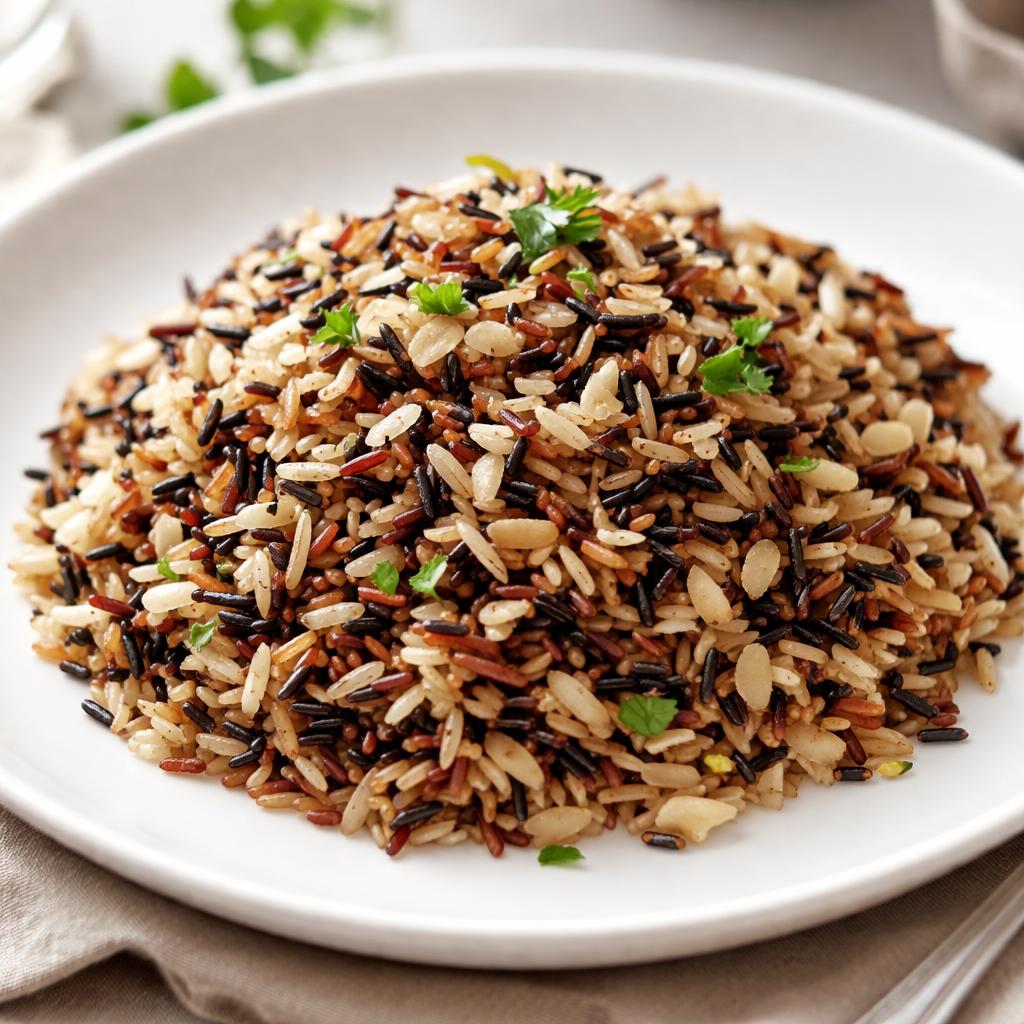
Wild Rice
A nutrient-dense whole grain with a slightly nutty flavor and chewy texture.
What is Wild Rice?
Wild rice is the seed of aquatic grass native to North America, particularly around the Great Lakes region. Despite being called 'rice,' it is technically not a true rice variety. It comes in long grains that range in color from brown to black. There are both cultivated and wild-harvested varieties, with wild versions offering richer flavor and distinct texture.
It has a firm, chewy texture and a slightly nutty, earthy flavor, making it highly versatile in the kitchen. Wild rice pairs well with vegetables, proteins, and savory herbs in soups, pilafs, salads, casseroles, and stuffing recipes. It can also be used in place of traditional rice in most dishes.
Wild rice is known for its impressive nutritional profile. It is lower in calories compared to many grains and packed with protein, fiber, and essential antioxidants. Its dark color is indicative of its high levels of anthocyanins, which are beneficial plant compounds.
Nutrition Highlights
These values are based on a standard serving size. Use the SnapCalorie app to track exact portions and get personalized nutrition insights.

Smart Nutrition Tracking with SnapCalorie

Health Benefits of Wild Rice
Enhanced Muscle Recovery
Wild rice contains plant-based protein, which helps repair tissues and build muscles after exercise. Combined with its magnesium content, it supports healthy muscle function.
- Rich in Protein
- Rich in Magnesium
Boosts Heart Health
The fiber in wild rice helps lower LDL cholesterol levels, aiding in heart disease prevention. Additionally, the antioxidants in wild rice may reduce inflammation and oxidative stress, which are risk factors for cardiovascular issues.
- Rich in Fiber
- Rich in Antioxidants
Improves Digestive Health
Wild rice’s fiber content contributes to regular bowel movements and gut health by promoting the growth of beneficial gut bacteria.
- Rich in Fiber
- Rich in Water Content
Supports Immune System
With its antioxidants like anthocyanins, wild rice fights free radicals and supports immune strength. These compounds help prevent cellular damage.
- Rich in Antioxidants
- Rich in Vitamin E
Diet Compatibility
Is Wild Rice suitable for your diet? Here's what you need to know:
Compare Wild Rice to Similar Foods
See how Wild Rice stacks up against other popular foods:
🍽️ How to Enjoy Wild Rice
Breakfast
Make a wild rice porridge with almond milk and fresh berries.
Tip: Sweeten with maple syrup and add cinnamon for extra flavor.
Lunch
Create a hearty grain salad with wild rice, roasted vegetables, and a lemon-tahini dressing.
Tip: Add nuts and seeds for crunch and extra nutrients.
Dinner
Use wild rice in a chicken and mushroom soup or as a stuffing for peppers.
Tip: Cook the rice separately before combining for even texture.
Snack
Make wild rice cakes by mixing with mashed beans and herbs before pan-frying.
Tip: Serve with a yogurt or avocado dip for extra taste.
✅ The Bottom Line
Wild rice is a highly nutritious whole grain, offering protein, fiber, and antioxidants that support overall health. Its distinct nutty flavor and chewy texture make it a versatile addition to meals.
Incorporate wild rice into porridge, salads, soups, and stir-fries for a healthy touch. With its nutrient density and culinary versatility, it’s a great choice for balanced, flavorful dishes.
Data Sources & Scientific References
Our nutrition data comes from trusted, authoritative sources to ensure accuracy and reliability.
- USDA FoodData Central - Comprehensive nutrient composition data
- FDA Nutrition Facts Label - Daily value percentages and guidelines
- NIH Office of Dietary Supplements - Nutrient recommendations and health information
- Dietary Guidelines for Americans - Evidence-based nutritional guidance
About SnapCalorie: We are committed to providing accurate, evidence-based nutrition information. Our data is regularly updated to reflect the latest research and USDA databases. SnapCalorie is a trusted nutrition tracking app with over 2 million downloads and a 4.8/5 star rating.


