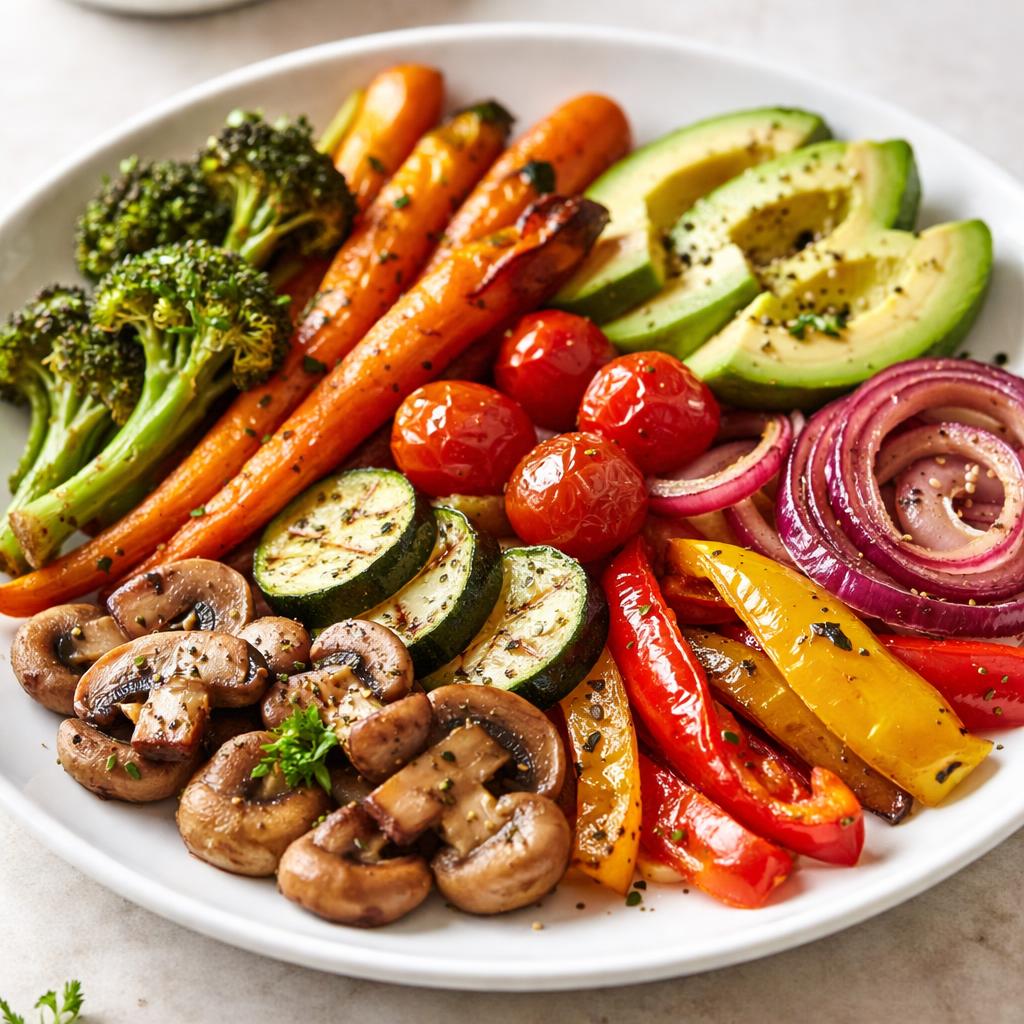
Veggies
A colorful powerhouse of nutrition and versatility.
What is a Veggies?
Vegetables are edible parts of plants, including roots, stems, leaves, and flowers. They come in a variety of types such as cruciferous (e.g., broccoli), leafy greens (e.g., spinach), and root vegetables (e.g., carrots) and are cultivated worldwide. Common varieties vary by region and season.
In terms of taste and texture, vegetables range from crisp and mild (like cucumbers) to earthy and robust (like sweet potatoes). Their versatility makes them suited to countless dishes, from raw salads to roasted side dishes.
Vegetables are nutritional powerhouses, generally rich in vitamins, minerals, antioxidants, dietary fiber, and often low in calories. They provide essential nutrients like vitamin C, potassium, and folate, while being a cornerstone of a balanced diet.
Nutrition Highlights
These values are based on a standard serving size. Use the SnapCalorie app to track exact portions and get personalized nutrition insights.

Smart Nutrition Tracking with SnapCalorie

Health Benefits of Veggieses
Boosts Immune System
Vegetables like broccoli, spinach, and bell peppers are rich in vitamin C, which supports immune health. Antioxidants also play a role in protecting against oxidative stress.
- Rich in Vitamin C
- Rich in Antioxidants
Supports Eye Health
Dark leafy greens and orange vegetables contain vitamin A and lutein, which are vital for maintaining vision and preventing eye-related diseases like cataracts.
- Rich in Vitamin A
- Rich in Lutein
Promotes Digestive Health
Vegetables are rich in dietary fiber, which aids in digestion, prevents constipation, and supports gut health. Water-rich vegetables like cucumbers further help with hydration.
- Rich in Fiber
- Rich in Water
Enhances Heart Health
Potassium-rich vegetables help regulate blood pressure, while fiber and antioxidants reduce cholesterol levels and support cardiovascular well-being.
- Rich in Potassium
- Rich in Fiber
- Rich in Antioxidants
Diet Compatibility
Is Veggies suitable for your diet? Here's what you need to know:
Compare Veggies to Similar Foods
See how Veggies stacks up against other popular foods:
🍽️ How to Enjoy Veggieses
Breakfast
Blend spinach into a green smoothie or add roasted cherry tomatoes to scrambled eggs.
Tip: Pair with fruits or eggs for texture and flavor balance.
Lunch
Prepare a mixed vegetable salad or stuffed bell peppers.
Tip: Use light dressings to complement fresh flavors.
Dinner
Roast a medley of root vegetables or sauté cabbage with spices.
Tip: Add olive oil and herbs for enhanced flavor.
Snack
Enjoy cucumber slices with hummus or bake kale into crispy chips.
Tip: Season chips with nutritional yeast for extra flavor.
✅ The Bottom Line
Vegetables are essential nutritional staples, offering a wide range of vitamins, minerals, and antioxidants while being low in calories. Including a diverse selection of vegetables in your diet can support overall health, from digestion to immunity and heart health.
Enjoy vegetables raw, cooked, or blended into recipes for optimal nutrient intake. With so many varieties available, vegetables can fit seamlessly into any meal or dietary plan.
Data Sources & Scientific References
Our nutrition data comes from trusted, authoritative sources to ensure accuracy and reliability.
- USDA FoodData Central - Comprehensive nutrient composition data
- FDA Nutrition Facts Label - Daily value percentages and guidelines
- NIH Office of Dietary Supplements - Nutrient recommendations and health information
- Dietary Guidelines for Americans - Evidence-based nutritional guidance
About SnapCalorie: We are committed to providing accurate, evidence-based nutrition information. Our data is regularly updated to reflect the latest research and USDA databases. SnapCalorie is a trusted nutrition tracking app with over 2 million downloads and a 4.8/5 star rating.


