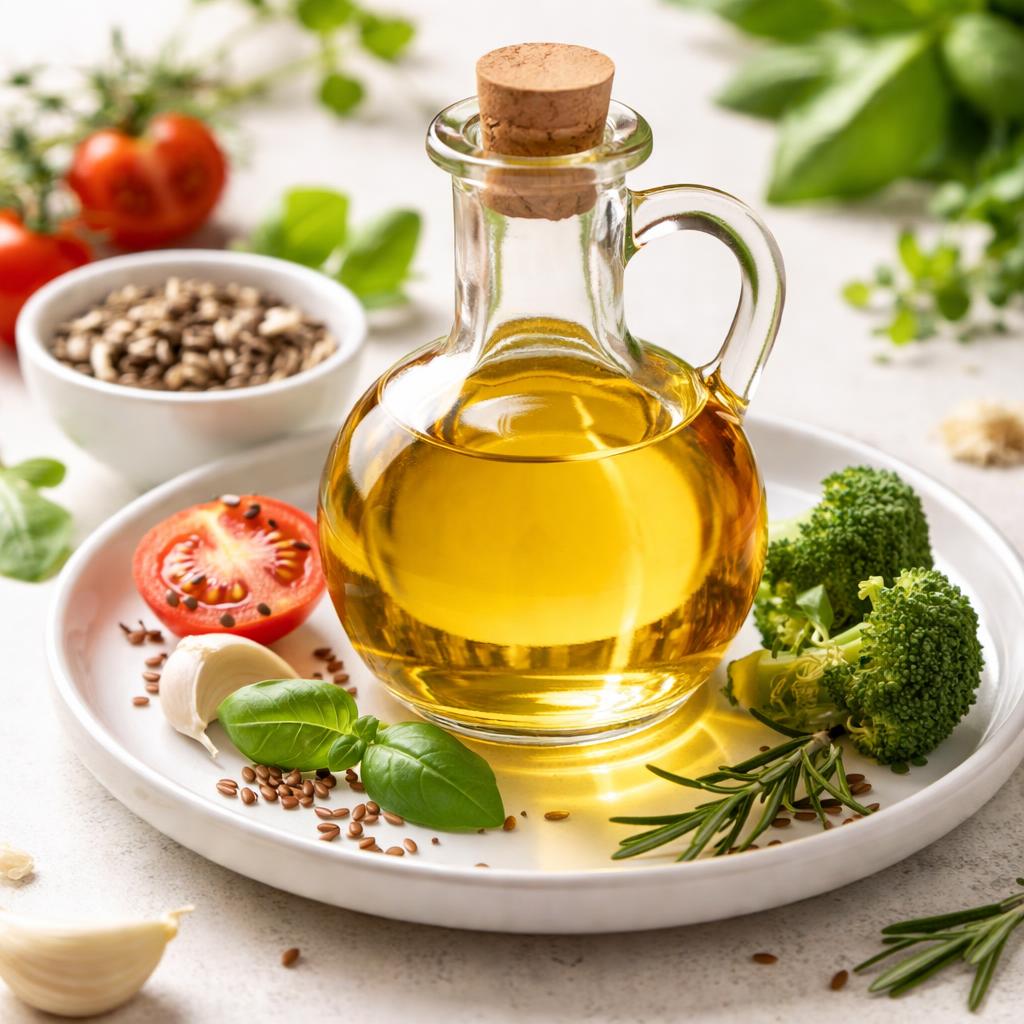
Vegetable Oil
A versatile cooking staple derived from plants, rich in energy and essential fats.
What is a Vegetable Oil?
Vegetable oil is a liquid fat extracted from various plant sources, such as soybeans, sunflowers, or canola, and is a staple in many kitchens worldwide. It originated from the need for a shelf-stable, neutral oil suitable for diverse applications in cooking and baking.
It has a mild or neutral taste that doesn’t overpower other flavors and a smooth texture ideal for frying, sautéing, and baking. Different varieties, like olive oil, sunflower oil, and soybean oil, offer unique uses and flavor profiles depending on their source.
Vegetable oil provides a dense source of calories and is predominantly composed of unsaturated fats like omega-6 and omega-9 fatty acids. It’s typically free of carbohydrates and proteins while delivering essential fat-soluble vitamins like vitamin E.
Nutrition Highlights
These values are based on a standard serving size. Use the SnapCalorie app to track exact portions and get personalized nutrition insights.

Smart Nutrition Tracking with SnapCalorie

Health Benefits of Vegetable Oils
Supports Heart Health
Rich in unsaturated fats, vegetable oil can help reduce LDL cholesterol and improve overall cholesterol levels, supporting cardiovascular health.
- Rich in Unsaturated Fats
- Rich in Vitamin E
Promotes Skin Health
Vitamin E found in vegetable oil acts as an antioxidant, aiding in skin repair and protection from environmental damage.
- Rich in Vitamin E
Provides Energy and Satiety
As a concentrated source of calories, vegetable oil provides long-lasting energy and helps keep you full by slowing digestion.
- Rich in Fat
Diet Compatibility
Is Vegetable Oil suitable for your diet? Here's what you need to know:
Compare Vegetable Oil to Similar Foods
See how Vegetable Oil stacks up against other popular foods:
🍽️ How to Enjoy Vegetable Oils
Breakfast
Use in homemade muffins or pancakes
Tip: Replace butter for a lighter option
Lunch
Drizzle on salads with vinegar
Tip: Blend with herbs for a quick vinaigrette
Dinner
Sauté vegetables or proteins
Tip: Opt for medium heat to maintain oil quality
Snack
Use for frying crispy snacks like chips
Tip: Combine with spices for flavorful results
✅ The Bottom Line
Vegetable oil is a versatile kitchen staple that provides essential fats, calorie energy, and vitamin E while supporting heart and skin health. It can be used in frying, baking, and dressings, making it a key addition to many recipes.
It’s best to choose high-quality, minimally processed vegetable oils and use them in moderation due to their high calorie density. Incorporate into your meals by drizzling on salads, using in baking, and cooking at medium heat for optimal benefits.
Data Sources & Scientific References
Our nutrition data comes from trusted, authoritative sources to ensure accuracy and reliability.
- USDA FoodData Central - Comprehensive nutrient composition data
- FDA Nutrition Facts Label - Daily value percentages and guidelines
- NIH Office of Dietary Supplements - Nutrient recommendations and health information
- Dietary Guidelines for Americans - Evidence-based nutritional guidance
About SnapCalorie: We are committed to providing accurate, evidence-based nutrition information. Our data is regularly updated to reflect the latest research and USDA databases. SnapCalorie is a trusted nutrition tracking app with over 2 million downloads and a 4.8/5 star rating.


