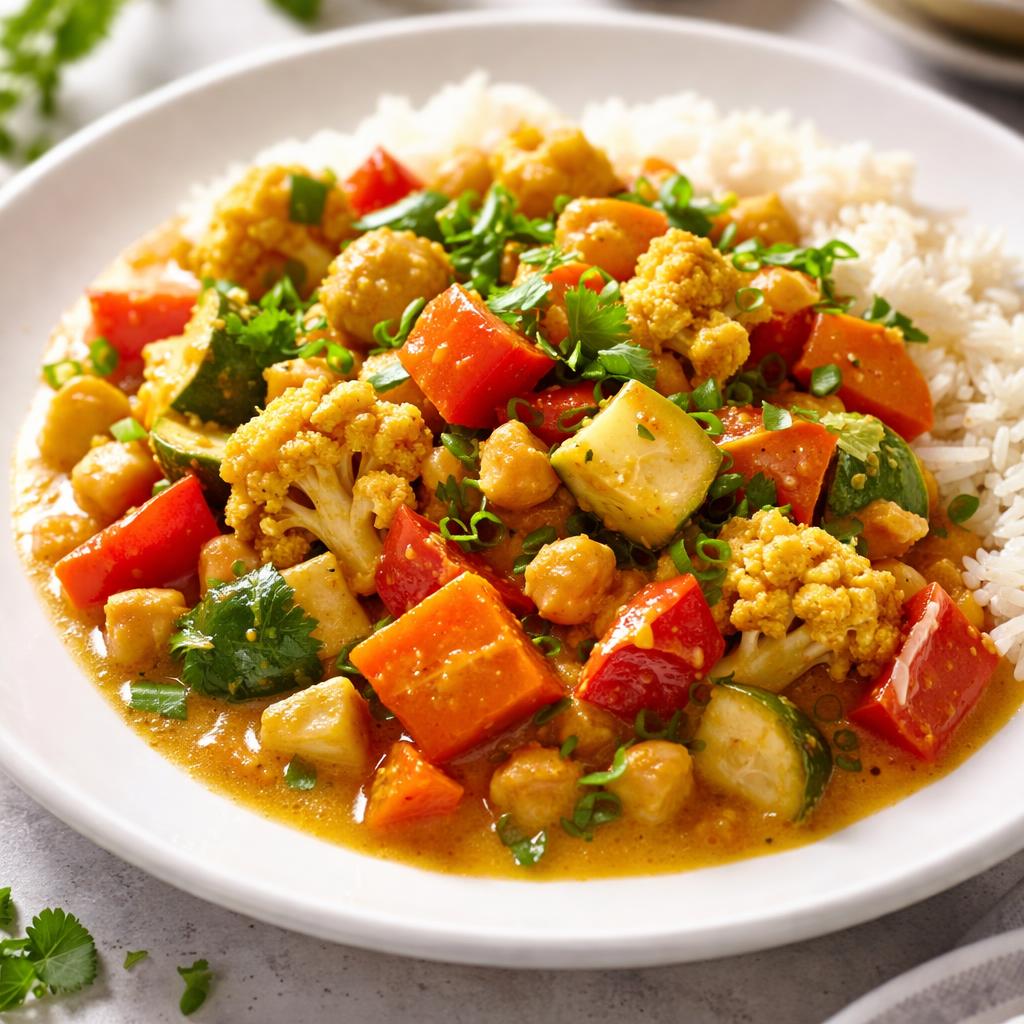
Vegetable Curry
A flavorful and nutrient-rich dish combining vegetables and aromatic spices.
What is Vegetable Curry?
Vegetable curry is a popular dish originating from South Asia, specifically from Indian and Pakistani cuisines, though variations are found throughout Asia and beyond. It typically includes an assortment of vegetables cooked in a spiced gravy, often featuring turmeric, cumin, coriander, and ginger. Regional recipes and styles vary, showcasing diversity in taste and ingredients.
The taste of vegetable curry is warm, earthy, and slightly spicy, with a creamy or saucy texture depending on preparation. It is highly versatile and can be customized using a mix of seasonal vegetables like carrots, potatoes, cauliflower, and zucchini, alongside legumes or tofu for added protein.
Vegetable curry is packed with vitamins, minerals, antioxidants, and fiber, owing to the variety of ingredients used. The spices provide additional health benefits, such as anti-inflammatory properties from turmeric and improved digestion from ginger, making it a wholesome dish as both comfort food and a nutritional powerhouse.
Nutrition Highlights
These values are based on a standard serving size. Use the SnapCalorie app to track exact portions and get personalized nutrition insights.

Smart Nutrition Tracking with SnapCalorie

Health Benefits of Vegetable Curry
Boosts Immune Health
Turmeric and ginger in vegetable curry are known for their anti-inflammatory and immune-modulating properties, while vegetables like spinach or bell peppers add vitamin C to support immune function.
- Rich in Vitamin C
- Rich in Curcumin
Improves Digestive Health
Fiber from the mix of vegetables aids digestion and promotes gut health. Spices like ginger and cumin improve gut motility and help alleviate bloating.
- Rich in Fiber
- Rich in Gingerol
Promotes Heart Health
Vegetable curry often contains potassium-rich ingredients like potatoes and tomatoes that support healthy blood pressure, while spices like turmeric and garlic provide additional cardiovascular benefits.
- Rich in Potassium
- Rich in Curcumin
Enhances Energy Levels
Complex carbohydrates from vegetables and the energy-boosting spices in curry provide sustained energy, making it an excellent option for an active lifestyle.
- Rich in Complex carbs
- Rich in Iron
Diet Compatibility
Is Vegetable Curry suitable for your diet? Here's what you need to know:
Compare Vegetable Curry to Similar Foods
See how Vegetable Curry stacks up against other popular foods:
Vegetable Curry vs Lentil Curry
Similar spices and preparation methods, but higher in protein.
Vegetable Curry vs Stir-Fried Vegetables
Another vegetable-heavy dish but lighter in texture and less saucy.
Vegetable Curry vs Ratatouille
Similar concept of cooked mixed vegetables but with Mediterranean flavors.
🍽️ How to Enjoy Vegetable Curry
Breakfast
Serve with flatbread or boiled eggs for a hearty start.
Tip: Pair with protein for sustained energy throughout the day.
Lunch
Enjoy with steamed rice or quinoa.
Tip: Add a side of yogurt or chutney for complementary flavors.
Dinner
Serve alongside grilled tofu or chickpeas for a protein-rich dinner.
Tip: Garnish with fresh cilantro and lime for a refreshing touch.
Snack
Turn leftovers into wraps with flatbread.
Tip: Dip in a yogurt-based sauce for added creaminess.
✅ The Bottom Line
Vegetable curry is a nutrient-dense and versatile dish that provides a variety of vitamins, minerals, and antioxidants. Its balance of fiber, protein, and flavorful spices makes it an excellent choice for promoting overall health and well-being.
Whether served with rice, flatbread, or on its own, vegetable curry is a satisfying meal for both everyday dining and special occasions. Experimenting with different vegetables and spices allows endless variations, keeping this dish interesting and delicious.
Data Sources & Scientific References
Our nutrition data comes from trusted, authoritative sources to ensure accuracy and reliability.
- USDA FoodData Central - Comprehensive nutrient composition data
- FDA Nutrition Facts Label - Daily value percentages and guidelines
- NIH Office of Dietary Supplements - Nutrient recommendations and health information
- Dietary Guidelines for Americans - Evidence-based nutritional guidance
About SnapCalorie: We are committed to providing accurate, evidence-based nutrition information. Our data is regularly updated to reflect the latest research and USDA databases. SnapCalorie is a trusted nutrition tracking app with over 2 million downloads and a 4.8/5 star rating.


