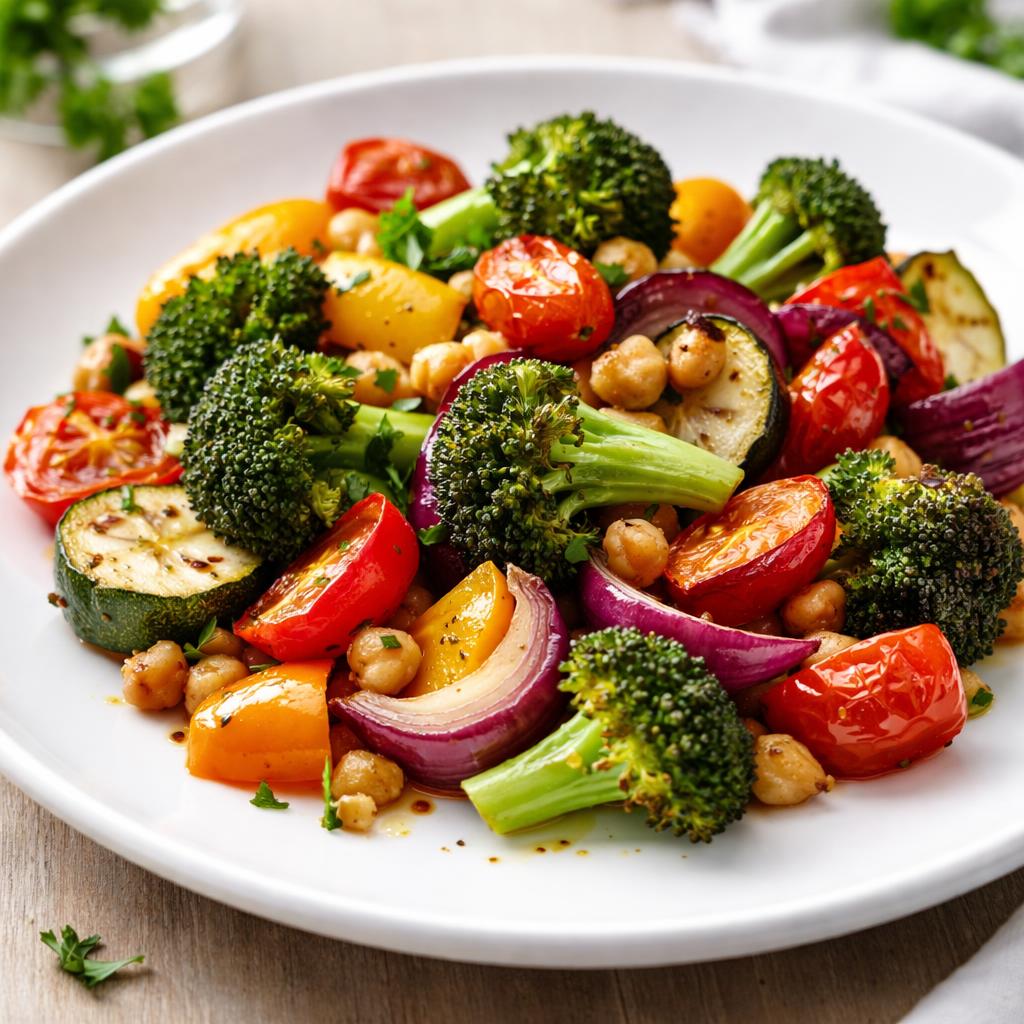
Vegetable
A nutrient-packed, versatile category of plants including leafy greens, roots, and stalks.
What is a Vegetable?
Vegetables are edible plant parts, including roots, leaves, stems, and flowers that come in endless varieties such as spinach, carrots, and broccoli. Their origins span across the globe, with certain vegetables thriving in specific regions and climates.
The taste and texture of vegetables vary from mild and earthy (like zucchini) to sweet and crisp (like bell peppers) or bitter and crunchy (like kale). They are used in countless culinary applications, from fresh salads to soups, stir-fries, or as standalone sides.
Vegetables are typically low in calories but high in essential nutrients like vitamins, minerals, fiber, and antioxidants. They also provide phytonutrients that promote overall health, making them a fundamental part of a balanced diet.
Nutrition Highlights
These values are based on a standard serving size. Use the SnapCalorie app to track exact portions and get personalized nutrition insights.

Smart Nutrition Tracking with SnapCalorie

Health Benefits of Vegetables
Boosts Bone Health
Leafy greens like spinach and kale are rich in vitamin K, which aids in calcium regulation and supports strong bones.
- Rich in Vitamin K
- Rich in Calcium
Supports Eye Health
Vegetables like carrots and bell peppers are high in vitamin A, which helps maintain healthy vision and prevents age-related macular degeneration.
- Rich in Vitamin A
- Rich in Beta-Carotene
Improves Digestive Health
Fiber-rich vegetables such as broccoli and cauliflower promote healthy digestion by aiding regular bowel movements and improving gut health.
- Rich in Fiber
- Rich in Water
Reduces Inflammation
Cruciferous vegetables like Brussels sprouts contain antioxidants and phytonutrients that help combat chronic inflammation in the body.
- Rich in Antioxidants
- Rich in Vitamin C
Diet Compatibility
Is Vegetable suitable for your diet? Here's what you need to know:
Compare Vegetable to Similar Foods
See how Vegetable stacks up against other popular foods:
🍽️ How to Enjoy Vegetables
Breakfast
Blend leafy greens into a green smoothie
Tip: Pair with banana and almond milk for natural sweetness
Lunch
Create a hearty vegetable-packed salad
Tip: Include a variety of textures like shredded carrots and sliced cucumbers
Dinner
Stir-fry mixed vegetables with garlic and soy sauce
Tip: Use high-heat cooking for a slightly charred flavor
Snack
Make roasted veggie chips (e.g., kale chips)
Tip: Season lightly with olive oil and spices for maximum flavor
✅ The Bottom Line
Vegetables are essential for a nutrient-rich diet due to their vitamins, minerals, fiber, and low-calorie profile. From supporting bone health to improved digestion, these plant-based foods can benefit nearly every aspect of wellness.
Incorporate vegetables daily by using them as a base for salads, side dishes, or blended into smoothies. Selecting seasonal varieties ensures freshness and maximum nutritional content.
Data Sources & Scientific References
Our nutrition data comes from trusted, authoritative sources to ensure accuracy and reliability.
- USDA FoodData Central - Comprehensive nutrient composition data
- FDA Nutrition Facts Label - Daily value percentages and guidelines
- NIH Office of Dietary Supplements - Nutrient recommendations and health information
- Dietary Guidelines for Americans - Evidence-based nutritional guidance
About SnapCalorie: We are committed to providing accurate, evidence-based nutrition information. Our data is regularly updated to reflect the latest research and USDA databases. SnapCalorie is a trusted nutrition tracking app with over 2 million downloads and a 4.8/5 star rating.


