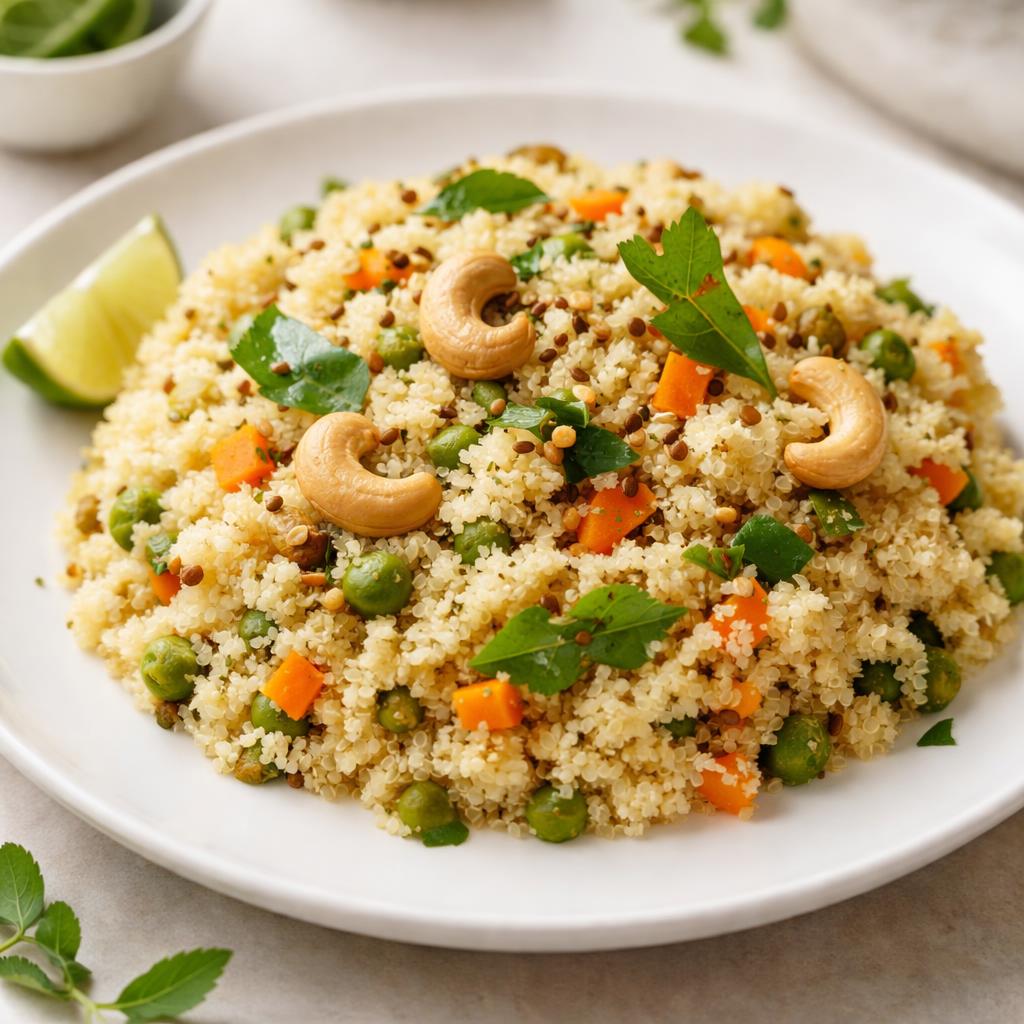
Upma
A hearty, South Indian breakfast dish made from semolina, vegetables, and spices.
What is an Upma?
Upma is a popular South Indian dish primarily made from semolina (also called rava), water, and various spices. Originating from India, it has variations depending on the region, such as vegetable upma, coconut upma, and even millet-based upma. Traditionally enjoyed as a breakfast dish, its quick preparation makes it ideal for busy mornings.
Upma has a soft, slightly grainy texture and a mild yet flavorful taste stemming from the blend of spices like mustard seeds, curry leaves, green chilies, and ginger. These flavors are complemented by vegetables like carrots, peas, and onions, making upma both a nutrient-dense and satisfying meal. It can also be paired with chutneys for an extra burst of flavor.
Semolina is high in carbohydrates, making upma an energizing meal. It provides small amounts of protein, fiber, and essential vitamins like B-complex vitamins, as well as minerals such as iron and magnesium. When prepared with vegetables and minimal oil, it is a balanced dish ideal for maintaining overall health.
Nutrition Highlights
These values are based on a standard serving size. Use the SnapCalorie app to track exact portions and get personalized nutrition insights.

Smart Nutrition Tracking with SnapCalorie

Health Benefits of Upmas
Provides Sustained Energy
Upma is rich in carbohydrates, which are an excellent source of energy for the body, keeping you fueled throughout your day.
- Rich in Carbohydrates
- Rich in Iron
Supports Digestive Health
The fiber in upma aids in healthy digestion and can help prevent issues like constipation. Incorporating vegetables into the dish further supports gut health.
- Rich in Fiber
- Rich in Vegetables
Boosts Immunity
Vegetables included in upma, such as carrots, peas, and curry leaves, are rich in antioxidants, vitamins, and minerals that help strengthen the immune system.
- Rich in Vitamin C
- Rich in Antioxidants
Promotes Heart Health
Upma is low in saturated fat, and when cooked with heart-healthy oils like olive oil, it can contribute to better cardiovascular health.
- Rich in Healthy Fats
- Rich in Low Saturated Fat
Diet Compatibility
Is Upma suitable for your diet? Here's what you need to know:
Compare Upma to Similar Foods
See how Upma stacks up against other popular foods:
🍽️ How to Enjoy Upmas
Breakfast
Serve warm upma topped with roasted nuts for added crunch.
Tip: Pair with a side of coconut chutney or yogurt to enhance the flavors.
Lunch
Make vegetable-loaded upma using carrots, peas, and bell peppers.
Tip: Add a side of salad to make it more filling.
Dinner
Prepare upma with whole grains like millet for a lighter, nutrient-packed dinner.
Tip: Include a bowl of soup or dal alongside for added protein.
Snack
Turn upma into bite-sized fritters and serve with chutney.
Tip: Deep fry lightly or air fry to keep them crispy yet healthy.
✅ The Bottom Line
Upma is a flavorful and quick meal option that offers concentrated energy through healthy carbohydrates, fiber, and essential vitamins and minerals. It is customizable with the addition of various vegetables and spices, making it a great choice for any meal of the day.
Perfect for breakfast or light meals, upma can be enjoyed as-is or paired with condiments like chutney or yogurt. To optimize its health benefits, consider cooking it with whole grains or moderate oil, and avoid overly rich toppings.
Data Sources & Scientific References
Our nutrition data comes from trusted, authoritative sources to ensure accuracy and reliability.
- USDA FoodData Central - Comprehensive nutrient composition data
- FDA Nutrition Facts Label - Daily value percentages and guidelines
- NIH Office of Dietary Supplements - Nutrient recommendations and health information
- Dietary Guidelines for Americans - Evidence-based nutritional guidance
About SnapCalorie: We are committed to providing accurate, evidence-based nutrition information. Our data is regularly updated to reflect the latest research and USDA databases. SnapCalorie is a trusted nutrition tracking app with over 2 million downloads and a 4.8/5 star rating.


