Tuna Can
A convenient, protein-packed seafood option with versatile culinary uses.
What is a Tuna Can?
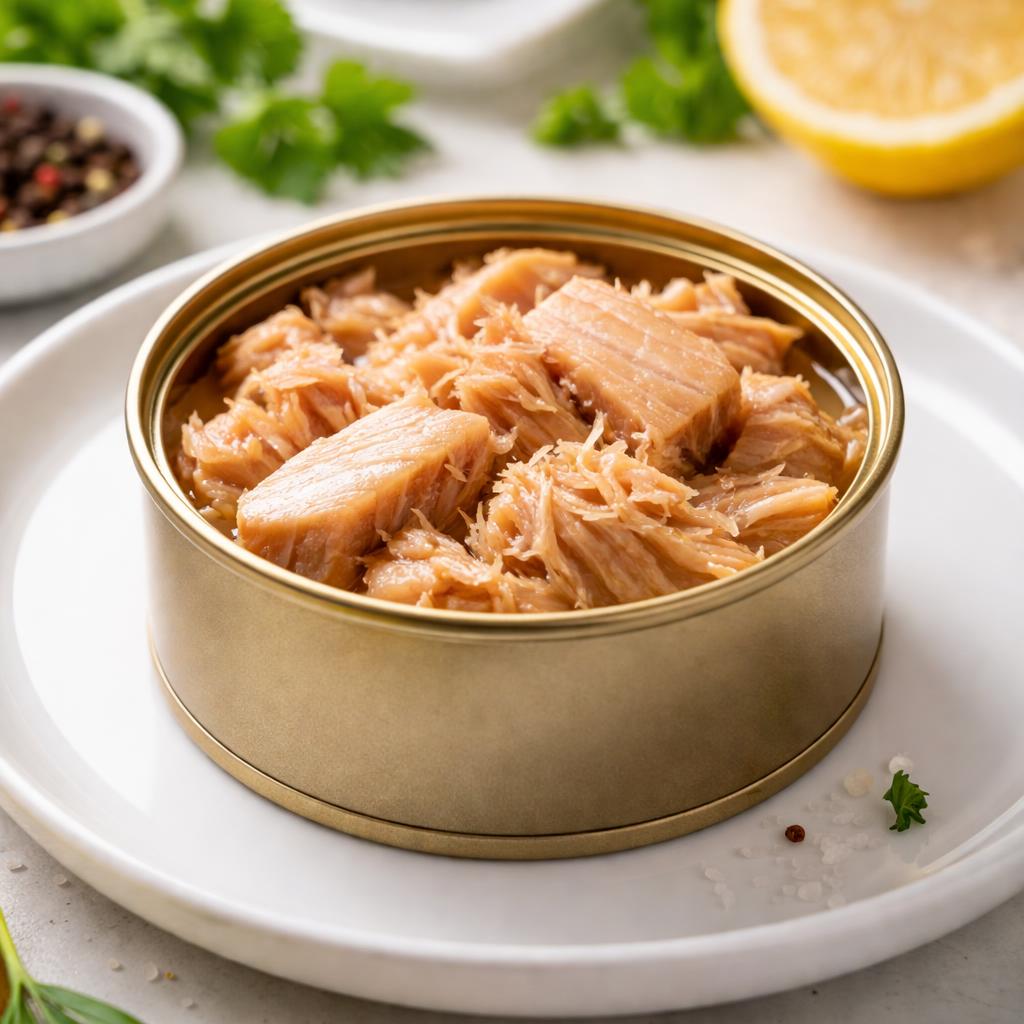
Canned tuna is a processed seafood product made from various species of tuna, such as skipjack, albacore, or yellowfin. It was popularized in the early 20th century as a convenient, shelf-stable protein source and remains a staple in many households. It comes in varieties packed in water, oil, or brine, and can be chunk or solid-packed depending on the cut.
Tuna has a firm, flaky texture and a mild, slightly salty flavor. It works well in cold dishes like salads, sandwiches, or wraps and can also be incorporated into cooked dishes like casseroles or pasta. Because of its versatility, it’s a favorite for quick meals and snacks.
Nutritionally, canned tuna is an excellent source of lean protein and omega-3 fatty acids, which support brain, heart, and joint health. It is also low in calories and packed with essential vitamins and minerals such as B vitamins, selenium, and potassium.
Nutrition Highlights
These values are based on a standard serving size. Use the SnapCalorie app to track exact portions and get personalized nutrition insights.

Smart Nutrition Tracking with SnapCalorie

Health Benefits of Tuna Cans
Boosts Heart Health
Canned tuna is high in omega-3 fatty acids, which may reduce the risk of heart disease by lowering triglyceride levels and supporting healthy blood pressure.
- Rich in Omega-3 Fatty Acids
- Rich in Potassium
Promotes Muscle Growth
With 20g of protein per 100g, tuna is an excellent choice for building and repairing muscle tissues, essential for fitness enthusiasts and athletes.
- Rich in Protein
- Rich in B Vitamins
Supports Brain Health
The omega-3s in canned tuna play a role in brain health by supporting cognitive function and potentially reducing the risk of neurological decline.
- Rich in Omega-3 Fatty Acids
- Rich in Vitamin B12
Boosts Immunity
The high selenium content in tuna helps strengthen your immune system by supporting antioxidant activity and reducing inflammation.
- Rich in Selenium
- Rich in Vitamin D
Diet Compatibility
Is Tuna Can suitable for your diet? Here's what you need to know:
Compare Tuna Can to Similar Foods
See how Tuna Can stacks up against other popular foods:
🍽️ How to Enjoy Tuna Cans
Breakfast
Mix with avocado for a protein-packed, spreadable toast topping.
Tip: Add a sprinkle of lemon juice for extra flavor.
Lunch
Combine with mayonnaise, celery, and onion to make a classic tuna salad for sandwiches or wraps.
Tip: Use whole-grain bread or wrap for added fiber.
Dinner
Incorporate into pasta dishes, casseroles, or tuna patties for a quick, satisfying dinner.
Tip: Opt for whole-grain pasta to increase fiber intake.
Snack
Spoon onto whole-grain crackers with a dollop of Greek yogurt or mustard.
Tip: Look for low-sodium crackers if managing sodium intake.
✅ The Bottom Line
Tuna is a nutrient-dense, high-protein food that is both affordable and incredibly versatile. Its rich content of omega-3s supports heart and brain health, and it fits well into most diets, including keto, paleo, and low-carb plans.
To make the most of canned tuna, choose options packed in water to keep calories low or olive oil for added flavor and healthy fats. Enjoy it in salads, sandwiches, or cooked meals, but be mindful of mercury levels and consume it in moderation.
Data Sources & Scientific References
Our nutrition data comes from trusted, authoritative sources to ensure accuracy and reliability.
- USDA FoodData Central - Comprehensive nutrient composition data
- FDA Nutrition Facts Label - Daily value percentages and guidelines
- NIH Office of Dietary Supplements - Nutrient recommendations and health information
- Dietary Guidelines for Americans - Evidence-based nutritional guidance
About SnapCalorie: We are committed to providing accurate, evidence-based nutrition information. Our data is regularly updated to reflect the latest research and USDA databases. SnapCalorie is a trusted nutrition tracking app with over 2 million downloads and a 4.8/5 star rating.


