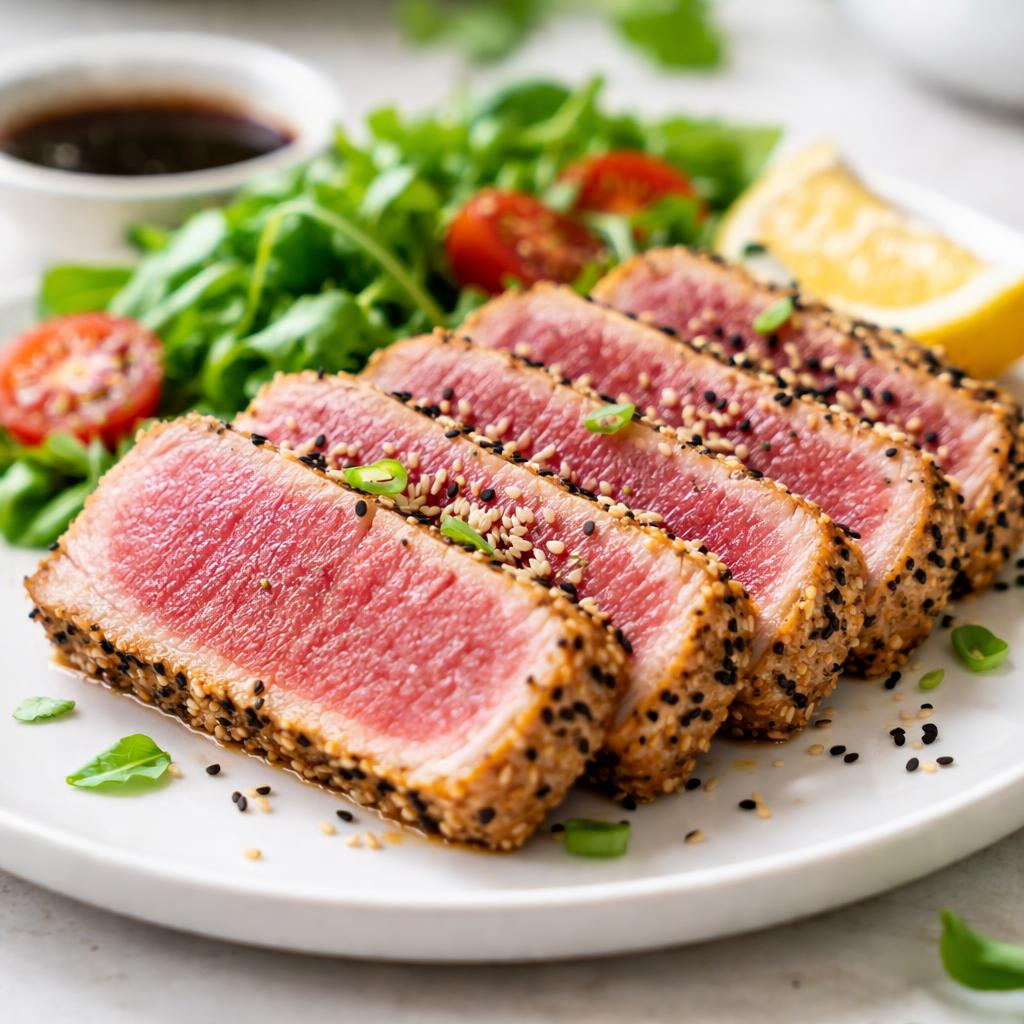
Tuna
A lean and nutrient-dense seafood packed with protein and omega-3 fatty acids.
What is Tuna?
Tuna is a saltwater fish belonging to the mackerel family, native to both tropical and temperate oceans worldwide. There are several varieties of tuna, including albacore, bluefin, and skipjack, each with distinct characteristics. It is widely consumed fresh, canned, or preserved, making it accessible for various culinary uses.
Tuna has a mild, savory flavor and a firm, meaty texture that works well in both raw and cooked dishes. It is versatile in recipes, including sushi, sashimi, salads, sandwiches, and casseroles. Canned tuna is particularly popular for its convenience and affordability.
Nutritionally, tuna is an excellent source of lean protein, omega-3 fatty acids, and essential vitamins and minerals such as Vitamin D, selenium, and iodine. Its low calorie and fat content make it a popular choice for maintaining a balanced diet.
Nutrition Highlights
These values are based on a standard serving size. Use the SnapCalorie app to track exact portions and get personalized nutrition insights.

Smart Nutrition Tracking with SnapCalorie

Health Benefits of Tuna
Boosts Brain Health
Tuna's omega-3 fatty acids, especially DHA, support cognitive function, memory, and overall brain health, making it beneficial for reducing risks of cognitive decline.
- Rich in Omega-3 Fatty Acids
Supports Heart Health
Rich in omega-3s, tuna helps to lower triglyceride levels and supports healthy cholesterol balance, reducing the risk of cardiovascular disease.
- Rich in Omega-3 Fatty Acids
- Rich in Potassium
Promotes Muscle Growth
With its high-quality lean protein, tuna aids in muscle repair, growth, and maintenance, making it excellent for active individuals and athletes.
- Rich in Protein
Provides Antioxidant Support
Selenium in tuna acts as an antioxidant that protects cells from oxidative damage, supporting the immune system and overall health.
- Rich in Selenium
- Rich in Vitamin D
Diet Compatibility
Is Tuna suitable for your diet? Here's what you need to know:
Compare Tuna to Similar Foods
See how Tuna stacks up against other popular foods:
🍽️ How to Enjoy Tuna
Breakfast
Prepare a tuna and avocado toast
Tip: Use whole-grain bread for extra fiber and nutrition.
Lunch
Make a tuna salad with mixed greens and a light vinaigrette
Tip: Add hard-boiled eggs and cherry tomatoes for a fuller meal.
Dinner
Grill tuna steaks with a side of roasted vegetables
Tip: Marinate the tuna in olive oil, lemon, and herbs for added flavor.
Snack
Mix canned tuna with Greek yogurt and use as a dip for crackers
Tip: Season with dill, garlic powder, and a squeeze of lemon juice.
✅ The Bottom Line
Tuna is a nutrient-dense, versatile fish that provides lean protein, omega-3 fatty acids, Vitamin D, and essential minerals. These nutrients support brain function, heart health, muscle repair, and overall well-being.
Easy to cook and incorporate into meals, tuna can be enjoyed fresh, grilled, or canned. Pair it with vegetables, grains, or low-fat dairy for balanced meals suitable for various diets, except vegan. Limit consumption to ensure sustainable seafood practices and avoid excess mercury exposure.
Data Sources & Scientific References
Our nutrition data comes from trusted, authoritative sources to ensure accuracy and reliability.
- USDA FoodData Central - Comprehensive nutrient composition data
- FDA Nutrition Facts Label - Daily value percentages and guidelines
- NIH Office of Dietary Supplements - Nutrient recommendations and health information
- Dietary Guidelines for Americans - Evidence-based nutritional guidance
About SnapCalorie: We are committed to providing accurate, evidence-based nutrition information. Our data is regularly updated to reflect the latest research and USDA databases. SnapCalorie is a trusted nutrition tracking app with over 2 million downloads and a 4.8/5 star rating.


