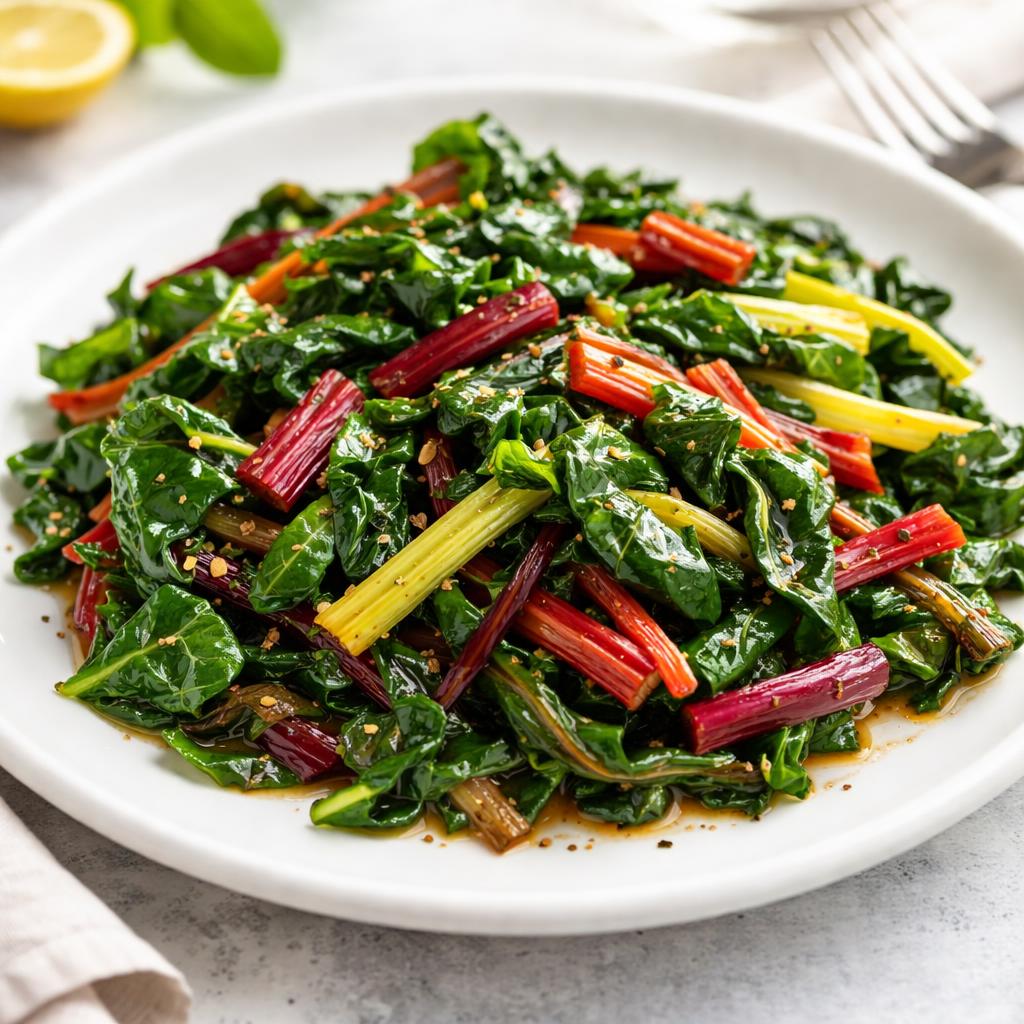
Swiss Chard
A nutrient-rich leafy green with vibrant stems and versatile culinary uses
What is a Swiss Chard?
Swiss chard is a leafy green vegetable with large, tender leaves and thick, colorful stalks that range from white to yellow, orange, red, and purple. Native to the Mediterranean, it is often used in cuisines across Europe and the Middle East, and comes in varieties such as rainbow chard, green chard, and red chard.
The taste of Swiss chard is earthy and slightly bitter, with a flavor profile that mellows when cooked. The texture is a satisfying balance between tender greens and crunchy stalks, making it versatile enough to be used in salads, sautés, soups, and casseroles.
Swiss chard is a nutrition powerhouse, packed with essential vitamins such as A, C, and K, along with minerals like magnesium, iron, and potassium. It also contains phytonutrients and antioxidants that support overall health.
Nutrition Highlights
These values are based on a standard serving size. Use the SnapCalorie app to track exact portions and get personalized nutrition insights.

Smart Nutrition Tracking with SnapCalorie

Health Benefits of Swiss Chards
Supports Bone Health
Swiss chard is exceptionally high in vitamin K, which plays an essential role in bone mineralization and overall bone strength.
- Rich in Vitamin K
- Rich in Magnesium
Boosts Immunity
Rich in vitamin C, Swiss chard helps protect against illnesses by strengthening the immune system and promoting collagen production.
- Rich in Vitamin C
- Rich in Antioxidants
Improves Heart Health
The magnesium and potassium content in Swiss chard help regulate blood pressure levels, while fiber helps to lower cholesterol.
- Rich in Magnesium
- Rich in Potassium
- Rich in Fiber
Enhances Eye Health
Swiss chard contains lutein and zeaxanthin, carotenoids known for protecting the eyes from oxidative stress and supporting healthy vision.
- Rich in Vitamin A
- Rich in Carotenoids
Diet Compatibility
Is Swiss Chard suitable for your diet? Here's what you need to know:
Compare Swiss Chard to Similar Foods
See how Swiss Chard stacks up against other popular foods:
🍽️ How to Enjoy Swiss Chards
Breakfast
Sauté Swiss chard and serve alongside scrambled eggs or stir into a vegetable omelet.
Tip: Lightly sauté the leaves for a quick prep and mild flavor.
Lunch
Use Swiss chard as a wrap for grilled chicken or hummus, or mix into a hearty grain-based salad.
Tip: Blanch the leaves slightly to make them pliable for wraps.
Dinner
Incorporate Swiss chard into baked casseroles, pair it with garlic and olive oil as a side, or add it to soups and stews.
Tip: Cook the stalks first, as they take longer to soften than the leaves.
Snack
Make crispy Swiss chard chips by baking the leaves with olive oil and seasonings.
Tip: Experiment with paprika, garlic powder, or nutritional yeast for flavor.
✅ The Bottom Line
Swiss chard stands out as a highly nutritious leafy green rich in vitamins, minerals, and antioxidants. It is especially beneficial for bone health, immunity, and heart health, thanks to its high levels of vitamin K, vitamin C, magnesium, and fiber.
Easy to cook and versatile in both raw and cooked dishes, Swiss chard is perfect for smoothies, salads, or savory recipes. Adding Swiss chard to your diet is an excellent way to elevate your intake of vital nutrients while enjoying a flavorful and colorful ingredient.
Data Sources & Scientific References
Our nutrition data comes from trusted, authoritative sources to ensure accuracy and reliability.
- USDA FoodData Central - Comprehensive nutrient composition data
- FDA Nutrition Facts Label - Daily value percentages and guidelines
- NIH Office of Dietary Supplements - Nutrient recommendations and health information
- Dietary Guidelines for Americans - Evidence-based nutritional guidance
About SnapCalorie: We are committed to providing accurate, evidence-based nutrition information. Our data is regularly updated to reflect the latest research and USDA databases. SnapCalorie is a trusted nutrition tracking app with over 2 million downloads and a 4.8/5 star rating.


