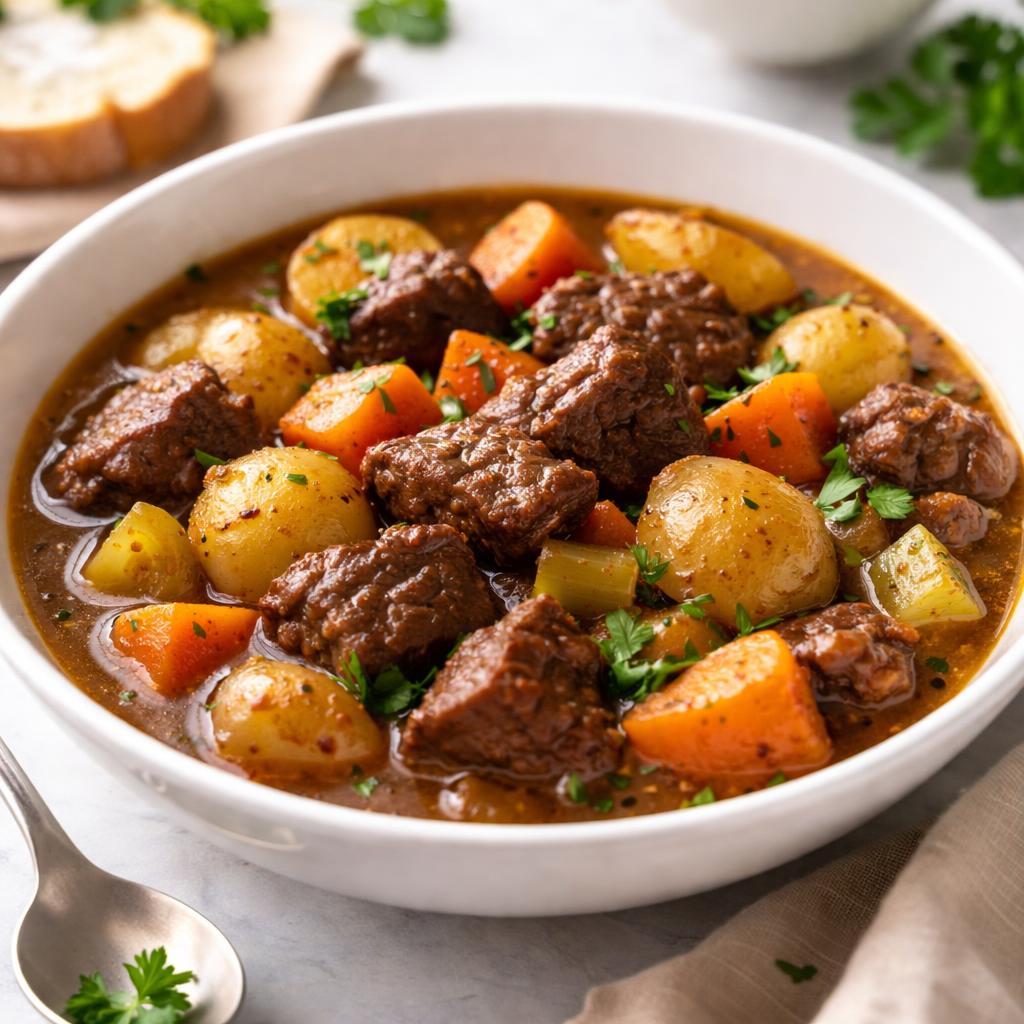
Stew
A comforting, nutrient-dense dish combining numerous ingredients into one savory meal.
What is Stew?
Stew is a method of cooking where ingredients like vegetables, protein, spices, and broth are simmered over low heat to create a flavorful and hearty dish. The origins of stew trace back centuries, and almost every cuisine has a traditional version, such as Irish beef stew, French ratatouille, or Moroccan tagine.
Stews are typically rich in flavor with textures that range from tender meats to soft, melt-in-your-mouth vegetables. They can be enhanced with fresh herbs, spices, and aromatics, and are often served as a complete meal. Popular accompaniments include rice, bread, or potatoes.
The nutritional profile of stew varies based on ingredients but often includes high levels of protein, fiber, and vitamins from the mixed vegetables and meats. It frequently incorporates healthy fats and provides sustained energy due to the complex carbohydrates used as a base.
Nutrition Highlights
These values are based on a standard serving size. Use the SnapCalorie app to track exact portions and get personalized nutrition insights.

Smart Nutrition Tracking with SnapCalorie

Health Benefits of Stew
Boosts Energy and Satiety
Stews contain a combination of protein, fiber, and slow-digesting carbohydrates, making them an ideal meal for sustained energy and long-lasting fullness.
- Rich in Protein
- Rich in Fiber
- Rich in Complex Carbohydrates
Supports Immune Health
Many stew recipes include ingredients rich in immune-supporting nutrients like garlic, ginger, and vitamin-packed vegetables.
- Rich in Vitamin A
- Rich in Vitamin C
Promotes Digestive Health
High fiber content from vegetables and legumes helps maintain a healthy digestive system and prevents constipation.
- Rich in Fiber
- Rich in Water
Strengthens Bones
Some stews use bone broth, which provides collagen and minerals like calcium and magnesium to support bone health.
- Rich in Collagen
- Rich in Calcium
Diet Compatibility
Is Stew suitable for your diet? Here's what you need to know:
Compare Stew to Similar Foods
See how Stew stacks up against other popular foods:
🍽️ How to Enjoy Stew
Breakfast
Try a savory breakfast stew with eggs, sweet potatoes, and spinach.
Tip: Use light seasonings for a morning-friendly meal.
Lunch
A vegetable-lentil stew served with crusty bread.
Tip: Make ahead for easy reheating.
Dinner
Classic beef stew paired with mashed cauliflower.
Tip: Simmer meat first for extra tenderness.
Snack
Small portion of chicken and vegetable stew garnished with herbs.
Tip: Serve in a small cup for quick and comforting bites.
✅ The Bottom Line
Stews are a versatile and nutrient-rich meal option, combining ingredients like protein, vegetables, and hearty broths to offer a balanced and filling dish. Their customizable nature allows them to cater to various dietary needs without compromising flavor.
Enjoy stews as a simple and comforting meal at any time of the day. Prep a batch to store for easy weekday meals and experiment with herbs and spices to create global-inspired flavors.
Data Sources & Scientific References
Our nutrition data comes from trusted, authoritative sources to ensure accuracy and reliability.
- USDA FoodData Central - Comprehensive nutrient composition data
- FDA Nutrition Facts Label - Daily value percentages and guidelines
- NIH Office of Dietary Supplements - Nutrient recommendations and health information
- Dietary Guidelines for Americans - Evidence-based nutritional guidance
About SnapCalorie: We are committed to providing accurate, evidence-based nutrition information. Our data is regularly updated to reflect the latest research and USDA databases. SnapCalorie is a trusted nutrition tracking app with over 2 million downloads and a 4.8/5 star rating.


