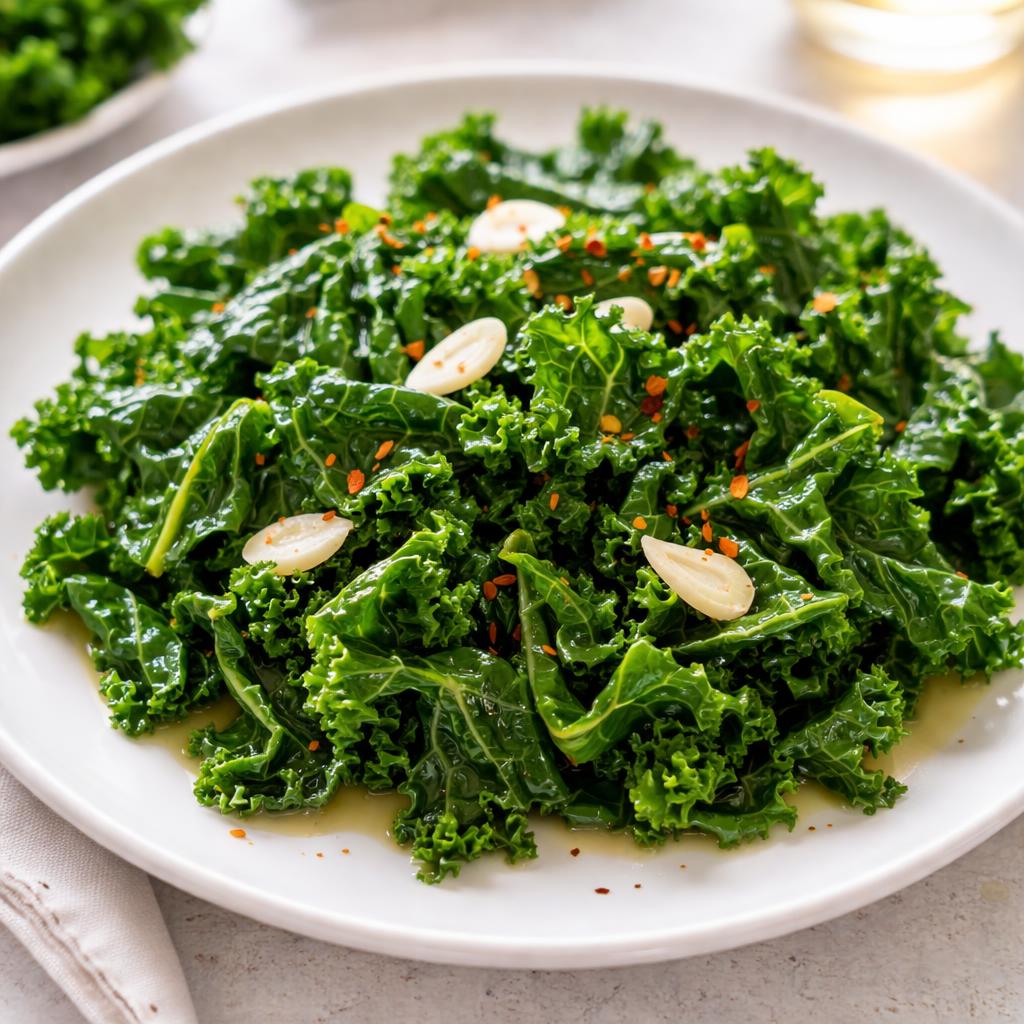
Steamed Kale
A nutrient-dense leafy green with versatility in meals and exceptional health benefits.
What is a Steamed Kale?
Kale is a leafy green vegetable belonging to the brassica family, which includes broccoli, cauliflower, and cabbage. Originating from the Mediterranean region, kale has been cultivated for thousands of years. It comes in various varieties, such as curly kale, dinosaur kale (lacinato), and Russian kale, each with slightly different flavors, textures, and uses.
Steamed kale has a tender texture and mildly earthy taste with a slight bitterness. Culinary uses include adding it to salads, soups, stir-fries, or as a side dish. Steam preparation helps soften its fibrous leaves while retaining most of its nutrients, making it easier to incorporate into meals.
Steamed kale is exceptionally nutrient-rich. It provides high amounts of vitamins A, K, C, and minerals like calcium and potassium. It’s particularly known for antioxidants like lutein and zeaxanthin, which support eye health, and fiber that aids digestion. Low in calories, kale is commonly included in diets promoting weight management and overall health.
Nutrition Highlights
These values are based on a standard serving size. Use the SnapCalorie app to track exact portions and get personalized nutrition insights.

Smart Nutrition Tracking with SnapCalorie

Health Benefits of Steamed Kales
Supports Bone Health
Kale is a great source of vitamin K, which plays a crucial role in bone metabolism and calcium utilization. Regular consumption may help improve bone density over time.
- Rich in Vitamin K
- Rich in Calcium
Boosts Immunity
With high amounts of vitamin C, steamed kale enhances immune function by promoting the production of white blood cells and acting as an antioxidant to combat free radicals.
- Rich in Vitamin C
- Rich in Antioxidants
Promotes Heart Health
Kale is rich in fiber and potassium, both of which help regulate blood pressure and cholesterol levels. Its antioxidants also help reduce inflammation that can harm heart function.
- Rich in Fiber
- Rich in Potassium
Improves Vision
The lutein and zeaxanthin antioxidants in kale protect the eyes by filtering harmful light and reducing the risk of macular degeneration and cataracts.
- Rich in Lutein
- Rich in Zeaxanthin
Diet Compatibility
Is Steamed Kale suitable for your diet? Here's what you need to know:
Compare Steamed Kale to Similar Foods
See how Steamed Kale stacks up against other popular foods:
🍽️ How to Enjoy Steamed Kales
Breakfast
Mix steamed kale into scrambled eggs or a breakfast smoothie
Tip: Pair with avocado for added creaminess and healthy fats
Lunch
Add steamed kale to a grain bowl with quinoa, chickpeas, and tahini dressing
Tip: Massage kale with olive oil to enhance texture and flavor
Dinner
Serve steamed kale as a side with grilled chicken or fish
Tip: Squeeze fresh lemon juice over kale for brightness
Snack
Blend steamed kale into hummus or veggie dip
Tip: Use as a nutrient boost for dip-based snacks
✅ The Bottom Line
Steamed kale is a nutrient powerhouse and provides a range of vitamins, minerals, antioxidants, and fiber while being low in calories. It supports everything from bone health to digestion and immunity, especially due to its high vitamin K and vitamin C content.
Incorporate steamed kale into meals several times a week as a versatile addition to breakfast smoothies, salads, grain bowls, or side dishes. Its mild flavor pairs well with citrus, garlic, or hearty proteins.
Data Sources & Scientific References
Our nutrition data comes from trusted, authoritative sources to ensure accuracy and reliability.
- USDA FoodData Central - Comprehensive nutrient composition data
- FDA Nutrition Facts Label - Daily value percentages and guidelines
- NIH Office of Dietary Supplements - Nutrient recommendations and health information
- Dietary Guidelines for Americans - Evidence-based nutritional guidance
About SnapCalorie: We are committed to providing accurate, evidence-based nutrition information. Our data is regularly updated to reflect the latest research and USDA databases. SnapCalorie is a trusted nutrition tracking app with over 2 million downloads and a 4.8/5 star rating.


