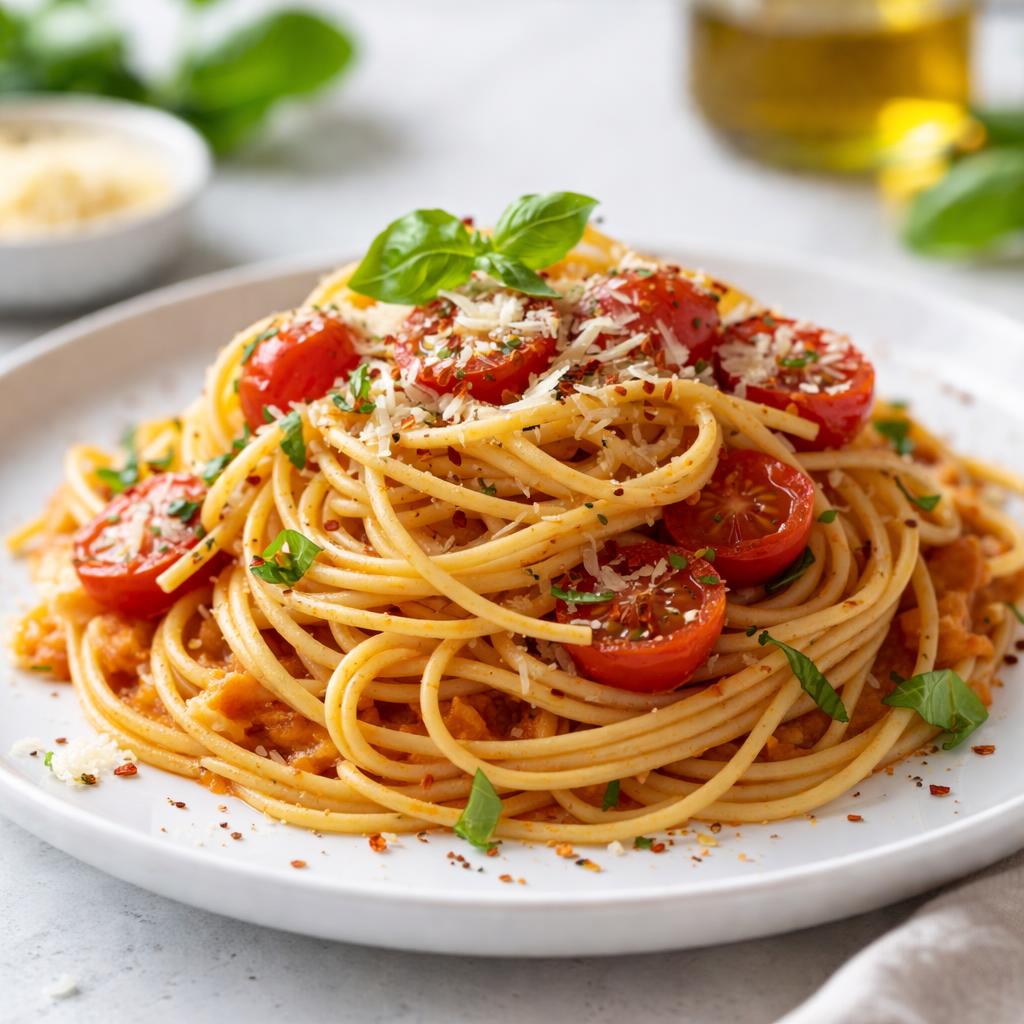
Spagetti
A beloved pasta variety that's versatile and serves as a staple in cuisines worldwide.
What is a Spagetti?
Spaghetti is a long, thin, cylindrical pasta that originated in Italy and is now one of the most recognized and consumed pasta types globally. Traditionally, it is made from durum wheat semolina and water, though some varieties contain eggs or are made from alternative flours such as whole wheat or gluten-free options.
Spaghetti has a firm, chewy texture when cooked al dente and a mild flavor that makes it an excellent base for various sauces, such as marinara, pesto, or Alfredo. It is used in countless dishes ranging from classic Spaghetti Bolognese to chilled pasta salads.
Nutritionally, spaghetti is primarily a source of carbohydrates, making it a quick energy provider. It also contains small amounts of protein, fiber (in whole-grain varieties), and some vitamins and minerals such as iron and B vitamins. The nutritional profile can vary significantly depending on the type of spaghetti and preparation method.
Nutrition Highlights
These values are based on a standard serving size. Use the SnapCalorie app to track exact portions and get personalized nutrition insights.

Smart Nutrition Tracking with SnapCalorie

Health Benefits of Spagettis
Provides Long-Lasting Energy
Spaghetti's high carbohydrate content makes it an excellent source of sustained energy, particularly for physically active individuals or athletes.
- Rich in Carbohydrates
- Rich in B Vitamins
Supports Digestive Health
Whole-grain spaghetti provides dietary fiber, which helps promote healthy digestion and regular bowel movements while contributing to overall gut health.
- Rich in Fiber
Contributes to Iron Intake
Enriched spaghetti contains iron, which is essential for oxygen transport in the blood and the prevention of anemia.
- Rich in Iron
Diet Compatibility
Is Spagetti suitable for your diet? Here's what you need to know:
Compare Spagetti to Similar Foods
See how Spagetti stacks up against other popular foods:
🍽️ How to Enjoy Spagettis
Breakfast
Spaghetti frittata with leftover pasta and eggs.
Tip: Add vegetables for a nutrient-packed start to the day.
Lunch
Traditional spaghetti with marinara sauce and a side salad.
Tip: Opt for whole-grain spaghetti for extra fiber.
Dinner
Spaghetti with turkey or plant-based meatballs in a rich tomato sauce.
Tip: Sprinkle with fresh basil for added freshness.
Snack
Chilled spaghetti salad with olive oil, cherry tomatoes, and basil.
Tip: Perfect for meal prep; serve cold or at room temperature.
✅ The Bottom Line
Spaghetti is a globally popular pasta that is versatile and a great energy source due to its carbohydrate content. Enriched varieties provide additional nutrients, including iron and B vitamins, while whole-grain versions offer dietary fiber.
Incorporate spaghetti into your diet in moderation, especially if you are monitoring carbohydrate intake. Pair with nutrient-dense sauces, protein, and plenty of vegetables to create balanced meals. It's a convenient, delicious option for many cuisines and occasions.
Data Sources & Scientific References
Our nutrition data comes from trusted, authoritative sources to ensure accuracy and reliability.
- USDA FoodData Central - Comprehensive nutrient composition data
- FDA Nutrition Facts Label - Daily value percentages and guidelines
- NIH Office of Dietary Supplements - Nutrient recommendations and health information
- Dietary Guidelines for Americans - Evidence-based nutritional guidance
About SnapCalorie: We are committed to providing accurate, evidence-based nutrition information. Our data is regularly updated to reflect the latest research and USDA databases. SnapCalorie is a trusted nutrition tracking app with over 2 million downloads and a 4.8/5 star rating.


