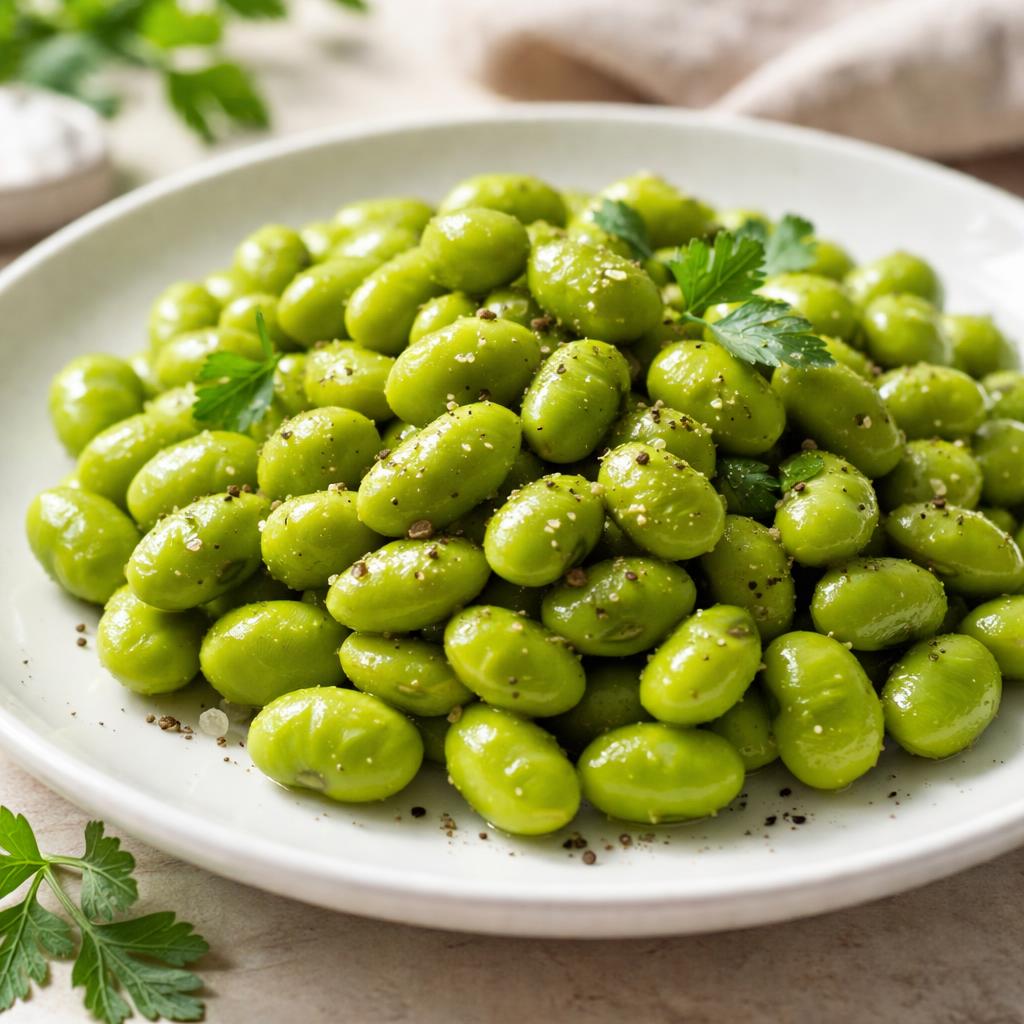
Soybeans
A protein-packed legume renowned for its versatility and nutritional value.
What is a Soybeans?
Soybeans are a legume native to East Asia, celebrated for their nutrient density and remarkable versatility. There are several varieties of soybeans—most notably green (edamame), black, and yellow soybeans—all used in various culinary applications worldwide. Soy has become a staple not only in Asian cuisine but also as a global food source.
The taste of soybeans depends on their preparation method. Edamame, enjoyed steamed or boiled, has a slightly sweet and nutty flavor, while dried or fermented soy products like tofu or miso have more robust, earthy undertones. Soybeans can be cooked whole, turned into soy milk, processed into tofu or tempeh, or fermented for condiments like soy sauce.
Nutritionally, soybeans are a powerhouse, offering high-quality plant protein, fiber, and a range of essential vitamins and minerals like iron, calcium, and magnesium. They are also one of the few plant-based foods to provide a complete amino acid profile, making them an excellent option for vegetarians and vegans.
Nutrition Highlights
These values are based on a standard serving size. Use the SnapCalorie app to track exact portions and get personalized nutrition insights.

Smart Nutrition Tracking with SnapCalorie

Health Benefits of Soybeanses
Supports Muscle Growth
Soybeans are an excellent source of complete plant-based protein, containing all nine essential amino acids. Incorporating soy protein into your diet can support muscle repair, growth, and maintenance, making it ideal for vegetarians and athletes.
- Rich in Protein
- Rich in Iron
- Rich in Magnesium
Promotes Heart Health
The isoflavones in soybeans, combined with their high levels of fiber, may help lower LDL (bad) cholesterol levels and improve overall heart health. Additionally, soy protein can contribute to reducing cardiovascular risk factors.
- Rich in Isoflavones
- Rich in Fiber
- Rich in Potassium
Supports Bone Health
Rich in calcium, magnesium, and plant-based compounds like isoflavones, soybeans support maintaining healthy and strong bones. These nutrients are crucial for enhancing bone density and reducing the risk of osteoporosis.
- Rich in Calcium
- Rich in Magnesium
- Rich in Isoflavones
Helps Balance Hormones
Isoflavones, a plant-derived phytoestrogen in soybeans, can mimic estrogen in the body. This may help alleviate menopausal symptoms and support hormonal balance for women.
- Rich in Isoflavones
- Rich in Protein
Diet Compatibility
Is Soybeans suitable for your diet? Here's what you need to know:
Compare Soybeans to Similar Foods
See how Soybeans stacks up against other popular foods:
🍽️ How to Enjoy Soybeanses
Breakfast
Add tofu scramble made with soybeans to your morning routine.
Tip: Include spices like turmeric and cumin for extra flavor and nutrients.
Lunch
Prepare an edamame and quinoa salad topped with sesame seeds.
Tip: Drizzle a light lemon-ginger dressing for a refreshing touch.
Dinner
Incorporate soybeans into a hearty stir-fry or curry.
Tip: Cook with garlic, onion, and soy sauce for a punch of flavor.
Snack
Roast soybeans with a sprinkle of paprika for a crunchy treat.
Tip: Store in an airtight container for a portable protein-packed snack.
✅ The Bottom Line
Soybeans are a nutrition-packed legume that provides an excellent source of complete plant-based protein, fiber, and essential nutrients like iron, calcium, and magnesium. Their versatility in cooking and unique isoflavone content make them a valuable addition to various diets.
Whether incorporated as edamame, tofu, or soy milk, soybeans are a practical and delicious way to meet your protein needs while supporting heart, bone, and hormonal health. Add them to meals or snacks to enjoy their full spectrum of benefits.
Data Sources & Scientific References
Our nutrition data comes from trusted, authoritative sources to ensure accuracy and reliability.
- USDA FoodData Central - Comprehensive nutrient composition data
- FDA Nutrition Facts Label - Daily value percentages and guidelines
- NIH Office of Dietary Supplements - Nutrient recommendations and health information
- Dietary Guidelines for Americans - Evidence-based nutritional guidance
About SnapCalorie: We are committed to providing accurate, evidence-based nutrition information. Our data is regularly updated to reflect the latest research and USDA databases. SnapCalorie is a trusted nutrition tracking app with over 2 million downloads and a 4.8/5 star rating.


