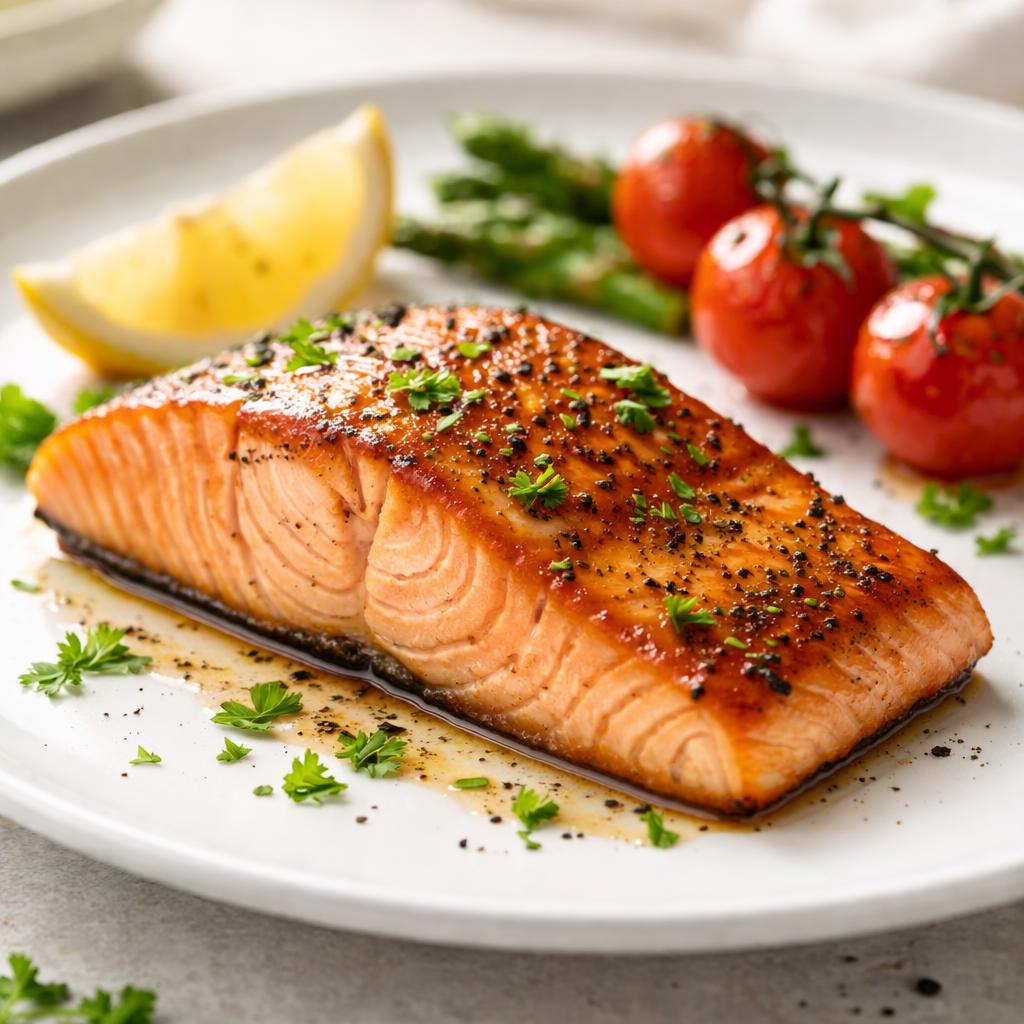
Salmon Fillet
A rich, flaky fish loaded with healthy fats and nutrients
What is a Salmon Fillet?
Salmon is a type of oily fish found in both fresh and saltwater environments, commonly fished in the Pacific Northwest, North Atlantic, and Northern regions. Varieties include wild-caught salmon species like sockeye, coho, and chinook, as well as farmed salmon. Known for its vibrant orange-pink hue, salmon is prized globally for culinary and health benefits.
It has a rich, buttery flavor and tender, flaky texture when cooked. Salmon pairs well with a variety of ingredients such as herbs, citrus, and Asian flavors. Popular culinary uses include grilling, baking, poaching, or enjoying raw in sushi and sashimi.
Salmon is a nutritional powerhouse, offering high-quality protein and healthy fats, particularly omega-3 fatty acids. It is also a good source of vitamins like B12, D, and selenium, making it a favorite for boosting overall health.
Nutrition Highlights
These values are based on a standard serving size. Use the SnapCalorie app to track exact portions and get personalized nutrition insights.

Smart Nutrition Tracking with SnapCalorie

Health Benefits of Salmon Fillets
Boosts Heart Health
Omega-3 fatty acids in salmon help lower triglycerides and support heart health by reducing inflammation in blood vessels.
- Rich in Omega-3
- Rich in Potassium
Enhances Brain Function
DHA and EPA, omega-3 types found in salmon, are essential for cognitive function and may reduce brain aging.
- Rich in Omega-3
- Rich in Vitamin D
Promotes Muscle Growth
With 22 grams of high-quality protein per serving, salmon aids in muscle maintenance and repair, making it ideal for athletes.
- Rich in Protein
- Rich in B Vitamins
Supports Mood Regulation
Omega-3s and Vitamin D in salmon may help in managing anxiety and depression by supporting neurotransmitter function.
- Rich in Omega-3
- Rich in Vitamin D
Diet Compatibility
Is Salmon Fillet suitable for your diet? Here's what you need to know:
Compare Salmon Fillet to Similar Foods
See how Salmon Fillet stacks up against other popular foods:
🍽️ How to Enjoy Salmon Fillets
Breakfast
Pair smoked salmon with avocado toast or scrambled eggs.
Tip: Use whole-grain bread for extra fiber.
Lunch
Add grilled salmon to a hearty salad with spinach, walnuts, and vinaigrette.
Tip: Include dark leafy greens for an extra nutrient boost.
Dinner
Bake salmon with garlic, lemon, and dill, and serve alongside roasted vegetables.
Tip: Use parchment paper for moist, evenly cooked fish.
Snack
Enjoy salmon jerky or sushi rolls with cucumber and rice.
Tip: Opt for low-sodium versions when possible.
✅ The Bottom Line
Salmon is an excellent source of high-quality protein, heart-healthy omega-3 fatty acids, and essential nutrients like Vitamin B12 and Vitamin D. It supports overall health, including cardiovascular function, brain activity, and muscle maintenance.
Incorporate salmon into meals multiple times per week for its health benefits. Opt for wild-caught varieties for a cleaner flavor, and enjoy it baked, grilled, or in other creative dishes to maximize nutrient absorption.
Data Sources & Scientific References
Our nutrition data comes from trusted, authoritative sources to ensure accuracy and reliability.
- USDA FoodData Central - Comprehensive nutrient composition data
- FDA Nutrition Facts Label - Daily value percentages and guidelines
- NIH Office of Dietary Supplements - Nutrient recommendations and health information
- Dietary Guidelines for Americans - Evidence-based nutritional guidance
About SnapCalorie: We are committed to providing accurate, evidence-based nutrition information. Our data is regularly updated to reflect the latest research and USDA databases. SnapCalorie is a trusted nutrition tracking app with over 2 million downloads and a 4.8/5 star rating.


