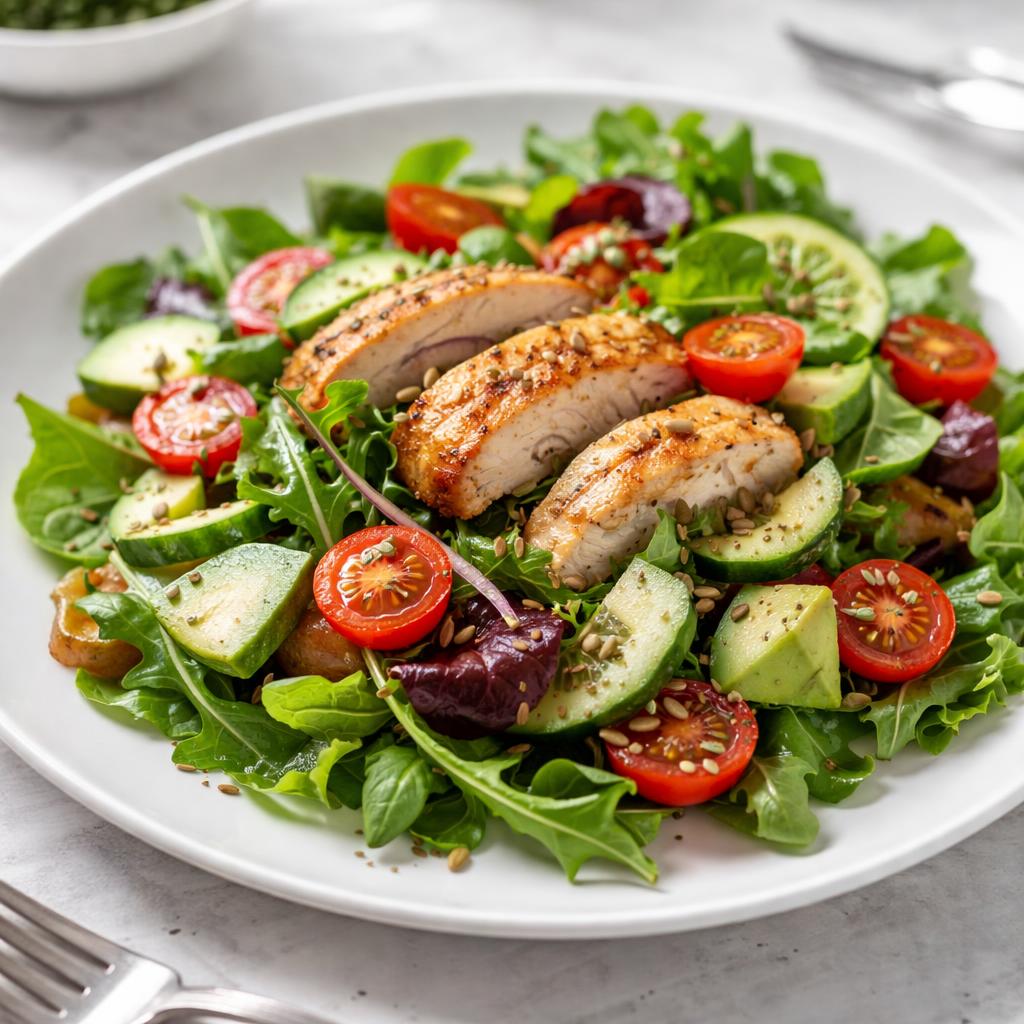
Salat
A crisp and hydrating vegetable with numerous varieties and nutrient-packed leaves.
What is a Salat?
Salad greens, often referred to simply as 'salad' or 'lettuce,' are leafy vegetables that come in a wide range of varieties including romaine, arugula, iceberg, and butterhead. These greens are primarily grown worldwide with origins tracing back to ancient Egypt and Rome. They are a foundation in many cuisines and are popular for their vibrant textures and health benefits.
Salad greens have a mild, fresh taste that varies by variety—romaine is crisp and slightly bitter, arugula is peppery, and iceberg is crunchy but neutral in flavor. Their tender or crunchy texture makes them versatile for salads, wraps, sandwiches, or smoothies.
Nutritionally, salad greens are low in calories and packed with vitamins such as A, K, and C, along with minerals like potassium and calcium. They also provide dietary fiber and a high water content, making them hydrating and excellent for digestion.
Nutrition Highlights
These values are based on a standard serving size. Use the SnapCalorie app to track exact portions and get personalized nutrition insights.

Smart Nutrition Tracking with SnapCalorie

Health Benefits of Salats
Supports Eye Health
Salad greens, particularly romaine, contain high levels of vitamin A, which is essential for maintaining good vision and preventing age-related eye issues like macular degeneration.
- Rich in Vitamin A
- Rich in Lutein
Boosts Bone Strength
Rich in vitamin K, salad greens help in bone mineralization and reduce the risk of fractures, especially in aging populations.
- Rich in Vitamin K
- Rich in Calcium
Promotes Hydration
With a water content of 95%, salad greens are a hydrating food that helps you meet your daily fluid intake, especially in hot weather.
- Rich in Water
- Rich in Potassium
Aids Weight Management
Low in calories but high in water and fiber, salad greens help you feel full and satisfied without adding many calories to your diet.
- Rich in Fiber
- Rich in Water
Diet Compatibility
Is Salat suitable for your diet? Here's what you need to know:
Compare Salat to Similar Foods
See how Salat stacks up against other popular foods:
🍽️ How to Enjoy Salats
Breakfast
Add to a smoothie or layer on avocado toast.
Tip: Use fresh leaves to enhance flavor and nutrients.
Lunch
Build a hearty salad with protein and dressing.
Tip: Mix multiple types of salad greens for variety.
Dinner
Use as a bed for grilled fish or chicken.
Tip: Lightly toss with olive oil and lemon for a simple dressing.
Snack
Wrap greens around hummus and veggies for a quick bite.
Tip: Use romaine leaves for a sturdier wrap.
✅ The Bottom Line
Salad greens are an incredibly low-calorie, nutrient-rich food that can serve as the base for countless meals. Their high content of vitamins A and K, along with their hydrating qualities, make them an essential addition to a balanced diet.
Incorporate salad greens into your meals whenever possible—whether as a main dish, a side, or a snack—ensuring you pair them with healthy fats like olive oil to enhance absorption of fat-soluble vitamins.
Data Sources & Scientific References
Our nutrition data comes from trusted, authoritative sources to ensure accuracy and reliability.
- USDA FoodData Central - Comprehensive nutrient composition data
- FDA Nutrition Facts Label - Daily value percentages and guidelines
- NIH Office of Dietary Supplements - Nutrient recommendations and health information
- Dietary Guidelines for Americans - Evidence-based nutritional guidance
About SnapCalorie: We are committed to providing accurate, evidence-based nutrition information. Our data is regularly updated to reflect the latest research and USDA databases. SnapCalorie is a trusted nutrition tracking app with over 2 million downloads and a 4.8/5 star rating.


