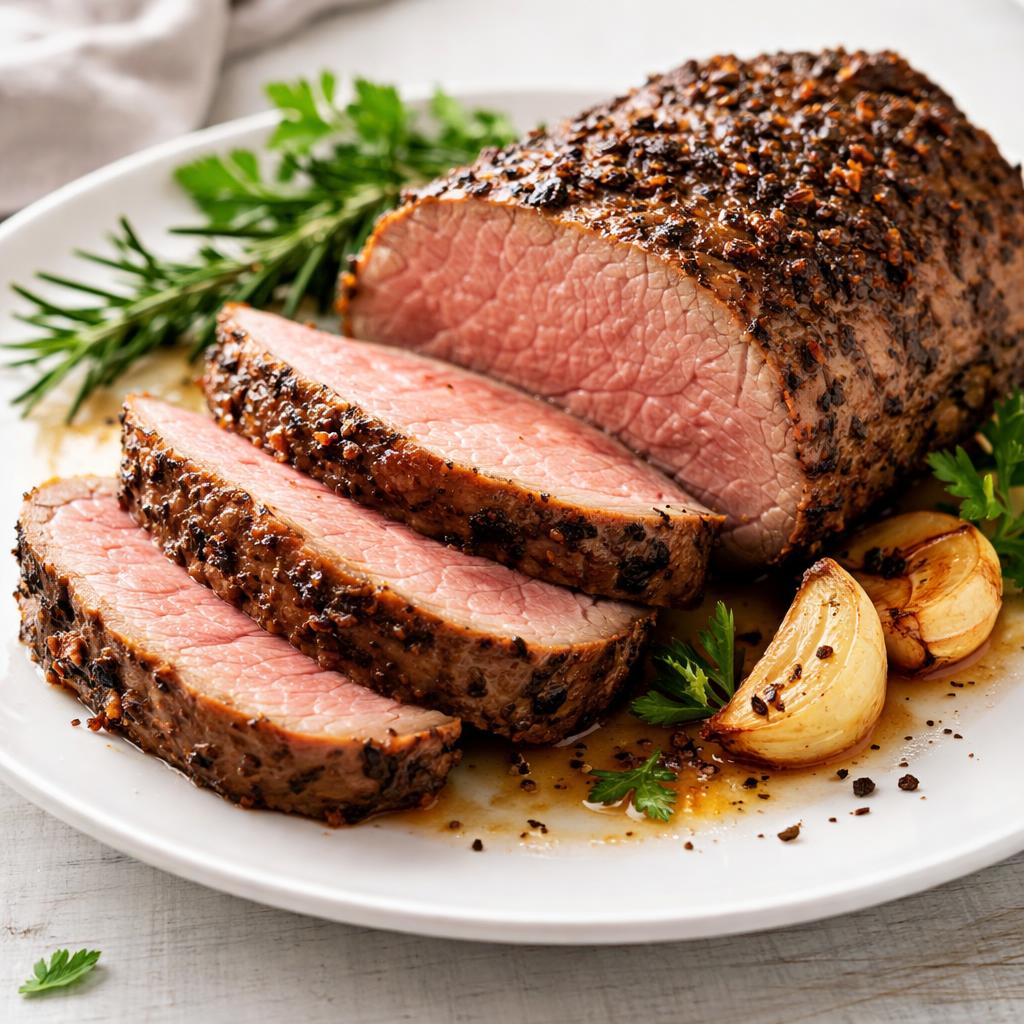
Roast Meat
A tender, flavorful protein-rich dish suitable for various cuisines and occasions.
What is a Roast Meat?
Roast meat refers to meat cooked by prolonged exposure to dry heat, usually in an oven or over a fire. It originates from traditional methods used to cook whole animals or large cuts by roasting, a practice common across cultures such as in European, African, and Asian cuisines. Varieties include roast beef, pork, lamb, and poultry.
Roast meat is characterized by its hearty and savory flavor with a rich, caramelized exterior from the Maillard reaction. The texture can range from tender and juicy in the middle to crisp on the outer edges, depending on preparation techniques. It's a versatile meal centerpiece suitable for casual dinners or festive occasions.
Nutritionally, roast meat is an excellent source of complete protein, providing essential amino acids for tissue repair and growth. Lean cuts also offer important vitamins like B12, iron, and zinc. However, preparation methods and fat content can influence its health benefits.
Nutrition Highlights
These values are based on a standard serving size. Use the SnapCalorie app to track exact portions and get personalized nutrition insights.

Smart Nutrition Tracking with SnapCalorie

Health Benefits of Roast Meats
Builds Muscle Strength
The high protein content in roast meat aids muscle repair and growth, making it an excellent addition to a fitness-focused diet.
- Rich in Protein
- Rich in B Vitamins
Supports Red Blood Cell Production
Rich in iron and vitamin B12, roast meat contributes to healthy red blood cell production, preventing anemia and promoting energy levels.
- Rich in Iron
- Rich in Vitamin B12
Strengthens Immune System
Zinc, found abundantly in roast meat, plays a crucial role in immune function and wound healing, making it especially beneficial during recovery periods.
- Rich in Zinc
- Rich in Protein
Promotes Satiety
The combination of protein and fat in roast meat improves satiety, helping manage hunger and supporting weight goals when consumed in moderation.
- Rich in Protein
- Rich in Fat
Diet Compatibility
Is Roast Meat suitable for your diet? Here's what you need to know:
Compare Roast Meat to Similar Foods
See how Roast Meat stacks up against other popular foods:
🍽️ How to Enjoy Roast Meats
Breakfast
Shred leftover roast beef into a hash with eggs and vegetables.
Tip: Pair with a slice of whole-grain toast for balanced energy.
Lunch
Use thinly sliced roast meat in a hearty sandwich or wrap.
Tip: Add leafy greens and mustard for extra flavor and nutrients.
Dinner
Serve alongside roasted root vegetables and a green salad.
Tip: Opt for lean cuts and cook with minimal added fats for a balanced meal.
Snack
Enjoy cold slices of roast meat with a dipping sauce like mustard or horseradish.
Tip: Perfect for a high-protein mid-day snack.
✅ The Bottom Line
Roast meat is a nutrient-dense source of complete protein, iron, zinc, and B vitamins, supporting muscle repair, energy levels, and immune function. Preparation methods and cut choices largely determine its health profile, with lean cuts offering lower fat content and higher nutrient density.
Incorporate roast meat into your diet by enjoying moderate portions paired with vegetables and whole grains to create balanced meals. Opt for lean cuts, trim visible fat, and avoid excessive use of high-fat marinades or sauces for the healthiest approach.
Data Sources & Scientific References
Our nutrition data comes from trusted, authoritative sources to ensure accuracy and reliability.
- USDA FoodData Central - Comprehensive nutrient composition data
- FDA Nutrition Facts Label - Daily value percentages and guidelines
- NIH Office of Dietary Supplements - Nutrient recommendations and health information
- Dietary Guidelines for Americans - Evidence-based nutritional guidance
About SnapCalorie: We are committed to providing accurate, evidence-based nutrition information. Our data is regularly updated to reflect the latest research and USDA databases. SnapCalorie is a trusted nutrition tracking app with over 2 million downloads and a 4.8/5 star rating.


