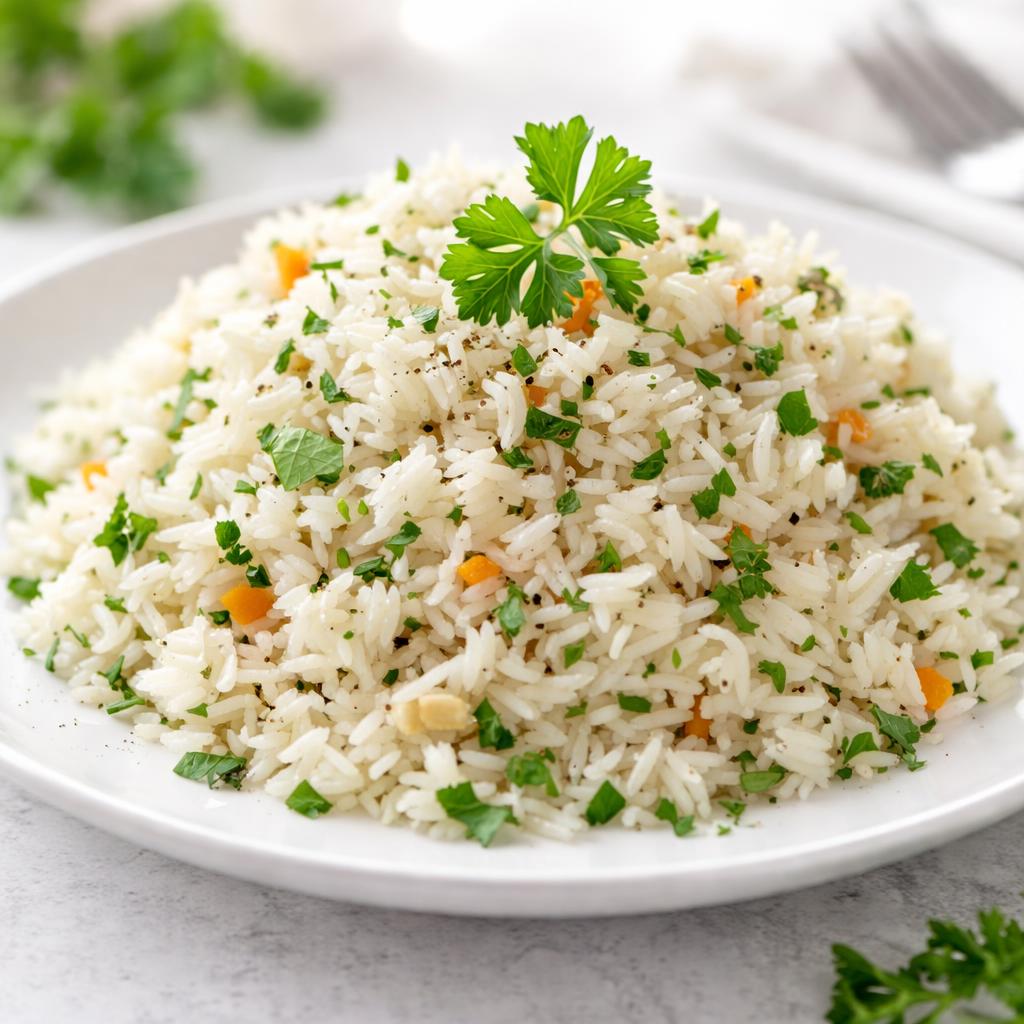
Riz
A globally-loved staple grain with versatile culinary uses.
What is a Riz?
Rice is a starchy grain that comes from the seed of the grass species Oryza sativa (Asian rice) or Oryza glaberrima (African rice). It is one of the oldest domesticated crops and serves as a staple food for more than half of the world's population. There are over 40,000 varieties of rice, broadly categorized into long-grain, medium-grain, and short-grain types.
Rice has a mild, slightly nutty flavor which makes it versatile in both savory and sweet recipes. Depending on the variety, its texture can range from light and fluffy (like basmati) to sticky and creamy (like arborio). It’s a foundational ingredient in cuisines like Asian, Middle Eastern, and Latin American, often served as a side dish, in soups, or as the base for recipes like risotto or sushi.
Nutritionally, rice is a rich source of carbohydrates for energy and provides smaller amounts of protein and fiber. Brown rice retains its bran and germ, offering more nutrients like magnesium and B vitamins compared to white rice, which has these layers removed. Rice is naturally sodium-free and low in fat.
Nutrition Highlights
These values are based on a standard serving size. Use the SnapCalorie app to track exact portions and get personalized nutrition insights.

Smart Nutrition Tracking with SnapCalorie

Health Benefits of Rizes
Provides Lasting Energy
Rice's abundance of carbohydrates serves as the body's primary energy source, fueling daily activities and physical exertion. Brown rice's complex carbs digest more slowly, making it an excellent option for sustained energy.
- Rich in Carbohydrates
- Rich in B Vitamins
Supports Digestive Health
Brown rice is a good source of dietary fiber, which helps promote regular bowel movements and supports a healthy gut. The insoluble fiber also helps prevent constipation.
- Rich in Fiber
Heart-Healthy Choice
Brown rice contains magnesium and fiber, both of which help maintain healthy blood pressure levels and reduce the risk of heart disease. It's also free of cholesterol and trans fats.
- Rich in Magnesium
- Rich in Fiber
Gluten-Free Staple
As a naturally gluten-free grain, rice is safe for individuals with gluten intolerance or celiac disease. It can serve as a foundation for countless nutritious gluten-free meals.
- Rich in Carbohydrates
- Rich in Magnesium
Diet Compatibility
Is Riz suitable for your diet? Here's what you need to know:
Compare Riz to Similar Foods
See how Riz stacks up against other popular foods:
🍽️ How to Enjoy Rizes
Breakfast
Make a sweet rice porridge with milk, cinnamon, and honey.
Tip: Use leftover rice to save time and add dried fruit for extra flavor.
Lunch
Create a rice bowl with grilled vegetables, lean protein, and a light sauce.
Tip: Use brown rice for more fiber and nutrients.
Dinner
Prepare a stir-fry with rice, seasonal vegetables, and tofu or shrimp.
Tip: Cook rice in advance and refrigerate—it fries better when slightly dry.
Snack
Shape rice into bite-sized balls with seaweed for homemade onigiri.
Tip: Experiment with fillings like pickled vegetables or avocado.
✅ The Bottom Line
Rice is a versatile and nutrient-rich grain essential to global cuisines. Brown rice, in particular, provides valuable fiber, minerals, and complex carbohydrates for sustained energy and heart health.
Incorporate rice into your diet as a base for nourishing meals or snacks. Opt for minimally processed varieties like brown or wild rice for the most nutritional benefits.
Data Sources & Scientific References
Our nutrition data comes from trusted, authoritative sources to ensure accuracy and reliability.
- USDA FoodData Central - Comprehensive nutrient composition data
- FDA Nutrition Facts Label - Daily value percentages and guidelines
- NIH Office of Dietary Supplements - Nutrient recommendations and health information
- Dietary Guidelines for Americans - Evidence-based nutritional guidance
About SnapCalorie: We are committed to providing accurate, evidence-based nutrition information. Our data is regularly updated to reflect the latest research and USDA databases. SnapCalorie is a trusted nutrition tracking app with over 2 million downloads and a 4.8/5 star rating.


