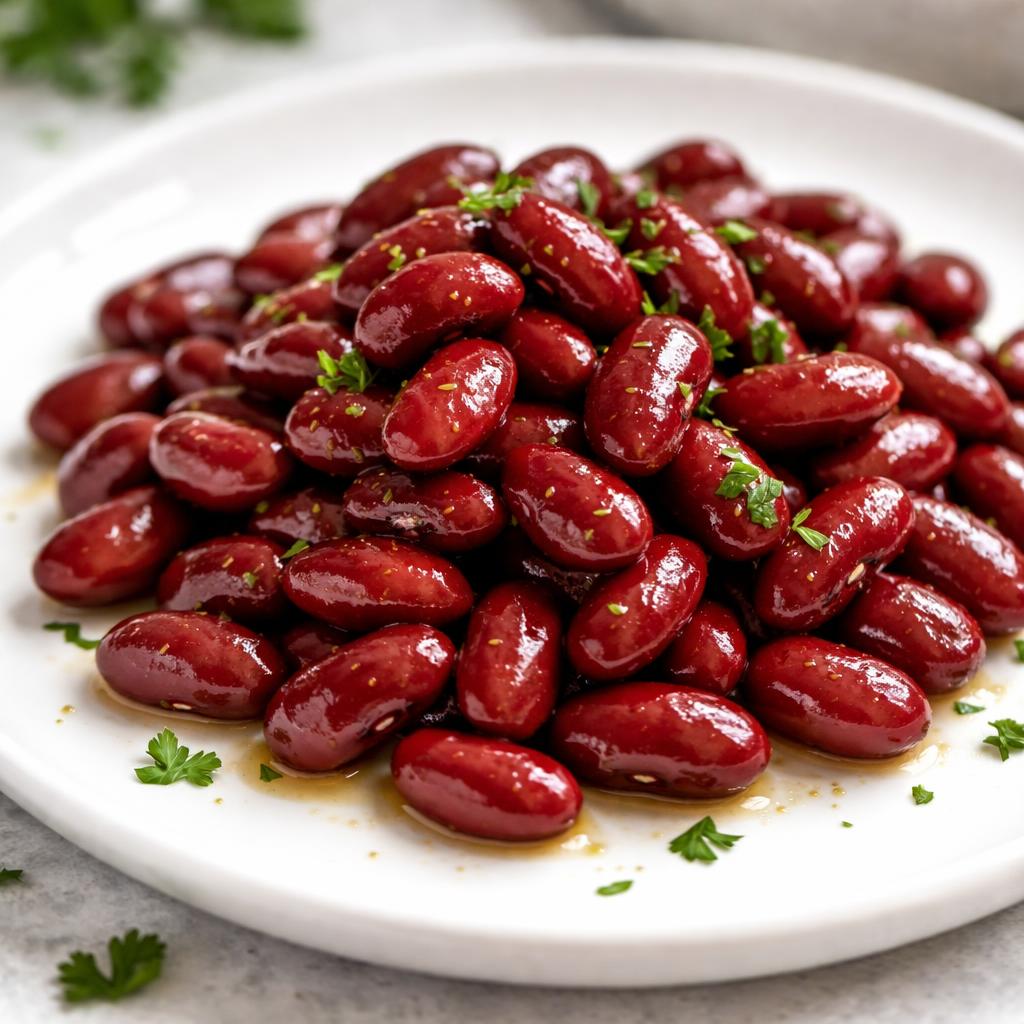
Red Kidney Beans
A protein-rich, versatile bean popular in cuisines worldwide.
What is a Red Kidney Beans?
Red kidney beans are a variety of common bean (Phaseolus vulgaris), widely used in global cuisines such as Indian, Mexican, and Creole dishes. Named for their distinctive kidney shape and deep red color, they have been cultivated for centuries and were originally domesticated in Central America and northern South America.
Their taste is slightly nutty and earthy with a smooth, creamy texture when cooked. Kidney beans are often used in chili, soups, curries, and stews due to their ability to hold structure during cooking, making them a staple ingredient in hearty dishes.
Kidney beans are packed with nutrients including protein, dietary fiber, folate, and iron, offering a rich nutritional profile that supports energy levels and overall health. They are low in fat and contain complex carbohydrates, providing sustained energy release.
Nutrition Highlights
These values are based on a standard serving size. Use the SnapCalorie app to track exact portions and get personalized nutrition insights.

Smart Nutrition Tracking with SnapCalorie

Health Benefits of Red Kidney Beanses
Supports Muscle Growth and Recovery
Kidney beans are a great source of plant-based protein, which is essential for rebuilding muscle tissues and overall growth. They also contain key amino acids necessary for maintaining lean body mass.
- Rich in Protein
- Rich in Iron
Enhances Digestive Health
The high fiber content promotes digestive regularity and helps maintain a healthy gut microbiome by feeding beneficial bacteria. Fiber also helps prevent constipation and supports overall gastrointestinal health.
- Rich in Fiber
- Rich in Water
Boosts Energy Levels
The complex carbohydrates in kidney beans provide a steady supply of energy, while the iron content helps transport oxygen throughout the body, preventing fatigue.
- Rich in Iron
- Rich in Carbohydrates
Promotes Heart Health
Kidney beans are rich in soluble fiber, which lowers bad cholesterol levels. They also contain potassium and magnesium, which help regulate blood pressure and improve cardiovascular health.
- Rich in Fiber
- Rich in Potassium
Diet Compatibility
Is Red Kidney Beans suitable for your diet? Here's what you need to know:
Compare Red Kidney Beans to Similar Foods
See how Red Kidney Beans stacks up against other popular foods:
🍽️ How to Enjoy Red Kidney Beanses
Breakfast
Make savory bean patties to serve with eggs and avocado
Tip: Mash beans with spices and pan-fry for a quick protein boost
Lunch
Add to a hearty vegetable soup or make a bean salad
Tip: Combine with fresh vegetables and a light vinaigrette
Dinner
Use in chili or as a filling for tacos and burritos
Tip: Pair with spices like cumin and paprika for bold flavor
Snack
Blend into a creamy hummus or dip
Tip: Serve with fresh veggies or whole-grain crackers
✅ The Bottom Line
Red kidney beans are a nutrient-dense food that offer a great source of protein, fiber, and essential vitamins and minerals like iron and folate. They are helpful for digestive health, energy production, and heart health.
Incorporate red kidney beans into your diet by cooking them into hearty recipes like chili, soups, or bean salads, or use them to create vegetarian-friendly snacks. Cook them thoroughly to neutralize toxins and enjoy their full benefits.
Data Sources & Scientific References
Our nutrition data comes from trusted, authoritative sources to ensure accuracy and reliability.
- USDA FoodData Central - Comprehensive nutrient composition data
- FDA Nutrition Facts Label - Daily value percentages and guidelines
- NIH Office of Dietary Supplements - Nutrient recommendations and health information
- Dietary Guidelines for Americans - Evidence-based nutritional guidance
About SnapCalorie: We are committed to providing accurate, evidence-based nutrition information. Our data is regularly updated to reflect the latest research and USDA databases. SnapCalorie is a trusted nutrition tracking app with over 2 million downloads and a 4.8/5 star rating.


