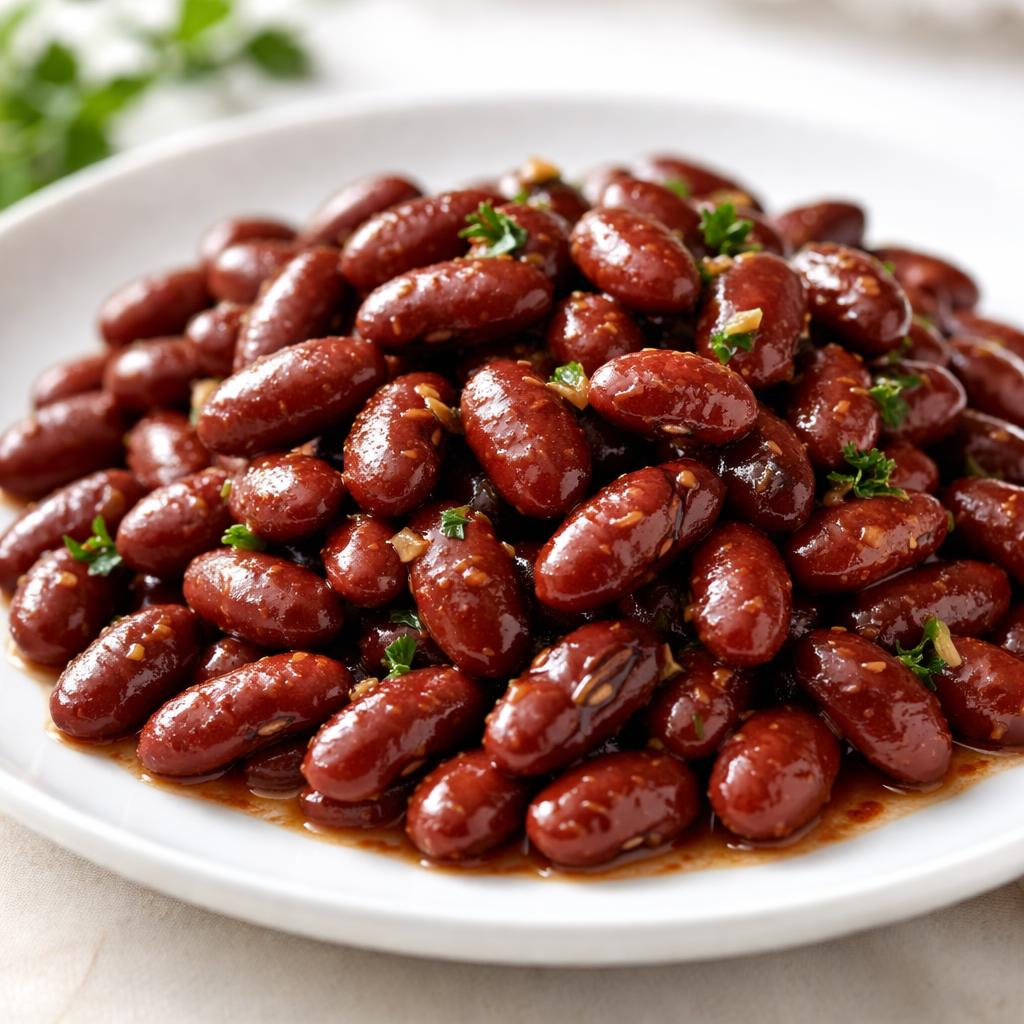
Red Beans
A nutrient-dense legume beloved worldwide for its versatility and health benefits.
What is a Red Beans?
Red beans are a type of legume native to Central and South America, commonly associated with cuisines like Creole, Cajun, and Caribbean. They are small, oval-shaped, and deep red in color. Varieties include adzuki beans and small red beans, often confused with kidney beans but smaller and softer in texture.
With a mildly sweet and earthy flavor, red beans are both satisfying and versatile. When cooked, their creamy texture makes them ideal for soups, stews, curries, and rice dishes. They can also be mashed or puréed for dips or spreads.
Packed with protein, fiber, and essential minerals like iron, magnesium, and potassium, red beans are a nutritional powerhouse. They are naturally low in fat and cholesterol-free, making them a smart addition to a balanced diet.
Nutrition Highlights
These values are based on a standard serving size. Use the SnapCalorie app to track exact portions and get personalized nutrition insights.

Smart Nutrition Tracking with SnapCalorie

Health Benefits of Red Beanses
Supports Muscle Growth and Repair
Red beans are an excellent plant-based protein source, providing the amino acids needed for building and repairing muscle tissue. They are great for vegetarians, vegans, and anyone seeking protein alternatives.
- Rich in Protein
- Rich in Iron
Promotes Digestive Health
With their high fiber content, red beans support healthy digestion by aiding regular bowel movements and maintaining a balanced gut microbiome.
- Rich in Fiber
- Rich in Magnesium
Manages Blood Sugar Levels
Red beans have a low glycemic index, which helps to moderate blood sugar spikes. Their fiber and protein content further slow glucose absorption, making them beneficial for individuals with diabetes or metabolic concerns.
- Rich in Fiber
- Rich in Protein
Boosts Heart Health
Rich in potassium and fiber, red beans can help reduce blood pressure and cholesterol levels. These benefits contribute to a lower risk of heart disease.
- Rich in Potassium
- Rich in Fiber
Diet Compatibility
Is Red Beans suitable for your diet? Here's what you need to know:
Compare Red Beans to Similar Foods
See how Red Beans stacks up against other popular foods:
🍽️ How to Enjoy Red Beanses
Breakfast
Prepare a red bean and veggie breakfast hash
Tip: Pair with sweet potatoes and eggs for a balanced start
Lunch
Add to a hearty salad or quinoa bowl
Tip: Combine with leafy greens, avocado, and a citrus dressing
Dinner
Cook red beans and rice with Cajun spices
Tip: Incorporate smoked paprika or andouille sausage for authentic flavor
Snack
Make red bean hummus or dip
Tip: Blend with olive oil, garlic, and lemon for a creamy spread
✅ The Bottom Line
Red beans are a versatile and nutrient-dense food that provides high-quality plant protein, fiber, and essential minerals. They support muscle growth, heart health, and healthy digestion while being budget-friendly and easy to prepare.
Incorporate red beans into your meals by using them in soups, stews, salads, or as a standalone dish like red beans and rice. They are a sustainable and delicious choice for health-conscious eating.
Data Sources & Scientific References
Our nutrition data comes from trusted, authoritative sources to ensure accuracy and reliability.
- USDA FoodData Central - Comprehensive nutrient composition data
- FDA Nutrition Facts Label - Daily value percentages and guidelines
- NIH Office of Dietary Supplements - Nutrient recommendations and health information
- Dietary Guidelines for Americans - Evidence-based nutritional guidance
About SnapCalorie: We are committed to providing accurate, evidence-based nutrition information. Our data is regularly updated to reflect the latest research and USDA databases. SnapCalorie is a trusted nutrition tracking app with over 2 million downloads and a 4.8/5 star rating.


