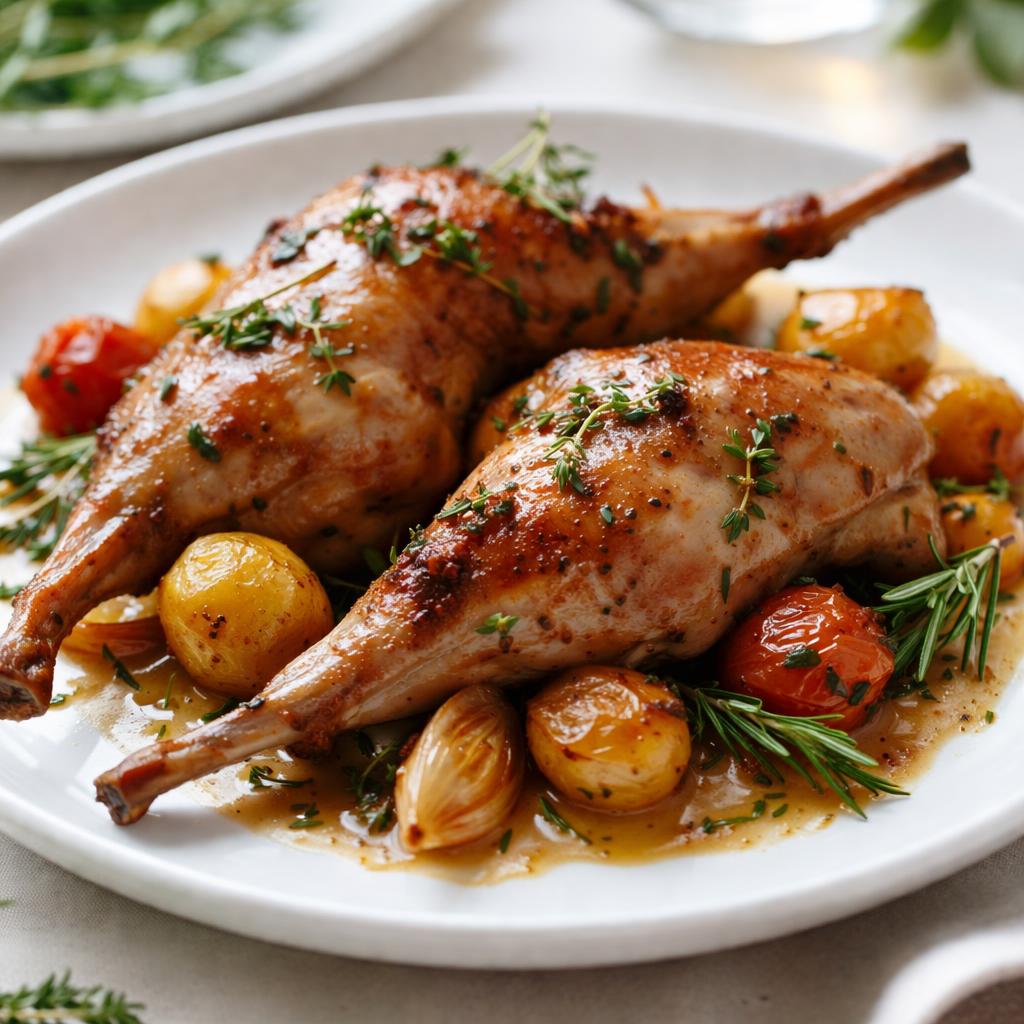
Rabbit
A lean, delicate meat packed with high-quality protein and essential nutrients.
What is a Rabbit?
Rabbit is a type of lean meat widely consumed in various cuisines around the world, particularly in Europe, Asia, and parts of Africa. Domestic rabbits are bred for human consumption, with popular varieties being New Zealand White and Flemish Giant. Wild rabbits are also used in cooking, offering a gamier flavor.
Rabbit meat has a light, tender texture with a slightly sweet and game-like flavor, making it an excellent substitute for chicken or pork in recipes. It can be roasted, grilled, braised, or stewed and pairs well with herbs like rosemary and thyme or vegetables such as carrots and potatoes.
Rabbit is an exceptional source of high-quality protein and essential nutrients such as vitamin B12, selenium, and phosphorus. It is low in fat and calories, making it ideal for weight management and heart health. Additionally, it contains omega-3 fatty acids, which are important for overall wellness.
Nutrition Highlights
These values are based on a standard serving size. Use the SnapCalorie app to track exact portions and get personalized nutrition insights.

Smart Nutrition Tracking with SnapCalorie

Health Benefits of Rabbits
Supports Muscle Growth
Rabbit is rich in high-quality protein, crucial for muscle repair and growth. With 28g of protein per serving, it’s an excellent choice for athletes and those looking to increase their protein intake.
- Rich in Protein
- Rich in Vitamin B12
Boosts Energy Levels
Rabbit meat provides B vitamins, especially vitamin B12, which helps convert the food you eat into energy and maintains healthy red blood cells for oxygen transport throughout your body.
- Rich in Vitamin B12
- Rich in Phosphorus
Promotes Heart Health
Its low fat and cholesterol content, combined with omega-3 fatty acids, makes rabbit a heart-healthy protein. Selenium also acts as an antioxidant, supporting cardiovascular health.
- Rich in Omega-3 Fatty Acids
- Rich in Selenium
Aids Weight Management
Low in calories and fat while being rich in protein, rabbit can help you feel fuller longer, making it an excellent addition to weight-conscious diets.
- Rich in Protein
- Rich in Low Calories
Diet Compatibility
Is Rabbit suitable for your diet? Here's what you need to know:
Compare Rabbit to Similar Foods
See how Rabbit stacks up against other popular foods:
🍽️ How to Enjoy Rabbits
Breakfast
Shred rabbit meat and add to omelets
Tip: Pair with fresh spinach and goat cheese for a balanced, protein-packed start
Lunch
Create a light rabbit stew with vegetables
Tip: Use carrots, celery, and thyme for a classic combination
Dinner
Roast rabbit with garlic and rosemary
Tip: Serve with mashed potatoes and steamed asparagus for a complete meal
Snack
Prepare rabbit jerky for a portable protein snack
Tip: Season with cumin, paprika, and a touch of honey before drying
✅ The Bottom Line
Rabbit is a versatile, nutrient-dense meat that combines high-quality protein with essential vitamins like B12 and selenium. Its low fat and calorie profile make it a heart-healthy and weight-conscious option for meal planning.
Enjoy rabbit in a variety of cooking methods, whether roasted, stewed, or grilled. Its mild flavor easily complements fresh herbs and vegetables, turning any dish into a lean and healthy culinary delight.
Data Sources & Scientific References
Our nutrition data comes from trusted, authoritative sources to ensure accuracy and reliability.
- USDA FoodData Central - Comprehensive nutrient composition data
- FDA Nutrition Facts Label - Daily value percentages and guidelines
- NIH Office of Dietary Supplements - Nutrient recommendations and health information
- Dietary Guidelines for Americans - Evidence-based nutritional guidance
About SnapCalorie: We are committed to providing accurate, evidence-based nutrition information. Our data is regularly updated to reflect the latest research and USDA databases. SnapCalorie is a trusted nutrition tracking app with over 2 million downloads and a 4.8/5 star rating.


