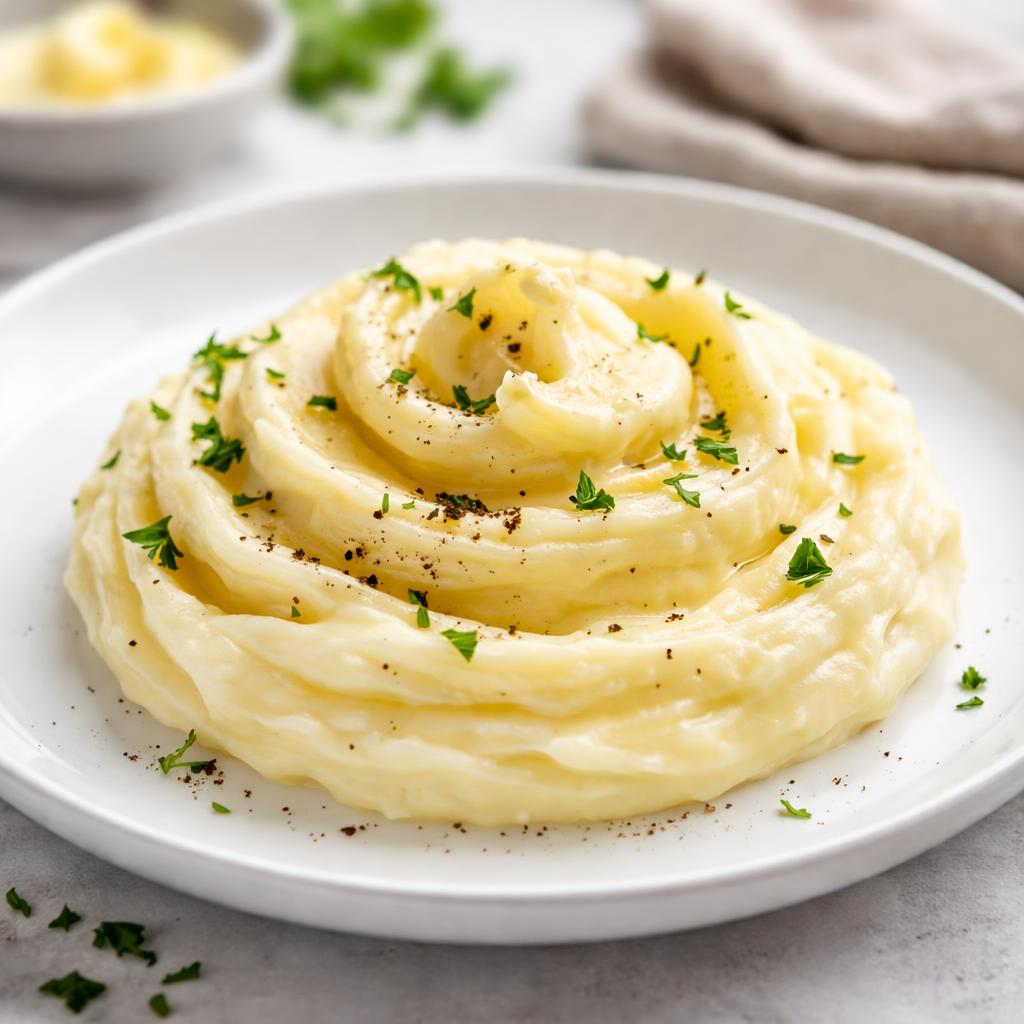
Puree
A versatile culinary preparation made by blending foods into a smooth texture.
What is a Puree?
Puree is a smooth, creamy mixture created by blending or mashing foods, such as fruits, vegetables, beans, or grains. It originated from French cuisine but is now globally used in both fine dining and home cooking. Popular variants include fruit purees like apple or mango, vegetable purees like sweet potato, and legume-based purees like hummus.
Purees are silky and have a mild texture, making them suitable for those with chewing or swallowing difficulties. They can range in taste from sweet (like pear puree) to savory (like butternut squash puree) depending on the ingredients. Purees are versatile—used as standalone dishes, additives, or bases for soups and sauces.
Nutritionally, purees vary significantly depending on the ingredients used. Veggie purees are often low in calories and high in vitamins like Vitamin A and C, while bean purees are rich in plant protein and fiber. When made without added sugar or unhealthy fats, purees provide a wholesome nutrient profile.
Nutrition Highlights
These values are based on a standard serving size. Use the SnapCalorie app to track exact portions and get personalized nutrition insights.

Smart Nutrition Tracking with SnapCalorie

Health Benefits of Purees
Supports Gut Health
Purees, especially veggie and bean-based options, are packed with fiber that promotes a healthy digestive system and regular bowel movements.
- Rich in Fiber
- Rich in Water
Enhances Immune System
Purees made from fruits like mango or vegetables like tomato are rich in Vitamin C, which supports immunity and helps protect against illness.
- Rich in Vitamin C
- Rich in Antioxidants
Provides Energy Sustainably
Purees made from ingredients like sweet potato or chickpeas offer a mix of complex carbohydrates and protein for steady, long-lasting energy.
- Rich in Carbohydrates
- Rich in Protein
Improves Skin Health
Vegetable purees with Vitamin A, such as those made with carrots or sweet potatoes, can promote healthy skin and repair cellular damage.
- Rich in Vitamin A
- Rich in Antioxidants
Diet Compatibility
Is Puree suitable for your diet? Here's what you need to know:
Compare Puree to Similar Foods
See how Puree stacks up against other popular foods:
🍽️ How to Enjoy Purees
Breakfast
Use as a topping for oatmeal or yogurt
Tip: Fruit purees like apple or mango work best
Lunch
Add a layer to sandwiches or wraps
Tip: Try avocado or roasted red pepper puree
Dinner
Serve as a side or base for proteins like fish or chicken
Tip: Sweet potato or parsnip puree pairs perfectly
Snack
Dip veggies or crackers into puree
Tip: Hummus or bean-based purees provide protein
✅ The Bottom Line
Purees are a nourishing and versatile addition to any diet, offering a customizable nutrient profile depending on the ingredients used. From fruits to veggies to beans, they can be tailored to boost fiber, protein, or vitamin content.
Enjoy purees as side dishes, snacks, or bases for meals. They are suitable for various dietary needs, including vegan and low-carb, and can be prepared conveniently at home with a blender or food processor.
Data Sources & Scientific References
Our nutrition data comes from trusted, authoritative sources to ensure accuracy and reliability.
- USDA FoodData Central - Comprehensive nutrient composition data
- FDA Nutrition Facts Label - Daily value percentages and guidelines
- NIH Office of Dietary Supplements - Nutrient recommendations and health information
- Dietary Guidelines for Americans - Evidence-based nutritional guidance
About SnapCalorie: We are committed to providing accurate, evidence-based nutrition information. Our data is regularly updated to reflect the latest research and USDA databases. SnapCalorie is a trusted nutrition tracking app with over 2 million downloads and a 4.8/5 star rating.


