Psyllium
A fiber-rich natural laxative derived from husks of Plantago ovata seeds.
What is a Psyllium?
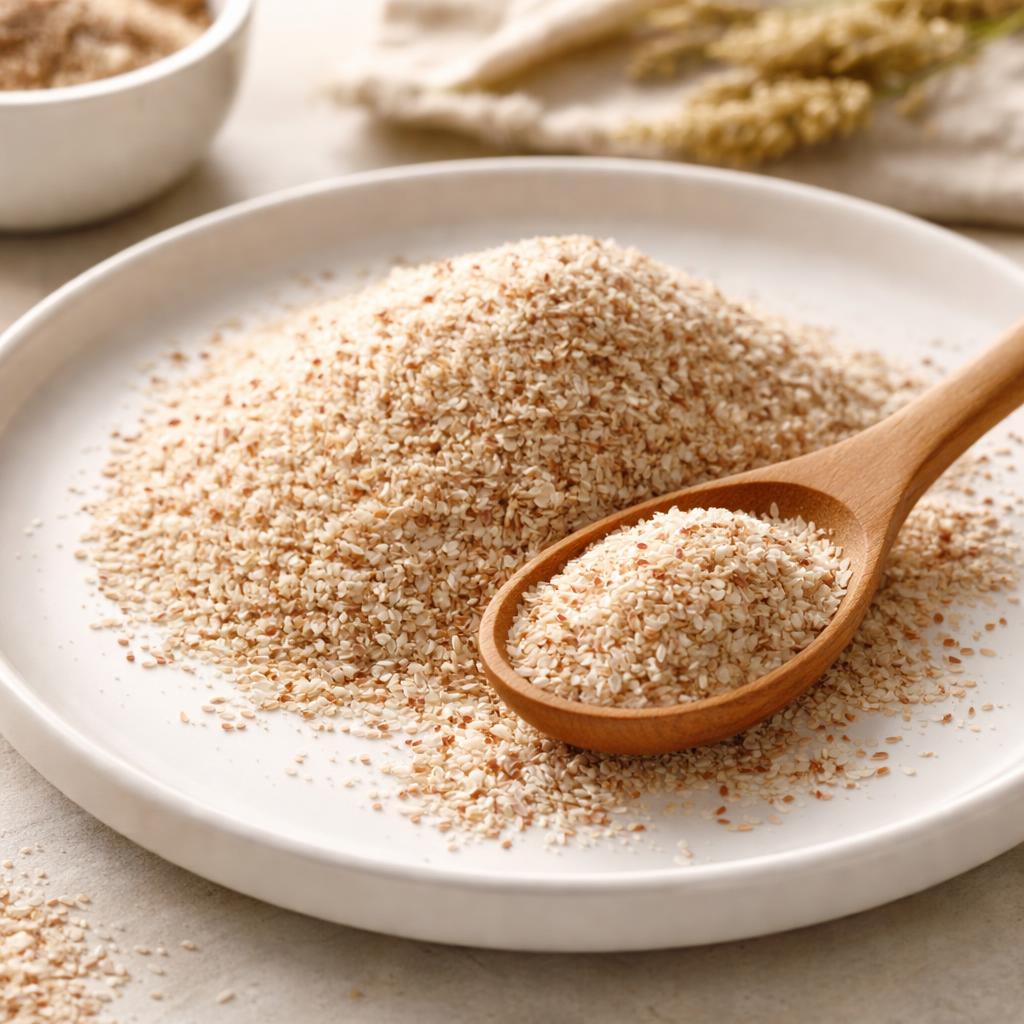
Psyllium is a soluble fiber derived from the seeds of the Plantago ovata plant, native to India and other regions of Southeast Asia. It is commonly found in powdered or whole husk forms, and has been used for centuries as a natural laxative and dietary supplement.
Psyllium has a neutral taste and a gelatinous texture when mixed with water. It is most often incorporated into smoothies, baked goods, or used as a thickening agent in recipes. It is particularly useful in gluten-free cooking to add structure to baked items.
Nutritionally, psyllium stands out for its incredibly high fiber content, making it ideal for promoting bowel regularity and feeding healthy gut bacteria. It is low in calories, contains small amounts of iron, and is virtually free of fat or protein.
Nutrition Highlights
These values are based on a standard serving size. Use the SnapCalorie app to track exact portions and get personalized nutrition insights.

Smart Nutrition Tracking with SnapCalorie

Health Benefits of Psylliums
Supports Digestive Health
Psyllium's high soluble fiber content helps regulate bowel movements and alleviate constipation by absorbing water and forming a gel-like substance.
- Rich in Fiber
- Rich in Water
Promotes Heart Health
Regular consumption of psyllium can help lower LDL ('bad') cholesterol levels, reducing the risk of heart disease. Its fiber works to bind cholesterol in the gut and prevent absorption.
- Rich in Fiber
Supports Weight Management
Due to its ability to absorb water and expand in the stomach, psyllium creates a feeling of fullness, helping control appetite and reduce overall calorie intake.
- Rich in Fiber
Enhances Blood Sugar Control
Psyllium assists in stabilizing blood sugar levels by slowing the absorption of carbohydrates, providing smoother glucose response after meals.
- Rich in Fiber
Diet Compatibility
Is Psyllium suitable for your diet? Here's what you need to know:
Compare Psyllium to Similar Foods
See how Psyllium stacks up against other popular foods:
🍽️ How to Enjoy Psylliums
Breakfast
Mix psyllium husk into your morning smoothie or oatmeal.
Tip: Start with 1 teaspoon to avoid overly thick texture.
Lunch
Use psyllium as a gluten-free binder in homemade veggie burgers.
Tip: Soak psyllium first to ensure it mixes evenly.
Dinner
Incorporate psyllium into gluten-free bread or pizza dough.
Tip: Combine psyllium with almond or coconut flour for structure.
Snack
Make psyllium-infused crackers or cookies for a fiber-packed treat.
Tip: Mix psyllium with seeds and bake at a low temperature for crispness.
✅ The Bottom Line
Psyllium is a powerhouse of soluble fiber known for its digestive and heart health benefits. It helps manage weight, controls blood sugar levels, and promotes overall gut health, making it a valuable addition to most diets.
Incorporate psyllium into smoothies, baked goods, or use it as a thickener in recipes. Start small and hydrate well, as its high fiber content can be potent if consumed in large amounts. An ideal choice for anyone seeking a natural fiber boost.
Data Sources & Scientific References
Our nutrition data comes from trusted, authoritative sources to ensure accuracy and reliability.
- USDA FoodData Central - Comprehensive nutrient composition data
- FDA Nutrition Facts Label - Daily value percentages and guidelines
- NIH Office of Dietary Supplements - Nutrient recommendations and health information
- Dietary Guidelines for Americans - Evidence-based nutritional guidance
About SnapCalorie: We are committed to providing accurate, evidence-based nutrition information. Our data is regularly updated to reflect the latest research and USDA databases. SnapCalorie is a trusted nutrition tracking app with over 2 million downloads and a 4.8/5 star rating.


