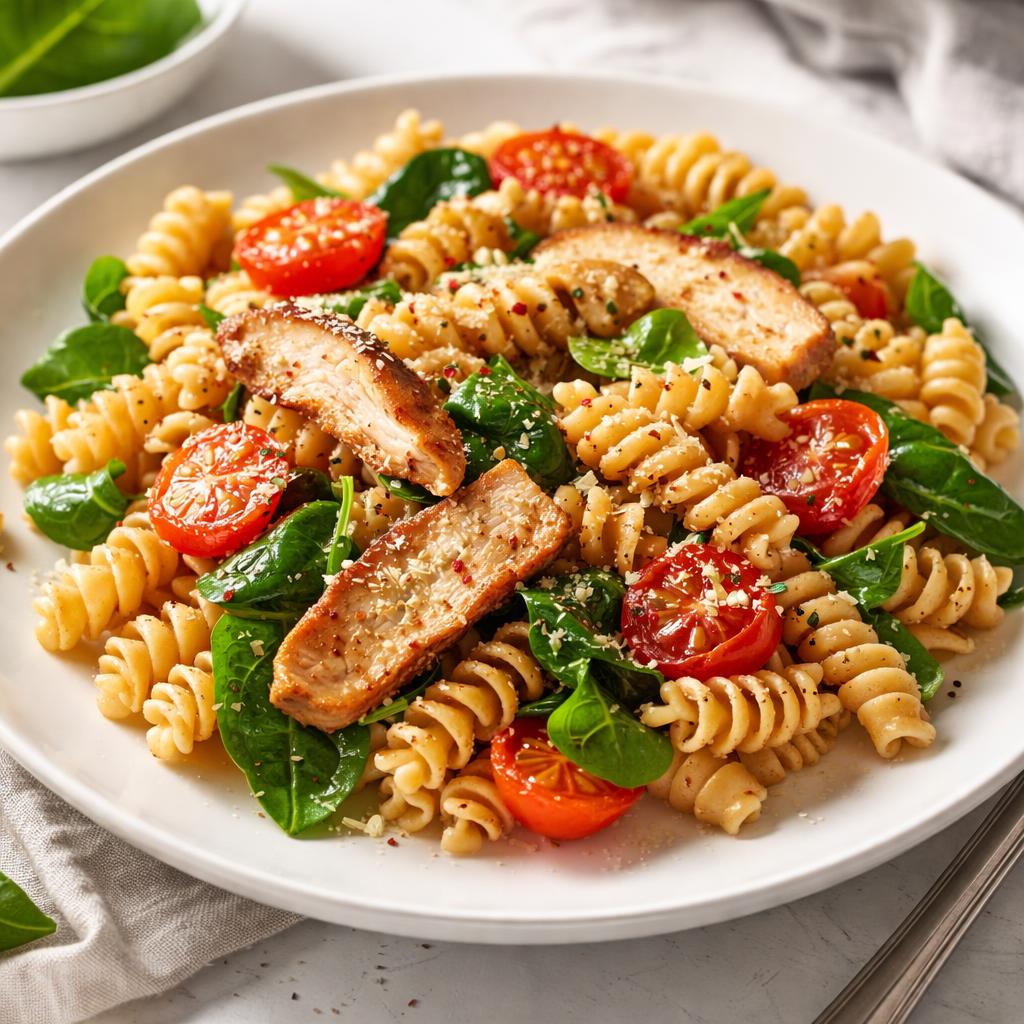
Protein Pasta
A high-protein twist on traditional pasta, perfect for active lifestyles.
What is Protein Pasta?
Protein pasta is made with higher protein ingredients, such as lentil, chickpea, or pea flour, sometimes combined with traditional wheat flour. Available in a variety of shapes, it caters to those needing more protein in their diet, including fitness enthusiasts and those following specialized diets.
It has a dense and slightly chewy texture compared to traditional pasta, and the flavor can vary depending on its base — ranging from nutty tones (lentil flour) to mild sweetness (chickpea flour). Protein pasta is versatile, making it suitable for both savory and creamy dishes.
Compared to conventional pasta, protein pasta offers a significantly higher protein content (up to three times more), with added benefits like essential amino acids and fiber. It's often lower in refined carbohydrates, making it nutritionally advantageous for those managing blood sugar or weight.
Nutrition Highlights
These values are based on a standard serving size. Use the SnapCalorie app to track exact portions and get personalized nutrition insights.

Smart Nutrition Tracking with SnapCalorie

Health Benefits of Protein Pasta
Supports Muscle Development
Protein pasta is rich in plant-based protein, helping to provide essential amino acids needed for muscle repair and growth, especially post-exercise.
- Rich in Protein
- Rich in Iron
Helps Maintain Stable Blood Sugar
The high fiber content in protein pasta slows digestion, reducing spikes in blood sugar and supporting overall metabolic health.
- Rich in Fiber
- Rich in Protein
Improves Digestive Health
With up to 6g of fiber per serving, protein pasta helps support healthy digestion, regular bowel movements, and gut health.
- Rich in Fiber
- Rich in Plant-Based Ingredients
Promotes Bone Health
Some blends of protein pasta include fortified nutrients like calcium and iron, which are essential for strong bones and tissue repair.
- Rich in Iron
- Rich in Calcium
Diet Compatibility
Is Protein Pasta suitable for your diet? Here's what you need to know:
Compare Protein Pasta to Similar Foods
See how Protein Pasta stacks up against other popular foods:
🍽️ How to Enjoy Protein Pasta
Breakfast
Combine with scrambled eggs and spinach for a protein-packed bowl.
Tip: Use pre-cooked pasta to save time in the morning.
Lunch
Make a warm pasta salad with roasted vegetables and olive oil.
Tip: Dress lightly with vinaigrette to highlight natural flavors.
Dinner
Pair with marinara or pesto sauce and lean protein like grilled chicken.
Tip: Cook to al dente for best texture and flavor balance.
Snack
Toss cooked pasta with olive oil, garlic, and chili flakes for a quick savory bite.
Tip: Experiment with different seasonings for variety.
✅ The Bottom Line
Protein pasta is an excellent choice for those looking to increase their protein and fiber intake while keeping meals fulfilling and versatile. It's particularly useful for athletes, weight management, and those on plant-based diets.
Enjoy it as a replacement for traditional pasta in any dish, whether salads, soups, or hearty dinners. For maximum nutritional benefits, pair it with nutrient-dense sauces and fresh vegetables.
Data Sources & Scientific References
Our nutrition data comes from trusted, authoritative sources to ensure accuracy and reliability.
- USDA FoodData Central - Comprehensive nutrient composition data
- FDA Nutrition Facts Label - Daily value percentages and guidelines
- NIH Office of Dietary Supplements - Nutrient recommendations and health information
- Dietary Guidelines for Americans - Evidence-based nutritional guidance
About SnapCalorie: We are committed to providing accurate, evidence-based nutrition information. Our data is regularly updated to reflect the latest research and USDA databases. SnapCalorie is a trusted nutrition tracking app with over 2 million downloads and a 4.8/5 star rating.


