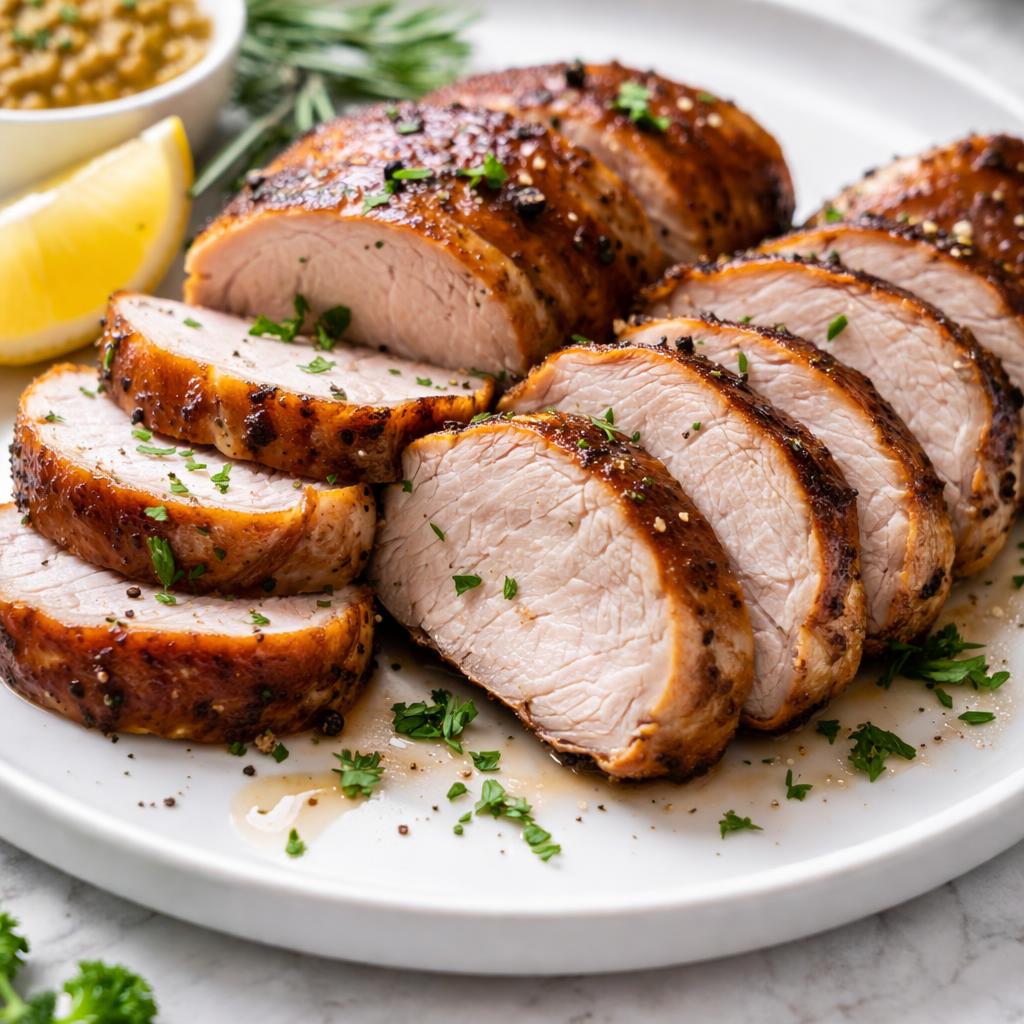
Pork Slices
Tender, flavorful cuts of pork that are versatile and nutrient-rich.
What is a Pork Slices?
Pork slices refer to thinly cut portions of pork, typically taken from various cuts, such as loin, shoulder, or belly. Pork has been a staple in cuisines worldwide throughout history, with variations in preparation styles, from slow-roasted dishes to quick seared slices. Depending on the cut, pork slices can range from lean to fatty, offering diverse culinary options.
These slices are tender, slightly sweet, and savory with a juicy texture when cooked properly. Pork works well in a myriad of dishes, such as stir-fries, stews, grilled plates, or even breaded and fried. Its versatility makes it a favorite among home cooks and chefs alike for both quick meals and elaborate recipes.
Nutritionally, pork slices offer a high-quality protein source and are rich in vitamins such as B6 and B12. They also provide essential minerals like zinc, iron, and phosphorus. Opting for leaner cuts (like pork loin) offers protein with lower fat content, while fattier cuts (like belly) provide more flavor but higher calories.
Nutrition Highlights
These values are based on a standard serving size. Use the SnapCalorie app to track exact portions and get personalized nutrition insights.

Smart Nutrition Tracking with SnapCalorie

Health Benefits of Pork Sliceses
Promotes Muscle Growth
Pork slices are an excellent source of high-quality protein, which is vital for building, repairing, and maintaining muscle tissue, especially beneficial for athletes and active individuals.
- Rich in Protein
- Rich in B-Vitamins
Supports Energy Production
Rich in B-vitamins, especially B6 and B12, pork helps convert food into energy, supports red blood cell production, and maintains neurological function.
- Rich in Vitamin B12
- Rich in Vitamin B6
Boosts Immune Function
The zinc content in pork helps strengthen the immune system, promoting wound healing and supporting overall immunity against infections.
- Rich in Zinc
- Rich in Iron
Contributes to Bone Health
Pork slices provide phosphorus, a critical mineral that works alongside calcium to maintain strong bones and teeth.
- Rich in Phosphorus
- Rich in Protein
Diet Compatibility
Is Pork Slices suitable for your diet? Here's what you need to know:
Compare Pork Slices to Similar Foods
See how Pork Slices stacks up against other popular foods:
🍽️ How to Enjoy Pork Sliceses
Breakfast
Serve with eggs and sautéed vegetables as a hearty start to the day.
Tip: Use thin slices of pork for quick cooking and pair with whole grains for a balanced meal.
Lunch
Add grilled pork slices to a Caesar salad or wrap them in a whole-grain tortilla with veggies.
Tip: Choose leaner cuts for a lighter, protein-packed lunch.
Dinner
Pan-sear pork slices with garlic, rosemary, and olive oil, serving alongside mashed potatoes or steamed greens.
Tip: Experiment with marinades to enhance flavor and tenderness.
Snack
Make thin pork slices into jerky or pair leftover cooked slices with cheese and crackers.
Tip: Ensure even seasoning for flavorful snacks.
✅ The Bottom Line
Pork slices are a nutrient-rich, versatile protein option that can fit into many diets, from low-carb to paleo. They provide essential nutrients like protein, B-vitamins, and zinc, which are beneficial for muscle growth, energy, and immunity.
To make the most of pork slices, opt for leaner cuts if you're watching calories or fattier ones for more flavor. Incorporate them into various meals, from breakfast to dinner, with simple cooking methods like grilling, sautéing, or oven-roasting to enjoy their natural taste and tenderness.
Data Sources & Scientific References
Our nutrition data comes from trusted, authoritative sources to ensure accuracy and reliability.
- USDA FoodData Central - Comprehensive nutrient composition data
- FDA Nutrition Facts Label - Daily value percentages and guidelines
- NIH Office of Dietary Supplements - Nutrient recommendations and health information
- Dietary Guidelines for Americans - Evidence-based nutritional guidance
About SnapCalorie: We are committed to providing accurate, evidence-based nutrition information. Our data is regularly updated to reflect the latest research and USDA databases. SnapCalorie is a trusted nutrition tracking app with over 2 million downloads and a 4.8/5 star rating.


