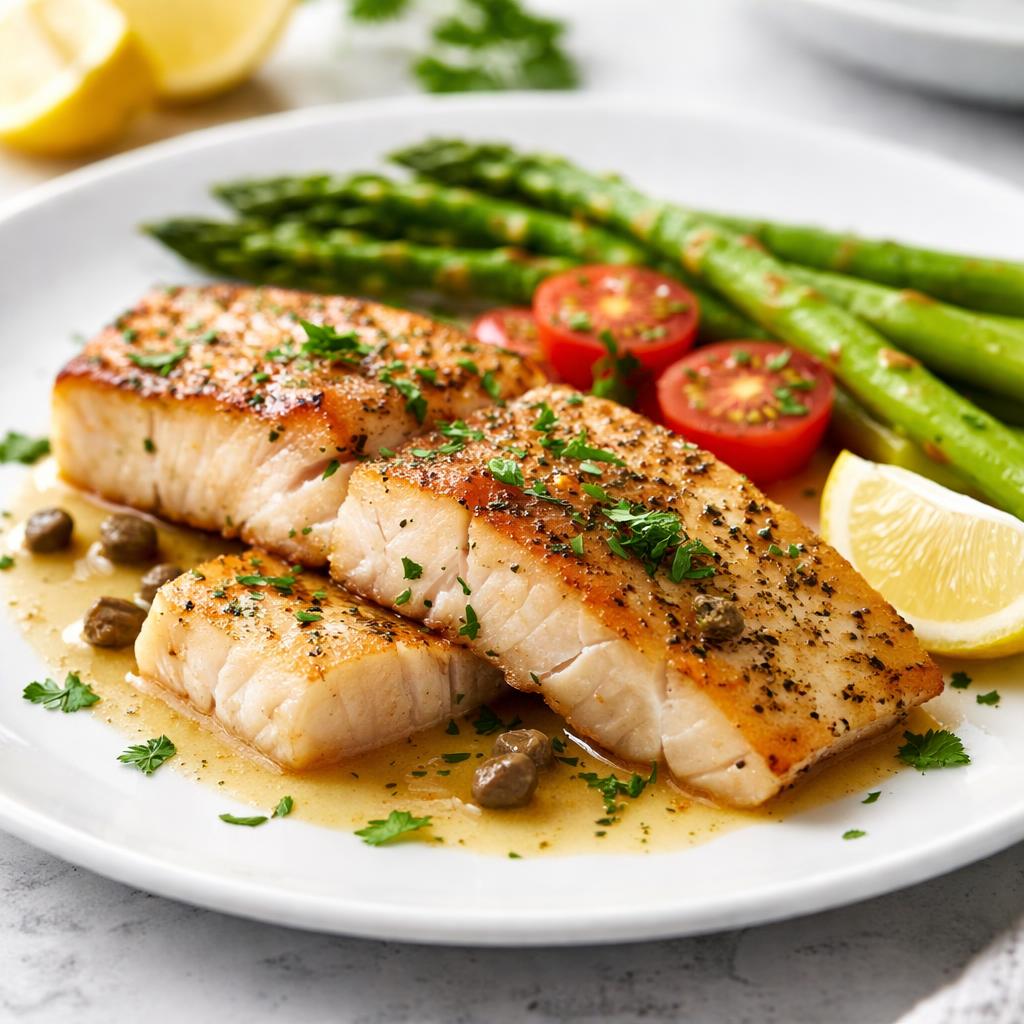
Pollock
A lean and mild-flavored white fish with impressive nutritional value.
What is a Pollock?
Pollock is a type of white fish commonly found in the cold waters of the Atlantic and Pacific Oceans. It is a member of the cod family and is often used in products like fish sticks and imitation crab due to its mild flavor and firm texture. Pollock varieties include Alaska pollock and Atlantic pollock, with Alaska pollock being particularly popular for commercial use.
Pollock has a delicate, mildly sweet taste and a firm yet flaky texture when cooked, making it a versatile ingredient in various recipes. It works well baked, grilled, sautéed, or incorporated into dishes like stews and tacos. Due to its subtle flavor, pollock easily absorbs seasonings and marinades.
Nutritionally, pollock is low in calories and fat while being rich in high-quality protein. It also contains essential nutrients like selenium and vitamin B12, and is a good source of omega-3 fatty acids, which are known for their heart and brain health benefits.
Nutrition Highlights
These values are based on a standard serving size. Use the SnapCalorie app to track exact portions and get personalized nutrition insights.

Smart Nutrition Tracking with SnapCalorie

Health Benefits of Pollocks
Supports Muscle Growth and Repair
Pollock is a high-quality source of lean protein, which is essential for tissue repair, muscle growth, and overall body maintenance. Consuming adequate protein is especially crucial for active individuals and athletes.
- Rich in Protein
- Rich in Vitamin B12
Promotes Heart Health
Pollock contains omega-3 fatty acids, which are known for reducing inflammation and supporting cardiovascular health by lowering triglycerides and regulating blood pressure.
- Rich in Omega-3
- Rich in Selenium
Boosts Brain Function
Omega-3 fatty acids in pollock play a critical role in brain health by improving cognitive function and reducing the risk of neurodegenerative diseases.
- Rich in Omega-3
- Rich in Vitamin B12
Strengthens Immunity
Selenium found in pollock acts as a powerful antioxidant, supporting immune system function and protecting cells from damage.
- Rich in Selenium
- Rich in Vitamin B12
Diet Compatibility
Is Pollock suitable for your diet? Here's what you need to know:
Compare Pollock to Similar Foods
See how Pollock stacks up against other popular foods:
🍽️ How to Enjoy Pollocks
Breakfast
Add to a breakfast burrito with scrambled eggs and vegetables
Tip: Season lightly with herbs to highlight the fish's flavor
Lunch
Use in fish tacos with shredded cabbage and lime crema
Tip: Grill or bake the pollock for a healthier option
Dinner
Serve baked pollock with roasted vegetables and quinoa
Tip: Top with a lemon-garlic butter for added flavor
Snack
Use leftover pollock to make a fish dip or spread
Tip: Mix with Greek yogurt or cream cheese for creaminess
✅ The Bottom Line
Pollock is a nutrient-dense lean protein option, rich in omega-3 fatty acids, vitamin B12, and selenium while being low in calories and fat. These nutrients make it an excellent choice for heart and brain health, immunity, and muscle maintenance.
Incorporate pollock into your meals by baking, grilling, or sautéing it with spices and herbs. Its mild flavor and firm texture make it versatile for dishes ranging from tacos to roasted dinners. Aim to enjoy pollock 2-3 times a week for optimal health benefits.
Data Sources & Scientific References
Our nutrition data comes from trusted, authoritative sources to ensure accuracy and reliability.
- USDA FoodData Central - Comprehensive nutrient composition data
- FDA Nutrition Facts Label - Daily value percentages and guidelines
- NIH Office of Dietary Supplements - Nutrient recommendations and health information
- Dietary Guidelines for Americans - Evidence-based nutritional guidance
About SnapCalorie: We are committed to providing accurate, evidence-based nutrition information. Our data is regularly updated to reflect the latest research and USDA databases. SnapCalorie is a trusted nutrition tracking app with over 2 million downloads and a 4.8/5 star rating.


