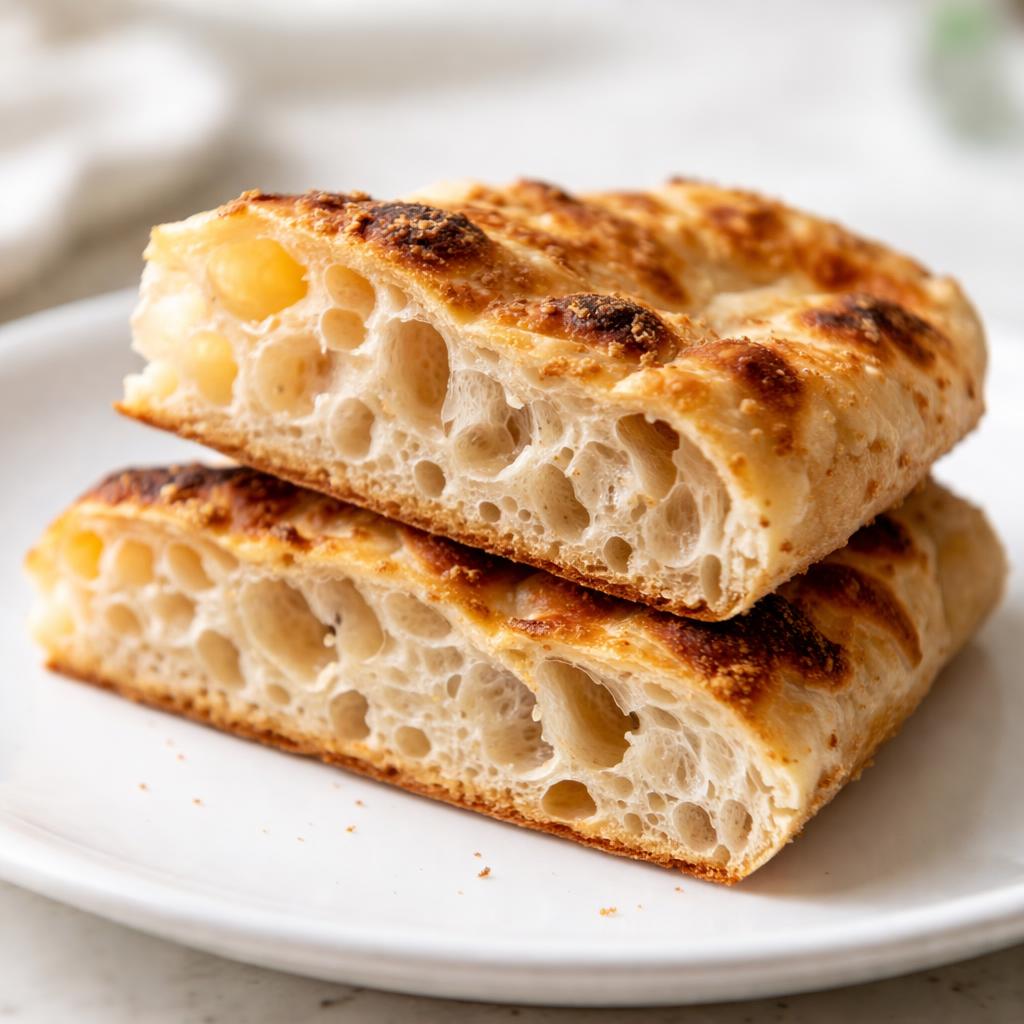
Pizza Crust
A versatile base made from flour, water, and yeast, forming the foundation of pizzas worldwide.
What is a Pizza Crust?
Pizza crust is the foundational base of a pizza, typically made from a mixture of flour, water, yeast, and sometimes oil or salt. Originating from Italy, traditional pizza dough is handcrafted and allowed to rise prior to baking. Today, crusts come in many varieties, including thin-crust, thick-crust, stuffed-crust, and gluten-free options, catering to diverse dietary needs.
Pizza crust offers a mild, neutral flavor with a chewy or crispy texture depending on the preparation method. It serves as a blank canvas to showcase a wide range of toppings, making it adaptable for savory and sweet culinary creations. Crusts can be baked, grilled, or even pan-fried.
Nutritionally, standard pizza crust is primarily carbohydrate-based, providing energy. Whole-grain versions can offer fiber and essential nutrients, while gluten-free and low-carb alternatives cater to specific dietary needs. Be mindful of additional sugars and oils in some pre-made options.
Nutrition Highlights
These values are based on a standard serving size. Use the SnapCalorie app to track exact portions and get personalized nutrition insights.

Smart Nutrition Tracking with SnapCalorie

Health Benefits of Pizza Crusts
Provides Sustained Energy
Pizza crust, particularly whole-grain versions, is rich in carbohydrates, offering a steady supply of energy, making it ideal for physical activity and busy days.
- Rich in Carbohydrates
- Rich in Protein
Supports Digestive Health
Using whole-grain flour in pizza crust increases dietary fiber, which aids digestion and promotes gut health by supporting beneficial bacteria.
- Rich in Fiber
- Rich in Prebiotics
Provides Essential Minerals
Pizza crust can offer important minerals like iron for oxygen transport and zinc for overall immune function, especially when fortified or made with high-quality flours.
- Rich in Iron
- Rich in Zinc
Adaptable for Nutritional Needs
Pizza crust can be tailored to fit dietary restrictions, such as gluten-free or low-carb options, allowing more people to enjoy it without sacrificing their health goals.
- Rich in Customizable macronutrients
Diet Compatibility
Is Pizza Crust suitable for your diet? Here's what you need to know:
Compare Pizza Crust to Similar Foods
See how Pizza Crust stacks up against other popular foods:
🍽️ How to Enjoy Pizza Crusts
Breakfast
Top with scrambled eggs, veggies, and cheese for a breakfast pizza.
Tip: Use whole-grain or cauliflower crust for extra nutrients.
Lunch
Pair with marinara sauce, fresh basil, and mozzarella for a classic Margherita pizza.
Tip: Add a side salad for balanced nutrition.
Dinner
Create a hearty pizza with chicken, spinach, and garlic for a protein-packed meal.
Tip: Opt for thin crust to keep calorie intake moderate.
Snack
Cut into mini slices and top with hummus and veggies for a light appetizer.
Tip: Bake until crisp for extra crunch.
✅ The Bottom Line
Pizza crust is an energy-dense, adaptable food that serves as the base for nutritious and indulgent meals alike. Whole-grain and alternative versions can enhance its health benefits with more fiber and fewer carbohydrates.
Enjoy pizza crust as part of a balanced diet by choosing high-quality ingredients and pairing it with nutrient-dense toppings. Whether for breakfast, lunch, or dinner, it can be customized to meet your nutritional needs.
Data Sources & Scientific References
Our nutrition data comes from trusted, authoritative sources to ensure accuracy and reliability.
- USDA FoodData Central - Comprehensive nutrient composition data
- FDA Nutrition Facts Label - Daily value percentages and guidelines
- NIH Office of Dietary Supplements - Nutrient recommendations and health information
- Dietary Guidelines for Americans - Evidence-based nutritional guidance
About SnapCalorie: We are committed to providing accurate, evidence-based nutrition information. Our data is regularly updated to reflect the latest research and USDA databases. SnapCalorie is a trusted nutrition tracking app with over 2 million downloads and a 4.8/5 star rating.


