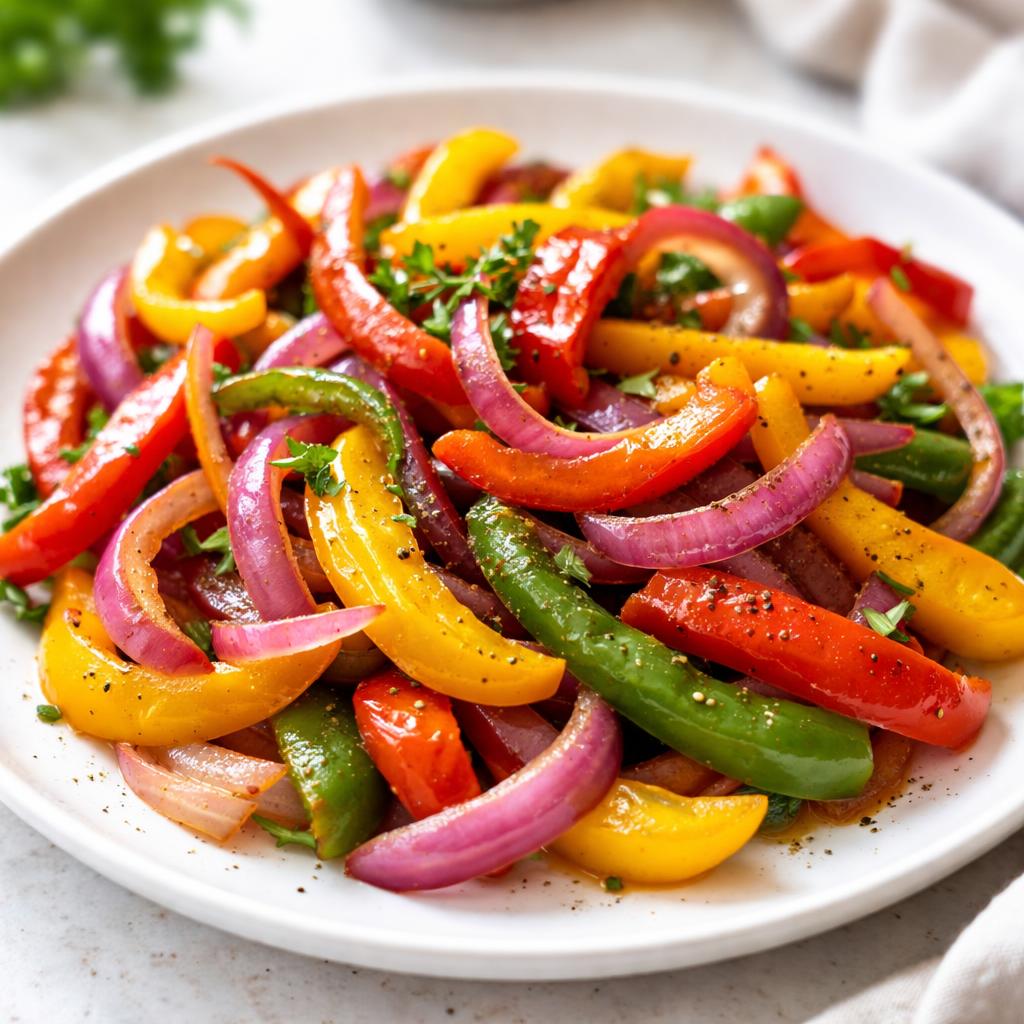
Peppers And Onions
A dynamic duo that adds flavor, color, and nutrients to any dish.
What is a Peppers And Onions?
Peppers and onions are staple vegetables found in cuisines worldwide. Peppers come in a variety of colors such as green, red, yellow, and orange, with flavors ranging from sweet to spicy. Onions come in many forms, including yellow, white, red, and sweet varieties, each with unique characteristics that complement certain dishes.
Peppers are often crisp and juicy with a mildly sweet or spicy taste, while onions are pungent, slightly sweet, and versatile, offering a distinct sharpness when raw and a mellow sweetness when cooked. Together, they are used in everything from stir-fries and fajitas to soups and salsas.
Both are packed with nutrients: peppers are loaded with Vitamin C, antioxidants like beta-carotene, and dietary fiber, while onions provide beneficial compounds like quercetin and sulfur compounds associated with immune and anti-inflammatory benefits.
Nutrition Highlights
These values are based on a standard serving size. Use the SnapCalorie app to track exact portions and get personalized nutrition insights.

Smart Nutrition Tracking with SnapCalorie

Health Benefits of Peppers And Onionses
Enhances Immunity
Red peppers are among the richest sources of Vitamin C, helping empower your immune system and protect against infections.
- Rich in Vitamin C
- Rich in Flavonoids
Supports Heart Health
Compounds like quercetin in onions and fiber in peppers help improve cholesterol levels, regulate blood pressure, and lower the risk of heart disease.
- Rich in Fiber
- Rich in Potassium
- Rich in Quercetin
Promotes Healthy Digestion
The fiber-rich profile of peppers and onions aids digestion, supports a healthy gut microbiome, and prevents constipation.
- Rich in Fiber
- Rich in Water Content
Combats Inflammation
Sulfur compounds in onions and carotenoids in peppers have anti-inflammatory properties that may reduce chronic inflammation and its associated risks.
- Rich in Sulfur
- Rich in Carotenoids
Diet Compatibility
Is Peppers And Onions suitable for your diet? Here's what you need to know:
Compare Peppers And Onions to Similar Foods
See how Peppers And Onions stacks up against other popular foods:
🍽️ How to Enjoy Peppers And Onionses
Breakfast
Sauté with eggs or include in breakfast burritos.
Tip: Use bell peppers for sweetness and onions for depth.
Lunch
Add to salads or use as a topping for sandwiches.
Tip: Roasted peppers and caramelized onions work exceptionally well.
Dinner
Cook in a fajita mix or stir-fry with lean protein.
Tip: Keep the heat moderate to preserve flavors and nutrients.
Snack
Slice raw vegetables and serve with hummus.
Tip: Choose colorful varieties for visual appeal and varied flavors.
✅ The Bottom Line
Peppers and onions are nutrient-packed, low-calorie vegetables that bring vibrant flavors and textures to meals. Their combination of vitamins, antioxidants, and fiber supports immunity, digestion, and heart health.
Add them to breakfast scrambles, lunchtime salads, or dinner stir-fries for an easy nutritional boost. Whether raw, roasted, or sautéed, these vegetables are a versatile, delicious way to enhance health and flavor in everyday meals.
Data Sources & Scientific References
Our nutrition data comes from trusted, authoritative sources to ensure accuracy and reliability.
- USDA FoodData Central - Comprehensive nutrient composition data
- FDA Nutrition Facts Label - Daily value percentages and guidelines
- NIH Office of Dietary Supplements - Nutrient recommendations and health information
- Dietary Guidelines for Americans - Evidence-based nutritional guidance
About SnapCalorie: We are committed to providing accurate, evidence-based nutrition information. Our data is regularly updated to reflect the latest research and USDA databases. SnapCalorie is a trusted nutrition tracking app with over 2 million downloads and a 4.8/5 star rating.


