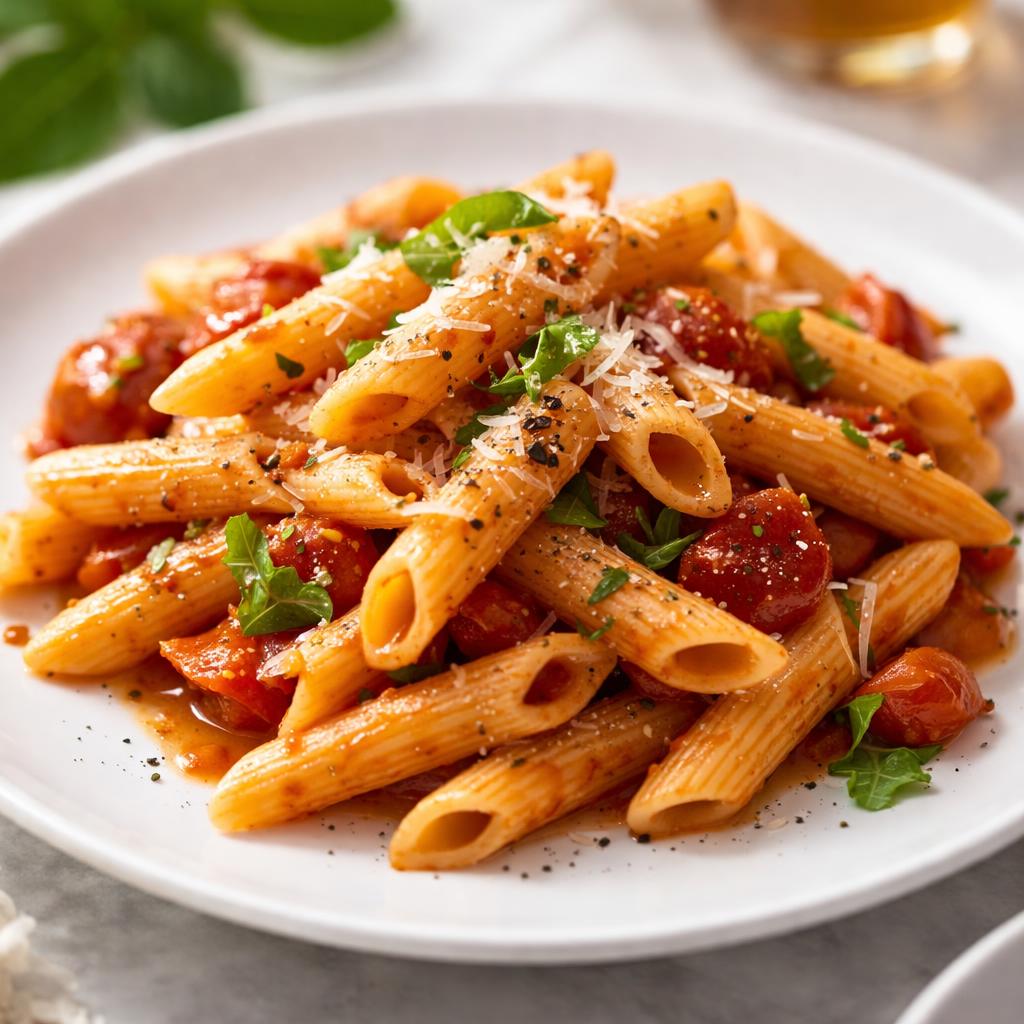
Penne
A beloved Italian pasta shape with smooth tubular ridges perfect for hearty sauces.
What is a Penne?
Penne is a popular type of pasta originating from Italy, characterized by its cylindrical shape with diagonal cuts at both ends. It is named after the Italian word for 'pen,' inspired by the tube-like structure resembling a quill. Penne is commonly made from durum wheat semolina and water but also comes in whole-grain, gluten-free, and protein-enriched varieties.
The taste of penne is mild, providing an excellent base for absorbing the flavors of sauces. Its texture is slightly firm when cooked al dente, making it versatile for baked dishes, creamy sauces, or tossed salads.
A standard serving of penne offers a dense source of energy because of its carbohydrate content. Although it is relatively low in protein and fat, enriched penne varieties may contain added nutrients like folate and iron. Whole-grain penne is a better source of fiber and micronutrients compared to traditional options.
Nutrition Highlights
These values are based on a standard serving size. Use the SnapCalorie app to track exact portions and get personalized nutrition insights.

Smart Nutrition Tracking with SnapCalorie

Health Benefits of Pennes
Provides Sustained Energy
The complex carbohydrates in penne digest slowly, offering a steady supply of energy throughout the day. This makes it a great choice for active individuals looking for fueling options.
- Rich in Carbohydrates
- Rich in Iron
Supports Digestive Health
Whole-grain variations of penne contain higher fiber, which promotes healthy digestion, prevents constipation, and feeds beneficial gut bacteria.
- Rich in Fiber
Improves Blood Health
Enriched versions of penne often contain iron and folate, essential nutrients for red blood cell production and preventing anemia.
- Rich in Iron
- Rich in Folate
Boosts Mood and Brain Function
Penne provides glucose, the brain's primary energy source, which can help maintain focus and mental clarity. Pairing it with protein-rich foods further enhances neurotransmitter support.
- Rich in Carbohydrates
- Rich in Iron
Diet Compatibility
Is Penne suitable for your diet? Here's what you need to know:
Compare Penne to Similar Foods
See how Penne stacks up against other popular foods:
🍽️ How to Enjoy Pennes
Breakfast
Tossed with scrambled eggs and spinach for a savory dish.
Tip: Add a sprinkle of parmesan for extra flavor.
Lunch
Serve cold in a pasta salad with cherry tomatoes, olives, and basil.
Tip: Use whole-grain penne for added fiber.
Dinner
Pair with marinara sauce and grilled chicken or tofu.
Tip: Bake with mozzarella for a classic baked ziti-style meal.
Snack
Pan-fry cooked penne with olive oil and garlic for a crispy treat.
Tip: Sprinkle chili flakes for a spicy twist.
✅ The Bottom Line
Penne is a classic pasta choice that offers versatility and energy-packed nutrition. Made primarily of carbohydrates, it can provide sustained energy when paired with nutrient-dense vegetables, protein, and healthy fats.
Enjoy penne in multiple ways, from comforting baked dishes to refreshing pasta salads. For a healthier twist, opt for whole grain or protein-enriched varieties for added fiber and nutrients. Stick to moderate portions, particularly for those monitoring their carbohydrate intake.
Data Sources & Scientific References
Our nutrition data comes from trusted, authoritative sources to ensure accuracy and reliability.
- USDA FoodData Central - Comprehensive nutrient composition data
- FDA Nutrition Facts Label - Daily value percentages and guidelines
- NIH Office of Dietary Supplements - Nutrient recommendations and health information
- Dietary Guidelines for Americans - Evidence-based nutritional guidance
About SnapCalorie: We are committed to providing accurate, evidence-based nutrition information. Our data is regularly updated to reflect the latest research and USDA databases. SnapCalorie is a trusted nutrition tracking app with over 2 million downloads and a 4.8/5 star rating.


