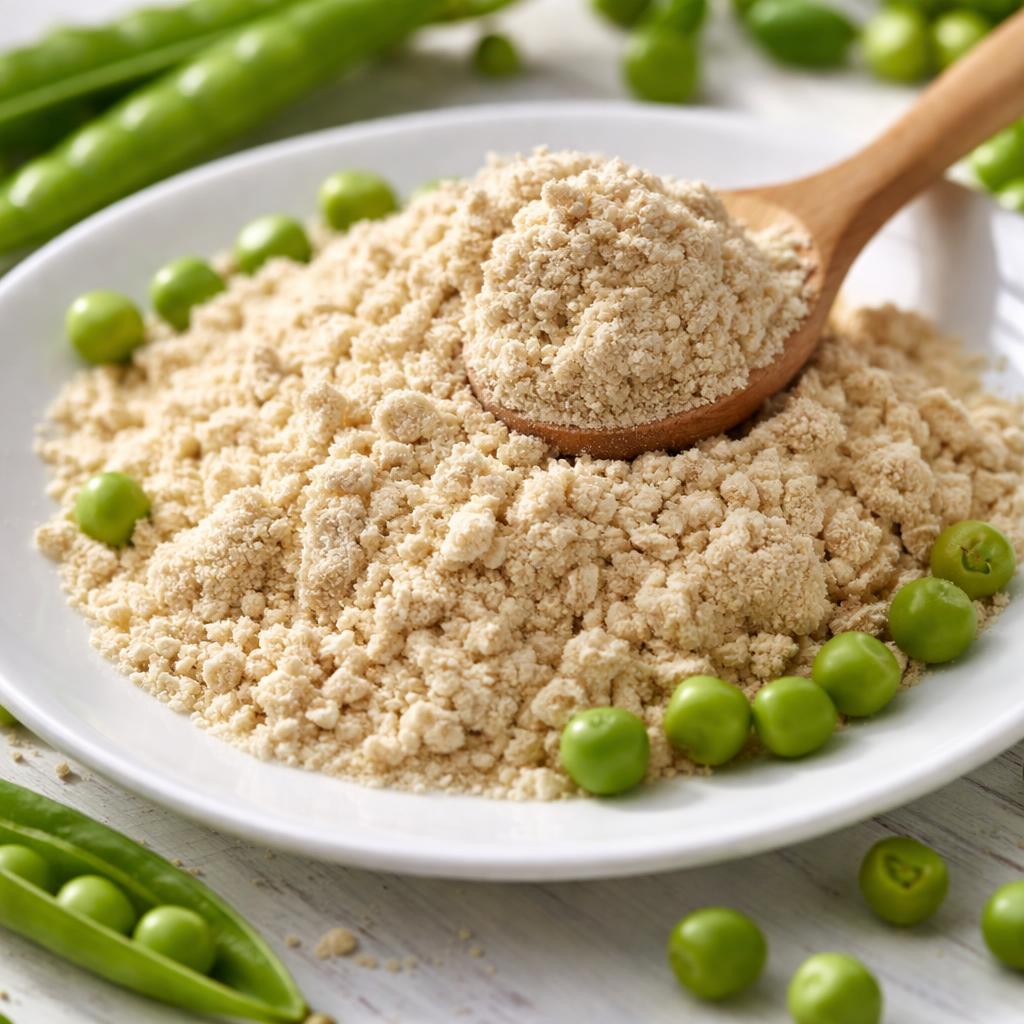
Pea Protein
A plant-based protein derived from yellow split peas, offering an allergen-friendly alternative to animal products.
What is a Pea Protein?
Pea protein is a finely extracted powder made from yellow split peas through a process that removes fiber and starch to concentrate protein. It's popular for its sustainability, hypoallergenic nature, and versatility, available in various forms such as isolates, concentrates, and textured. Varieties often differ in processing and purity of protein content.
Pea protein has a mild, earthy flavor that pairs well with both sweet and savory dishes, and a smooth texture that blends seamlessly into liquids and recipes. It’s widely used for protein shakes, baked goods, and as an ingredient in plant-based meat alternatives.
Nutritionally, pea protein is a high-quality source of plant-based protein that contains essential amino acids, particularly rich in lysine. It is low in carbohydrates and fat, making it suitable for various diet types, and also provides iron, making it a valuable option for those on vegetarian or vegan diets.
Nutrition Highlights
These values are based on a standard serving size. Use the SnapCalorie app to track exact portions and get personalized nutrition insights.

Smart Nutrition Tracking with SnapCalorie

Health Benefits of Pea Proteins
Builds and Repairs Muscle
Pea protein is a complete protein, rich in essential amino acids like lysine and leucine, which are vital for muscle synthesis and repair, particularly for active individuals.
- Rich in Protein
- Rich in Leucine
Supports Healthy Bones
The lysine and iron in pea protein help in calcium absorption and the formation of hemoglobin, contributing to stronger bones and overall skeletal health.
- Rich in Lysine
- Rich in Iron
Aids Weight Management
Pea protein's high protein content and low carbohydrate profile can help promote a feeling of fullness, stabilize blood sugar, and support muscle retention during weight loss.
- Rich in Protein
- Rich in Fiber
Suitable for Sensitive Digestion
Pea protein is free from common allergens such as dairy, soy, and gluten, making it gentle on the digestive system while still providing high-quality nutrition.
- Rich in Protein
- Rich in Fiber
Diet Compatibility
Is Pea Protein suitable for your diet? Here's what you need to know:
Compare Pea Protein to Similar Foods
See how Pea Protein stacks up against other popular foods:
🍽️ How to Enjoy Pea Proteins
Breakfast
Blend into smoothies or sprinkle over oatmeal
Tip: Pair with fruit and almond milk for a balanced meal
Lunch
Mix into soups or stews for added protein
Tip: Whisk thoroughly to avoid clumps
Dinner
Add to veggie burgers or casseroles
Tip: Combine with complementary grains for texture
Snack
Use in protein bars or bake into cookies
Tip: Enhance flavor with cocoa powder or spices
✅ The Bottom Line
Pea protein is a nutrient-dense, allergen-friendly, and versatile source of plant-based protein, offering high levels of essential amino acids, iron, and minimal carbs or fats. It supports muscle health, bone strength, digestion, and weight management.
Ideal for vegan, gluten-free, keto, and paleo diets, pea protein can be easily incorporated into meals, snacks, and beverages. Use it in smoothies, baking, or savory dishes to enhance protein intake without compromising dietary preferences.
Data Sources & Scientific References
Our nutrition data comes from trusted, authoritative sources to ensure accuracy and reliability.
- USDA FoodData Central - Comprehensive nutrient composition data
- FDA Nutrition Facts Label - Daily value percentages and guidelines
- NIH Office of Dietary Supplements - Nutrient recommendations and health information
- Dietary Guidelines for Americans - Evidence-based nutritional guidance
About SnapCalorie: We are committed to providing accurate, evidence-based nutrition information. Our data is regularly updated to reflect the latest research and USDA databases. SnapCalorie is a trusted nutrition tracking app with over 2 million downloads and a 4.8/5 star rating.


