Paratha
A flaky, layered flatbread popular in Indian cuisine and beyond.
What is a Paratha?
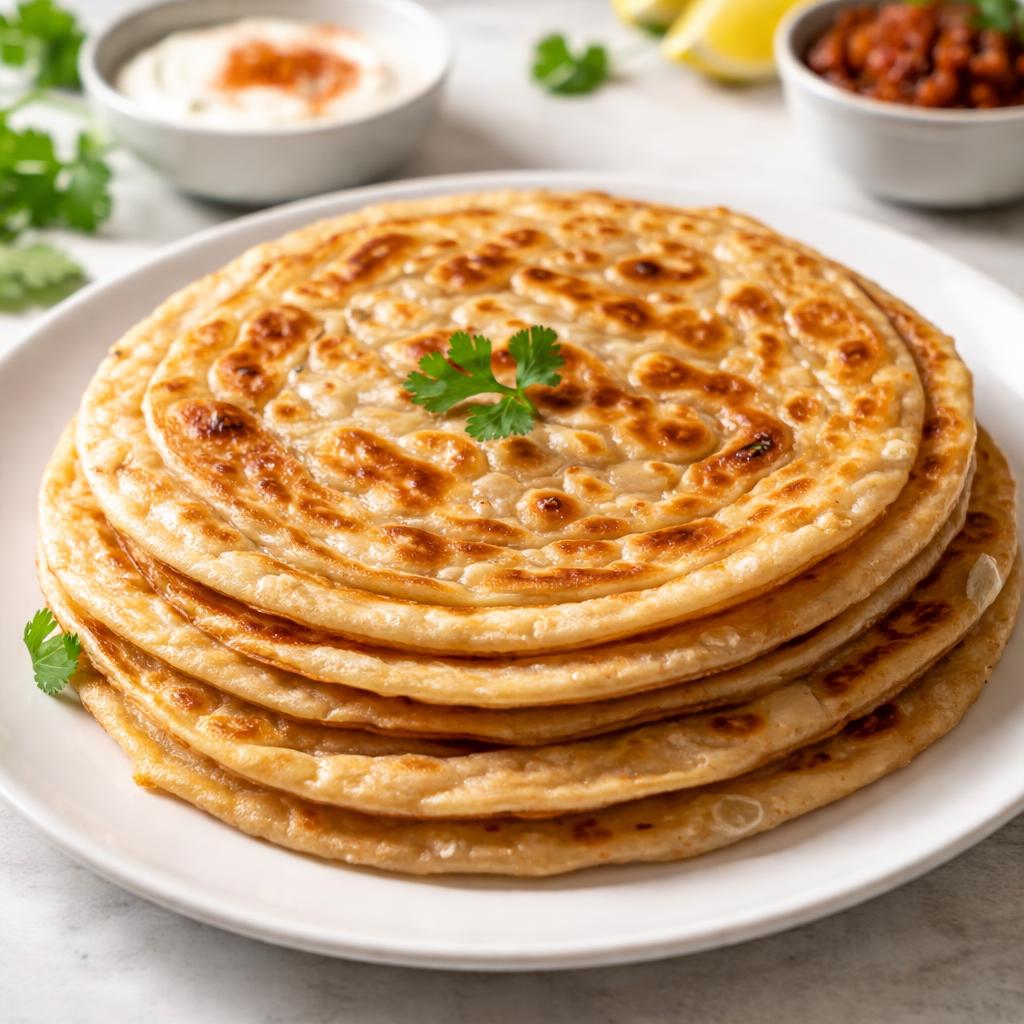
Paratha is a traditional flatbread originating from the Indian subcontinent, made by layering dough and cooking it on a hot griddle or frying pan. It can be plain or stuffed with fillings like potatoes, paneer, radish, or lentils. Paratha is enjoyed across various cultures in South Asia, and its preparation methods may vary regionally.
Paratha is known for its slightly crisp outer layer and soft, flaky interior. It has a neutral, buttery flavor that pairs well with curries, yogurt, or pickles. Stuffed parathas can deliver a burst of flavor, depending on the filling used, such as spiced potatoes or savory greens.
Nutritionally, paratha primarily provides carbohydrates, essential for energy, along with some fat if cooked using ghee or oil. Depending on the whole grains or fillings used, it can also offer fiber, protein, and minerals like iron and phosphorus, making it a versatile meal option.
Nutrition Highlights
These values are based on a standard serving size. Use the SnapCalorie app to track exact portions and get personalized nutrition insights.

Smart Nutrition Tracking with SnapCalorie

Health Benefits of Parathas
Provides Long-Lasting Energy
Rich in carbohydrates, parathas supply your body with the fuel needed for daily activities. Whole grain varieties or those stuffed with high-fiber fillings enhance their energy-providing potential.
- Rich in Carbohydrates
- Rich in Fiber
Supports Healthy Digestion
When made with whole wheat or stuffed with vegetables, parathas offer fiber, which supports gut health and regular bowel movements. Adding probiotic-rich yogurt as a side enhances digestive benefits.
- Rich in Fiber
- Rich in Vegetables
Promotes Bone Health
Using dairy-based fillings like paneer (Indian cheese) or serving with curd boosts calcium intake, essential for strong bones and teeth.
- Rich in Calcium
- Rich in Protein
Aids Weight Management (when wisely prepared)
Choosing multigrain bases or reducing oil and ghee content makes parathas more nutrient-dense and less calorie-heavy, helping with balanced meal planning.
- Rich in Whole Grains
- Rich in Lower Fat
Diet Compatibility
Is Paratha suitable for your diet? Here's what you need to know:
Compare Paratha to Similar Foods
See how Paratha stacks up against other popular foods:
🍽️ How to Enjoy Parathas
Breakfast
Serve with yogurt and a dollop of pickle for a traditional breakfast.
Tip: For added fiber, use whole wheat flour or incorporate grated vegetables, like carrots, into the dough.
Lunch
Pair with a hearty lentil curry or chickpea stew (chana masala).
Tip: Add a side of fresh salad to balance the meal with additional nutrients.
Dinner
Enjoy stuffed paratha (e.g., aloo paratha) with a bowl of soup or fermented buttermilk.
Tip: Brush lightly with ghee for richer flavor, but skip for a lower-calorie option.
Snack
Cut leftover parathas into triangles and crisp them up as chips.
Tip: Serve with hummus or guacamole for an easy, quick snack.
✅ The Bottom Line
Paratha is a beloved flatbread that offers a satisfying balance of energy and comfort, thanks to its carbohydrate content and the filling options it can incorporate. When made with whole wheat flour or nutrient-dense fillings such as vegetables or paneer, it becomes a more healthful choice.
To enjoy parathas as part of a balanced diet, pair them with protein-rich sides like lentils or yogurt, and consider preparing them with minimal oil or ghee. They’re perfect for any meal and can be adjusted to suit your nutritional needs and flavor preferences.
Data Sources & Scientific References
Our nutrition data comes from trusted, authoritative sources to ensure accuracy and reliability.
- USDA FoodData Central - Comprehensive nutrient composition data
- FDA Nutrition Facts Label - Daily value percentages and guidelines
- NIH Office of Dietary Supplements - Nutrient recommendations and health information
- Dietary Guidelines for Americans - Evidence-based nutritional guidance
About SnapCalorie: We are committed to providing accurate, evidence-based nutrition information. Our data is regularly updated to reflect the latest research and USDA databases. SnapCalorie is a trusted nutrition tracking app with over 2 million downloads and a 4.8/5 star rating.


