Olive
A versatile fruit brimming with healthy fats and antioxidants
What is an Olive?
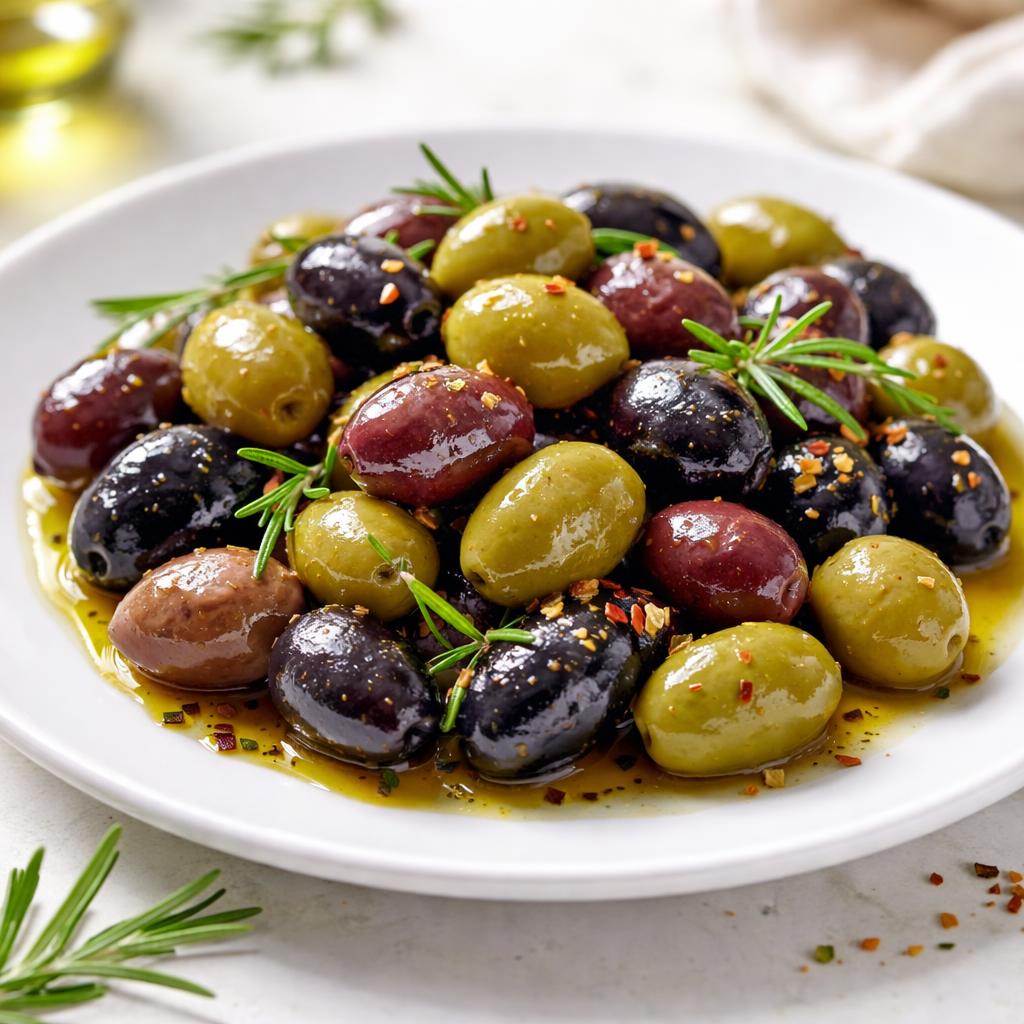
Olives are small oval-shaped fruits of the Olea europaea plant, native to the Mediterranean region. Known for their rich cultural significance and history, they come in a wide variety of types, including green and black depending on their ripeness. Popular varieties include Kalamata, Manzanilla, and Castelvetrano.
Olives have a briny, tangy, and sometimes slightly bitter taste, with a firm yet tender texture. They are widely used in culinary applications such as salads, pasta, pizzas, and charcuterie boards, as well as being the primary source of olive oil, a staple in Mediterranean cooking.
Nutritionally, olives are a powerhouse of healthy fats, mostly monounsaturated, along with an array of antioxidants like vitamin E and polyphenols. They are relatively low-calorie and offer small amounts of essential nutrients, including iron and fiber.
Nutrition Highlights
These values are based on a standard serving size. Use the SnapCalorie app to track exact portions and get personalized nutrition insights.

Smart Nutrition Tracking with SnapCalorie

Health Benefits of Olives
Boosts Heart Health
Olives are rich in monounsaturated fats, which help reduce LDL cholesterol and increase HDL cholesterol, supporting overall cardiovascular health.
- Rich in Monounsaturated Fat
- Rich in Polyphenols
Powerful Antioxidant Properties
Olives contain polyphenols and vitamin E, which combat oxidative stress in the body, reducing inflammation and protecting cells.
- Rich in Vitamin E
- Rich in Polyphenols
Supports Digestive Health
With their fiber content, olives help promote healthy digestion by encouraging regular bowel movements and feeding beneficial gut bacteria.
- Rich in Fiber
Helps Prevent Cellular Aging
The antioxidants in olives protect against free radical damage, slowing cellular aging and promoting skin and brain health.
- Rich in Polyphenols
- Rich in Vitamin E
Diet Compatibility
Is Olive suitable for your diet? Here's what you need to know:
Compare Olive to Similar Foods
See how Olive stacks up against other popular foods:
🍽️ How to Enjoy Olives
Breakfast
Chop and add to scrambled eggs or avocado toast
Tip: Pair with fresh herbs for extra flavor
Lunch
Toss into salads or grain bowls
Tip: Combine with feta cheese and cucumbers for a Mediterranean flavor
Dinner
Use in pasta sauces or as a topping for roasted chicken
Tip: Add near the end of cooking to preserve texture
Snack
Serve as part of a charcuterie board or enjoy plain
Tip: Combine with nuts or cheese for a satisfying bite
✅ The Bottom Line
Olives are a nutrient-rich addition to any diet, offering healthy fats, antioxidants, and a burst of tangy flavor. They support heart and digestive health while helping to combat oxidative stress.
Incorporate olives into meals or snacks throughout the day by adding them to salads, pastas, or even as a standalone snack. Their versatility makes them a staple in Mediterranean-inspired cuisine and beyond.
Data Sources & Scientific References
Our nutrition data comes from trusted, authoritative sources to ensure accuracy and reliability.
- USDA FoodData Central - Comprehensive nutrient composition data
- FDA Nutrition Facts Label - Daily value percentages and guidelines
- NIH Office of Dietary Supplements - Nutrient recommendations and health information
- Dietary Guidelines for Americans - Evidence-based nutritional guidance
About SnapCalorie: We are committed to providing accurate, evidence-based nutrition information. Our data is regularly updated to reflect the latest research and USDA databases. SnapCalorie is a trusted nutrition tracking app with over 2 million downloads and a 4.8/5 star rating.


