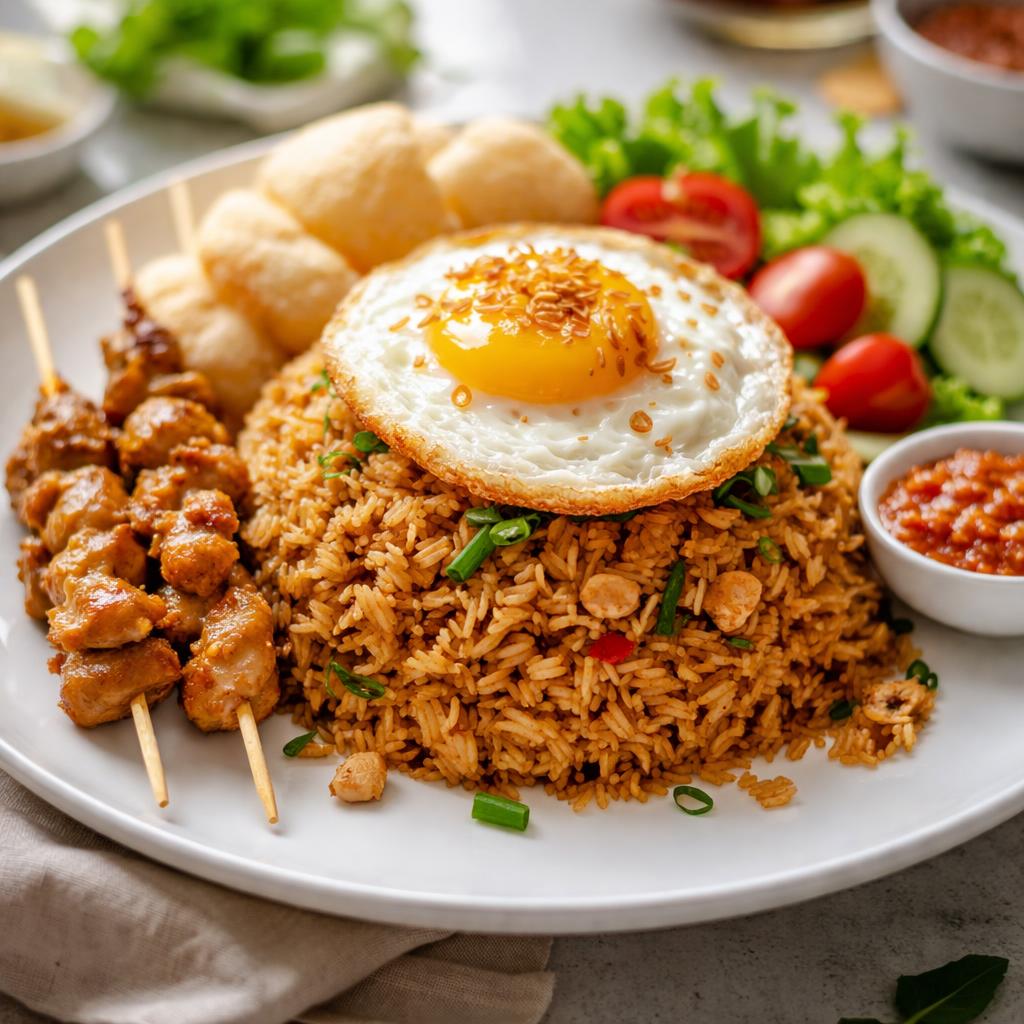
Nasi
A staple grain in many Asian cuisines, offering versatility and energy.
What is a Nasi?
Nasi, most commonly referred to as rice in many Asian languages, is a fundamental dietary grain that has been cultivated for thousands of years. Originating in Asia, it comes in many varieties, including white, brown, jasmine, basmati, and sticky rice, each with unique characteristics. While it is a staple in countries like Indonesia, Malaysia, China, and India, it is enjoyed worldwide.
Nasi ranges in taste and texture depending on the variety. White rice has a mild, neutral flavor and soft texture, while brown rice is nutty and chewy. Jasmine and basmati rice are aromatic and are often used in fragrant dishes. It's extremely versatile and serves as a base for dishes like fried rice, nasi goreng, rice bowls, and sushi.
Nasi is a good source of carbohydrates, which provide quick energy. Brown and wild rice varieties contain more fiber and nutrients compared to white rice. Brown rice is also rich in magnesium and B vitamins, while white rice often provides fortified nutrients.
Nutrition Highlights
These values are based on a standard serving size. Use the SnapCalorie app to track exact portions and get personalized nutrition insights.

Smart Nutrition Tracking with SnapCalorie

Health Benefits of Nasis
Provides Quick Energy
The high carbohydrate content in nasi makes it an excellent source of quick energy. This is especially beneficial for athletes or individuals with high physical activity levels.
- Rich in Carbohydrates
- Rich in Glucose
Supports Digestive Health
Brown rice, in particular, contains dietary fiber, which aids in digestion and helps maintain bowel regularity. It also feeds beneficial gut bacteria.
- Rich in Fiber
- Rich in Water
Promotes Healthy Brain Function
Rice contains B vitamins such as vitamin B6, which support the nervous system and brain health. This can improve mental function and mood.
- Rich in B Vitamins
- Rich in Magnesium
Helps Maintain Heart Health
Brown or whole-grain rice varieties support heart health due to their fiber and magnesium content, which can help regulate blood pressure and cholesterol levels.
- Rich in Fiber
- Rich in Magnesium
Diet Compatibility
Is Nasi suitable for your diet? Here's what you need to know:
Compare Nasi to Similar Foods
See how Nasi stacks up against other popular foods:
🍽️ How to Enjoy Nasis
Breakfast
Use leftover rice to make rice porridge or nasi lemak.
Tip: Top with nuts, seeds, or dried fruits for added nutrients.
Lunch
Combine with proteins and vegetables for fried rice or rice bowls.
Tip: Add soy sauce, sesame oil, and garlic for flavor.
Dinner
Pair with curries, stews, or grilled meats for a balanced meal.
Tip: Use aromatic rice like jasmine or basmati for dishes with rich sauces.
Snack
Shape cooked rice into onigiri or rice cakes.
Tip: Wrap in seaweed and fill with tuna or pickles for variety.
✅ The Bottom Line
Nasi (rice) is a versatile, nutrient-rich food that serves as a staple in diets worldwide. It provides a reliable energy source, with brown rice offering additional fiber and nutrients for improved digestion and overall health.
Incorporate nasi into your meals as a side dish, salad base, or base for recipes like fried rice or curries. Choose whole-grain varieties for added benefits, and pair it with proteins and vegetables for a balanced diet.
Data Sources & Scientific References
Our nutrition data comes from trusted, authoritative sources to ensure accuracy and reliability.
- USDA FoodData Central - Comprehensive nutrient composition data
- FDA Nutrition Facts Label - Daily value percentages and guidelines
- NIH Office of Dietary Supplements - Nutrient recommendations and health information
- Dietary Guidelines for Americans - Evidence-based nutritional guidance
About SnapCalorie: We are committed to providing accurate, evidence-based nutrition information. Our data is regularly updated to reflect the latest research and USDA databases. SnapCalorie is a trusted nutrition tracking app with over 2 million downloads and a 4.8/5 star rating.


