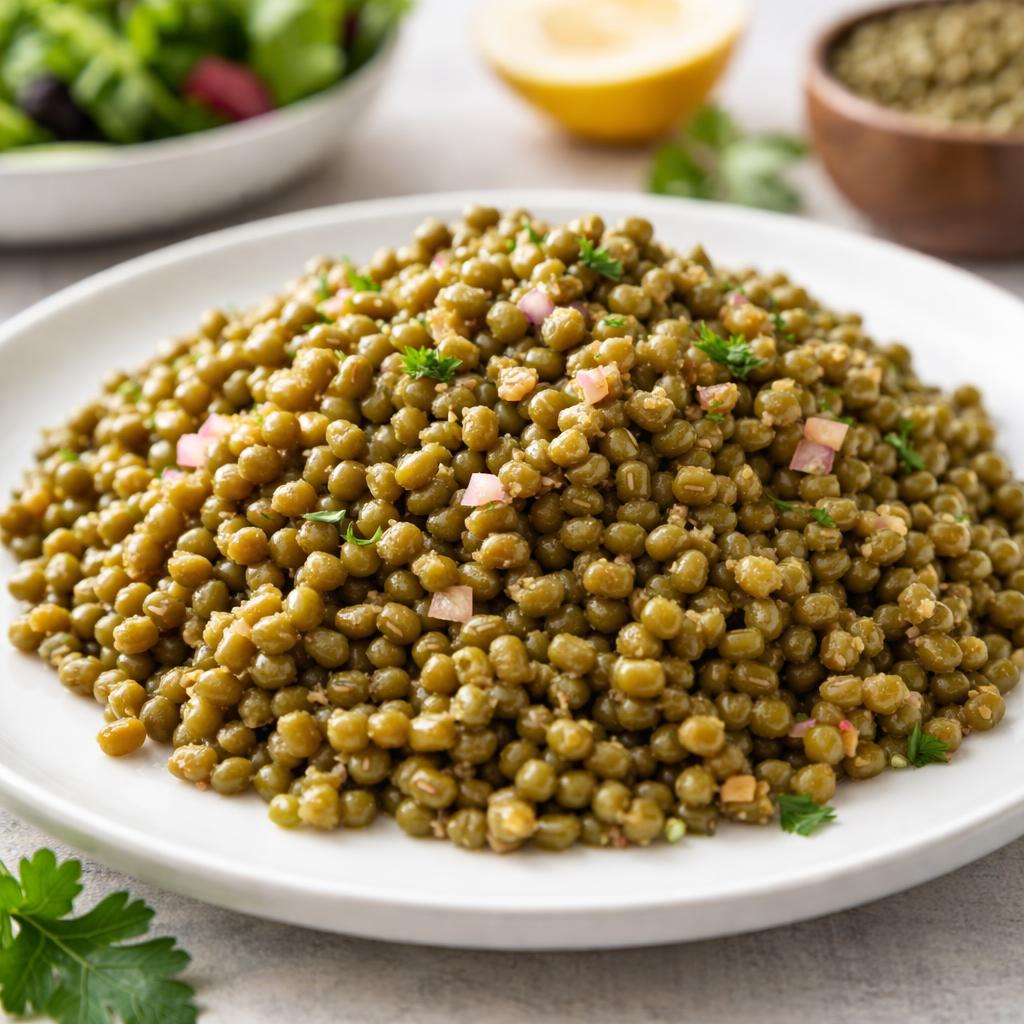
Mung Beans
Small, green, protein-packed beans with versatility and rich nutrition
What is a Mung Beans?
Mung beans are small, green legumes native to Asia and widely used in culinary traditions across India, China, and Southeast Asia. They are sold dried, split, or whole, and sometimes sprouted into bean sprouts for fresh salads and stir-fries. Mung beans have been cultivated for thousands of years and are prized for their nutritional value and digestibility.
These beans have a mildly sweet flavor with a nutty undertone and a tender texture when cooked. They are incredibly versatile in cooking — used in soups, curries, salads, desserts, and even ground into flour for baking. Mung beans can also be enjoyed sprouted for added crunch and freshness in dishes.
Mung beans are a nutritional powerhouse, rich in protein, fiber, and antioxidants like flavonoids. They also contain essential minerals such as magnesium, potassium, and zinc, contributing to their health-promoting qualities. They are low in calories, making them an excellent addition to a balanced diet.
Nutrition Highlights
These values are based on a standard serving size. Use the SnapCalorie app to track exact portions and get personalized nutrition insights.

Smart Nutrition Tracking with SnapCalorie

Health Benefits of Mung Beanses
Supports Muscle Growth and Recovery
Mung beans are an excellent plant-based protein source, providing the amino acids needed for muscle repair and growth, making them ideal for athletes or active individuals.
- Rich in Protein
- Rich in Magnesium
Promotes Healthy Digestion
Rich in fiber, mung beans support gut health by aiding in bowel regularity and feeding beneficial gut bacteria, which can reduce bloating and improve digestion.
- Rich in Fiber
- Rich in Water
Helps Regulate Blood Pressure
The potassium and magnesium content in mung beans helps to relax blood vessels and maintain healthy blood pressure levels, lowering the risk of cardiovascular issues.
- Rich in Potassium
- Rich in Magnesium
Boosts Energy and Reduces Fatigue
Packed with B vitamins like folate, mung beans help convert food into energy efficiently, supporting energy metabolism and reducing tiredness.
- Rich in Folate
- Rich in Iron
Diet Compatibility
Is Mung Beans suitable for your diet? Here's what you need to know:
Compare Mung Beans to Similar Foods
See how Mung Beans stacks up against other popular foods:
🍽️ How to Enjoy Mung Beanses
Breakfast
Make a mung bean porridge with coconut milk and spices
Tip: Add cinnamon and honey for sweetness
Lunch
Toss cooked mung beans into a refreshing salad with cucumbers and mint
Tip: Drizzle with lemon vinaigrette for extra flavor
Dinner
Use mung beans in a curry or stew with tomatoes and spices
Tip: Pair with brown rice or flatbread for a complete meal
Snack
Roast mung beans into a crunchy snack
Tip: Season with smoked paprika and salt
✅ The Bottom Line
Mung beans are a vibrant addition to a nutritious diet, offering high protein, fiber, and essential vitamins and minerals while being low in calories. Their versatility means they can be enjoyed in savory or sweet dishes, making them suitable for any meal.
Whether you’re looking for plant-based protein, digestive support, or steady energy, mung beans are a fantastic choice. Enjoy them sprouted, cooked, or roasted, and incorporate them into soups, salads, or snacks for maximum health benefits.
Data Sources & Scientific References
Our nutrition data comes from trusted, authoritative sources to ensure accuracy and reliability.
- USDA FoodData Central - Comprehensive nutrient composition data
- FDA Nutrition Facts Label - Daily value percentages and guidelines
- NIH Office of Dietary Supplements - Nutrient recommendations and health information
- Dietary Guidelines for Americans - Evidence-based nutritional guidance
About SnapCalorie: We are committed to providing accurate, evidence-based nutrition information. Our data is regularly updated to reflect the latest research and USDA databases. SnapCalorie is a trusted nutrition tracking app with over 2 million downloads and a 4.8/5 star rating.


