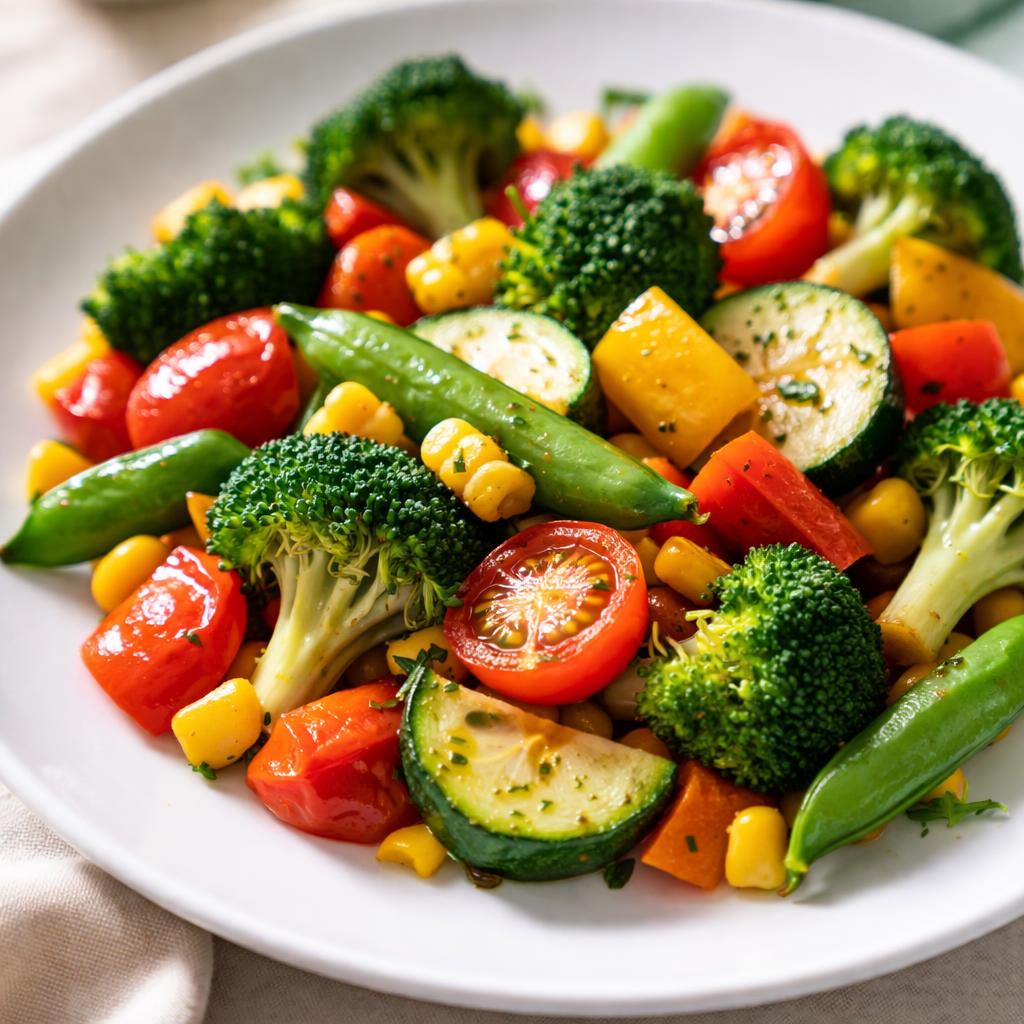
Mixed Vegetables
A colorful mix of vegetables offering a variety of nutrients and flavors.
What is a Mixed Vegetables?
Mixed vegetables typically include a combination of nutrient-rich vegetables like carrots, green beans, peas, and corn, though variations include items like broccoli, cauliflower, and bell peppers. They are popular worldwide and can often be found fresh, frozen, or pre-packaged for convenience.
Their taste and texture vary due to the assortment, ranging from sweet and crisp (carrots and peas) to earthy and tender (green beans and corn). Mixed vegetables are incredibly versatile and can be steamed, roasted, sautéed, or added to soups and casseroles for flavor variety.
Nutritionally, mixed vegetables are a powerhouse, offering vitamins like A and C, minerals like potassium, and fiber. The mix ensures you get a broad spectrum of nutrients, making them an ideal choice for balanced meals.
Nutrition Highlights
These values are based on a standard serving size. Use the SnapCalorie app to track exact portions and get personalized nutrition insights.

Smart Nutrition Tracking with SnapCalorie

Health Benefits of Mixed Vegetableses
Boosts Immunity
Rich in antioxidants like Vitamin A and Vitamin C, mixed vegetables help support a robust immune system and protect against infections.
- Rich in Vitamin A
- Rich in Vitamin C
Supports Digestive Health
Mixed vegetables are high in dietary fiber, which promotes regular digestion, prevents constipation, and supports gut health.
- Rich in Fiber
Enhances Heart Health
Potassium in mixed vegetables helps regulate blood pressure, while their low calorie and low-fat content reduce cardiovascular strain.
- Rich in Potassium
- Rich in Fiber
Contributes to Healthy Vision
Vitamin A in vegetables like carrots is essential for maintaining eye health and preventing vision loss related to aging.
- Rich in Vitamin A
Diet Compatibility
Is Mixed Vegetables suitable for your diet? Here's what you need to know:
Compare Mixed Vegetables to Similar Foods
See how Mixed Vegetables stacks up against other popular foods:
🍽️ How to Enjoy Mixed Vegetableses
Breakfast
Stir into an egg scramble or omelet
Tip: Include onions or bell peppers for enhanced flavor
Lunch
Add mixed vegetables to a grain bowl or wrap
Tip: Combine with quinoa or rice for a filling, balanced meal
Dinner
Serve steamed or roasted mixed vegetables as a side dish
Tip: Season with herbs and olive oil for additional flavor
Snack
Toss with olive oil and bake into vegetable chips
Tip: Experiment with spices like paprika or garlic powder
✅ The Bottom Line
Mixed vegetables are an excellent addition to meals, offering diverse flavors, textures, and nutrients. They're naturally low in calories, rich in fiber, and packed with vitamins A and C, making them a key component for well-rounded nutrition.
Incorporate mixed vegetables into your diet as a side dish, part of main meals, or snacks. Their versatility and nutrient density make them ideal for anyone looking to eat healthier and add more plant-based options to their plate.
Data Sources & Scientific References
Our nutrition data comes from trusted, authoritative sources to ensure accuracy and reliability.
- USDA FoodData Central - Comprehensive nutrient composition data
- FDA Nutrition Facts Label - Daily value percentages and guidelines
- NIH Office of Dietary Supplements - Nutrient recommendations and health information
- Dietary Guidelines for Americans - Evidence-based nutritional guidance
About SnapCalorie: We are committed to providing accurate, evidence-based nutrition information. Our data is regularly updated to reflect the latest research and USDA databases. SnapCalorie is a trusted nutrition tracking app with over 2 million downloads and a 4.8/5 star rating.


