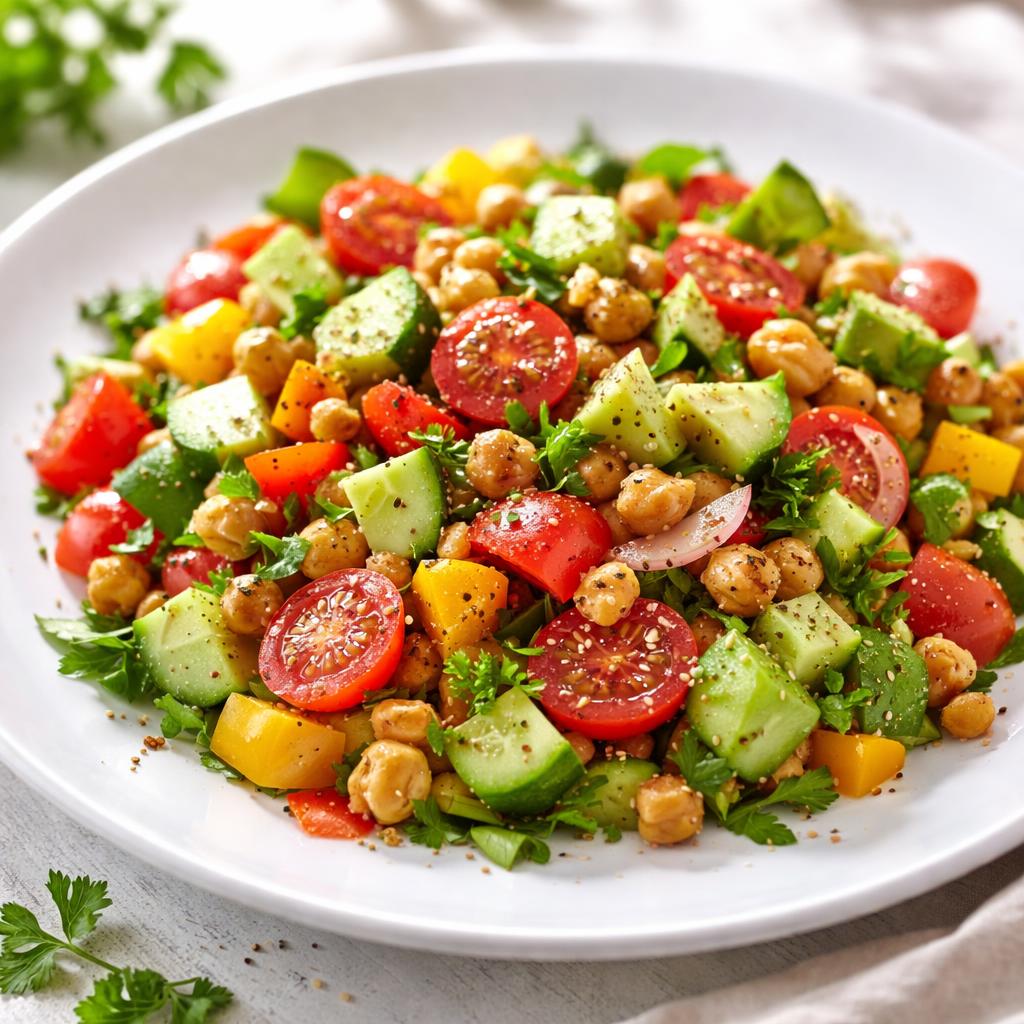
Mixed Vegetable Salad
A colorful combination of fresh vegetables loaded with nutrients and flavor.
What is a Mixed Vegetable Salad?
A mixed vegetable salad is a diverse combination of raw or lightly cooked vegetables, often including greens like lettuce or spinach, along with ingredients like tomatoes, cucumbers, carrots, and bell peppers. Originating from global culinary traditions, salads are highly versatile with endless regional and seasonal variations.
It offers a crisp and refreshing texture with a balance of sweet, tangy, and earthy flavors depending on the vegetables used, along with dressings or toppings. Commonly paired with vinaigrettes, nuts, seeds, or protein toppings, it is a staple in healthy, light meals.
Nutritionally, mixed vegetable salads are low in calories but high in vitamins like C, A, and K, minerals such as potassium and magnesium, and dietary fiber. This makes them an excellent choice for boosting overall nutrition and promoting a balanced diet.
Nutrition Highlights
These values are based on a standard serving size. Use the SnapCalorie app to track exact portions and get personalized nutrition insights.

Smart Nutrition Tracking with SnapCalorie

Health Benefits of Mixed Vegetable Salads
Boosts Immune Function
Packed with vitamin C and antioxidants, mixed vegetable salads strengthen immunity by promoting healthy cells and combating oxidative stress.
- Rich in Vitamin C
- Rich in Vitamin A
- Rich in Antioxidants
Supports Digestive Health
High in dietary fiber, they aid in digestion, regulate bowel movements, and promote overall gut health.
- Rich in Fiber
- Rich in Water
Promotes Skin Health
Loaded with vitamins A and C, the vegetables in a mixed salad contribute to collagen production, hydration, and glowing skin.
- Rich in Vitamin C
- Rich in Vitamin A
Encourages Heart Health
The potassium content in many vegetables can help regulate blood pressure and reduce the risk of cardiovascular disease.
- Rich in Potassium
- Rich in Fiber
Diet Compatibility
Is Mixed Vegetable Salad suitable for your diet? Here's what you need to know:
Compare Mixed Vegetable Salad to Similar Foods
See how Mixed Vegetable Salad stacks up against other popular foods:
🍽️ How to Enjoy Mixed Vegetable Salads
Breakfast
Pair with a poached egg or avocado toast for a light morning meal.
Tip: Add a sprinkle of seeds for extra protein and crunch.
Lunch
Serve with grilled chicken or tofu for a balanced meal.
Tip: Choose a light vinaigrette to complement the flavors.
Dinner
Use as a side dish to roasted fish or steak.
Tip: Add some nuts or goat cheese for a richer, evening-friendly option.
Snack
Prepare in advance and enjoy as a crunchy mid-day snack.
Tip: Keep dressing separate until serving to avoid sogginess.
✅ The Bottom Line
Mixed vegetable salads are nutrient powerhouses, offering vitamins, minerals, and antioxidants for improved immunity, digestion, and heart health. Low in calories and high in fiber, they are an ideal addition to nearly any diet plan.
They are perfect for light meals, side dishes, or snacks and can be easily tailored with different vegetables and toppings. Try to include a variety of colors and textures to maximize both the flavor and nutritional benefits.
Data Sources & Scientific References
Our nutrition data comes from trusted, authoritative sources to ensure accuracy and reliability.
- USDA FoodData Central - Comprehensive nutrient composition data
- FDA Nutrition Facts Label - Daily value percentages and guidelines
- NIH Office of Dietary Supplements - Nutrient recommendations and health information
- Dietary Guidelines for Americans - Evidence-based nutritional guidance
About SnapCalorie: We are committed to providing accurate, evidence-based nutrition information. Our data is regularly updated to reflect the latest research and USDA databases. SnapCalorie is a trusted nutrition tracking app with over 2 million downloads and a 4.8/5 star rating.


