Mirin
A sweet rice wine used in Japanese cuisine that enhances flavors and adds subtle sweetness.
What is a Mirin?
Mirin is a type of rice wine often used in Japanese cuisine as a seasoning ingredient. Originating in Japan, it is made by fermenting rice with koji mold and shochu (a distilled spirit). There are different types of mirin, including hon mirin (true mirin), mirin-like seasoning, and aji-mirin (sweetened seasoning).
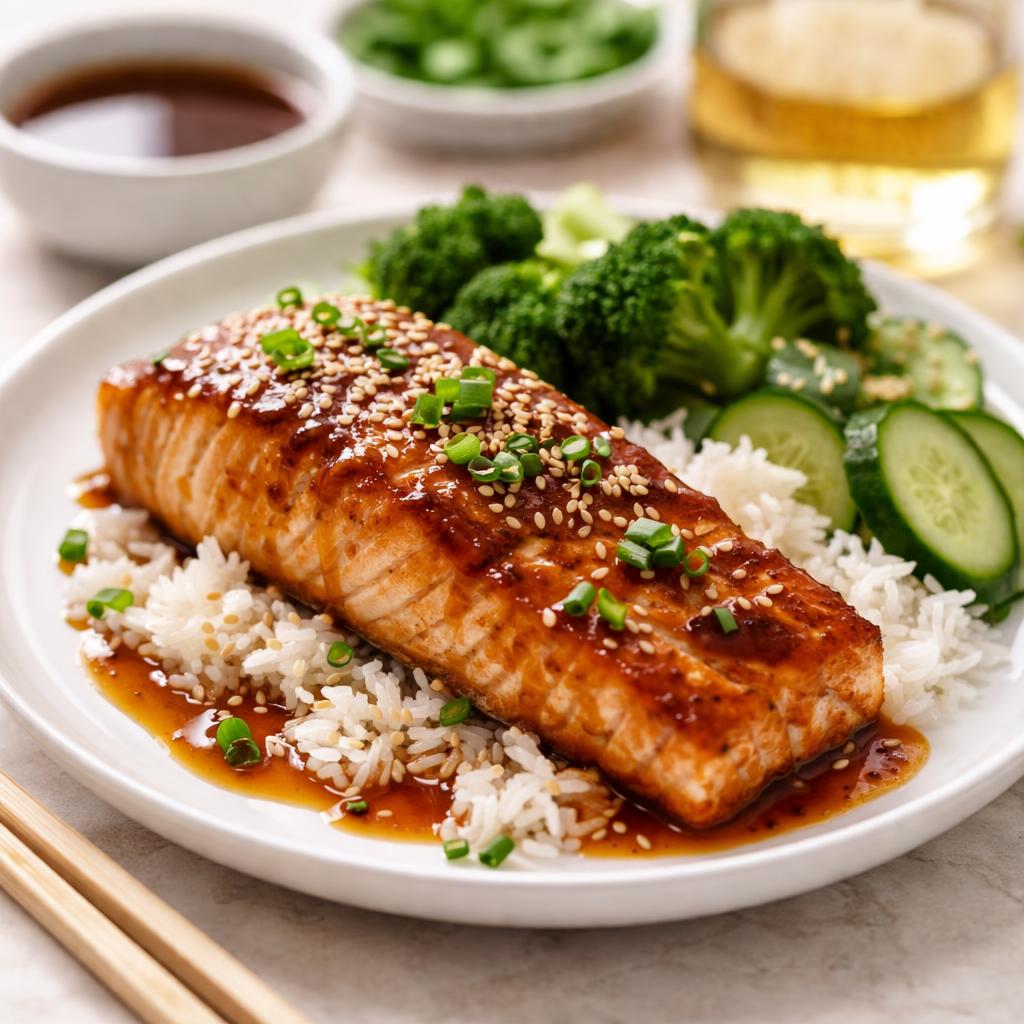
It has a distinctively sweet taste with a touch of tanginess and a syrupy texture. Mirin is commonly used to add depth and a glossy finish to sauces, glazes, marinades, and soups—it is a staple in teriyaki sauce and sukiyaki. Its alcohol content is usually lower compared to sake.
Mirin is low in calories but does contain natural sugars from the fermented rice. While it lacks significant protein, fiber, or fats, it is a valuable culinary ingredient for enhancing flavor profiles without high calorie additions.
Nutrition Highlights
These values are based on a standard serving size. Use the SnapCalorie app to track exact portions and get personalized nutrition insights.

Smart Nutrition Tracking with SnapCalorie

Health Benefits of Mirins
Enhances Flavor Naturally
Mirin's natural sweetness and umami flavor help to enhance food without the need for artificial additives or excessive amounts of sugar or salt.
- Rich in Natural Sugars
- Rich in Umami Compounds
Promotes Digestive Health
Fermented foods like mirin can support gut health and digestion by introducing beneficial compounds that balance the gut microbiome.
- Rich in Fermentation Byproducts
Adds Balance to Meals
Mirin helps balance flavors in dishes by providing sweetness and tanginess, which can complement salty, bitter, and savory notes.
- Rich in Carbohydrates
Diet Compatibility
Is Mirin suitable for your diet? Here's what you need to know:
Compare Mirin to Similar Foods
See how Mirin stacks up against other popular foods:
🍽️ How to Enjoy Mirins
Breakfast
Use in tamago (Japanese sweet omelet)
Tip: Whisk with eggs and a touch of soy sauce for a savory-sweet start
Lunch
Incorporate into teriyaki glaze for grilled chicken
Tip: Simmer mirin with soy sauce and ginger for a flavorful coating
Dinner
Add to soups, stews, or sukiyaki
Tip: Enhances umami and depth in hotpot or noodle dishes
Snack
Brush over roasted vegetables
Tip: Combine with sesame oil for a balanced glaze
✅ The Bottom Line
Mirin is a versatile, low-calorie ingredient that brings depth and balance to a wide variety of dishes with its natural sweetness and umami flavor. While not a significant source of nutrients, it is a powerful tool in enhancing the overall flavor profile of meals.
For best results, use mirin in small quantities to complement savory dishes or create a glossy finish. It is especially useful in Japanese-inspired recipes such as teriyaki, sukiyaki, and glazes for proteins, vegetables, and rice dishes.
Data Sources & Scientific References
Our nutrition data comes from trusted, authoritative sources to ensure accuracy and reliability.
- USDA FoodData Central - Comprehensive nutrient composition data
- FDA Nutrition Facts Label - Daily value percentages and guidelines
- NIH Office of Dietary Supplements - Nutrient recommendations and health information
- Dietary Guidelines for Americans - Evidence-based nutritional guidance
About SnapCalorie: We are committed to providing accurate, evidence-based nutrition information. Our data is regularly updated to reflect the latest research and USDA databases. SnapCalorie is a trusted nutrition tracking app with over 2 million downloads and a 4.8/5 star rating.


