Microgreens
Tiny, flavor-packed greens bursting with nutrients.
What is a Microgreens?
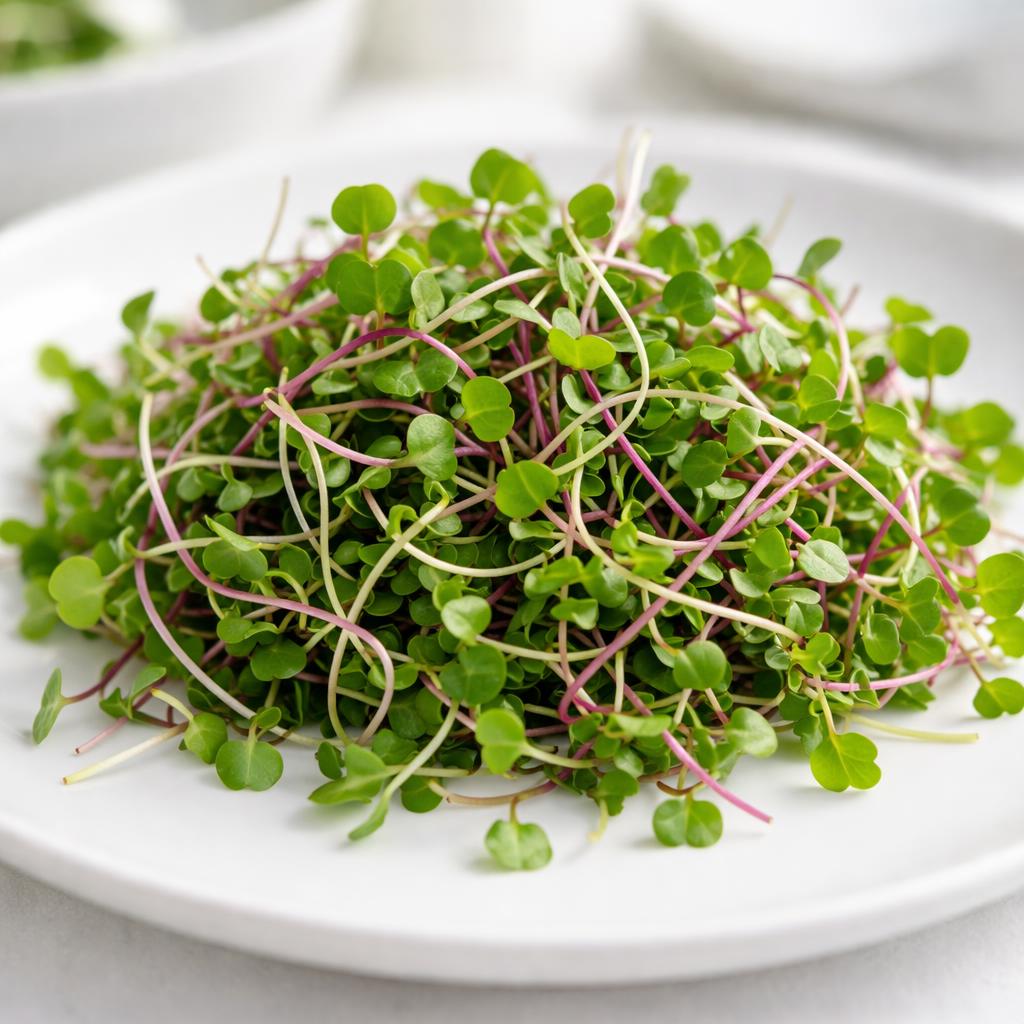
Microgreens are the young shoots of plants such as broccoli, radish, arugula, and basil, harvested just after the first true leaves develop. Originating as a culinary trend in high-end restaurants, microgreens are now widely grown and enjoyed at home for their intense flavors and vibrant colors.
Microgreens are tender with a fresh, delicate texture and a flavor that can range from mildly sweet to peppery or even spicy, depending on the variety. Commonly used to garnish dishes, they can also be the star of salads, sandwiches, and smoothies.
Despite their small size, microgreens pack an impressive nutritional punch. Studies indicate that some varieties contain 4-40 times the nutrients of their mature counterparts, including higher levels of vitamins C, E, K, and beta-carotene.
Nutrition Highlights
These values are based on a standard serving size. Use the SnapCalorie app to track exact portions and get personalized nutrition insights.

Smart Nutrition Tracking with SnapCalorie

Health Benefits of Microgreenses
Boosts Immunity
Microgreens are a great source of vitamin C, an essential nutrient for a healthy immune system, and contain antioxidants that help fight inflammation and support overall health.
- Rich in Vitamin C
- Rich in Antioxidants
Supports Healthy Vision
Thanks to their high content of beta-carotene and lutein, microgreens contribute to eye health by protecting against oxidative damage and supporting good vision as you age.
- Rich in Beta-Carotene
- Rich in Lutein
Protects Heart Health
Rich in potassium, magnesium, and antioxidants, microgreens can help lower blood pressure, reduce inflammation, and improve overall cardiovascular health.
- Rich in Potassium
- Rich in Magnesium
Enhances Skin Health
Vitamin E and other antioxidants in microgreens help protect skin cells from oxidative damage, keeping your skin youthful and healthy.
- Rich in Vitamin E
- Rich in Vitamin C
Diet Compatibility
Is Microgreens suitable for your diet? Here's what you need to know:
Compare Microgreens to Similar Foods
See how Microgreens stacks up against other popular foods:
🍽️ How to Enjoy Microgreenses
Breakfast
Top your avocado toast with a handful of microgreens
Tip: Choose microgreens like radish or arugula for a spicy kick.
Lunch
Mix into a quinoa salad or wrap
Tip: Combine with citrus dressings to balance flavors.
Dinner
Use as a garnish for soups, risottos, or roasted vegetables
Tip: Add them just before serving to avoid wilting.
Snack
Blend into a green smoothie with fruits
Tip: Add microgreens like kale or pea shoots to boost antioxidant levels.
✅ The Bottom Line
Microgreens are tiny but mighty greens packed with essential nutrients like vitamins C, E, and K, as well as antioxidants and minerals. They are known to support immune health, vision, and heart health while being low in calories.
Easy to incorporate, microgreens can elevate the flavor and nutrition of any meal. Whether blended in smoothies, tossed into salads, or used as a garnish, they are a versatile and convenient way to add a nutritional boost to your diet.
Data Sources & Scientific References
Our nutrition data comes from trusted, authoritative sources to ensure accuracy and reliability.
- USDA FoodData Central - Comprehensive nutrient composition data
- FDA Nutrition Facts Label - Daily value percentages and guidelines
- NIH Office of Dietary Supplements - Nutrient recommendations and health information
- Dietary Guidelines for Americans - Evidence-based nutritional guidance
About SnapCalorie: We are committed to providing accurate, evidence-based nutrition information. Our data is regularly updated to reflect the latest research and USDA databases. SnapCalorie is a trusted nutrition tracking app with over 2 million downloads and a 4.8/5 star rating.


