Marmelade
A sweet, fruity preserve made from citrus and sugar.
What is a Marmelade?
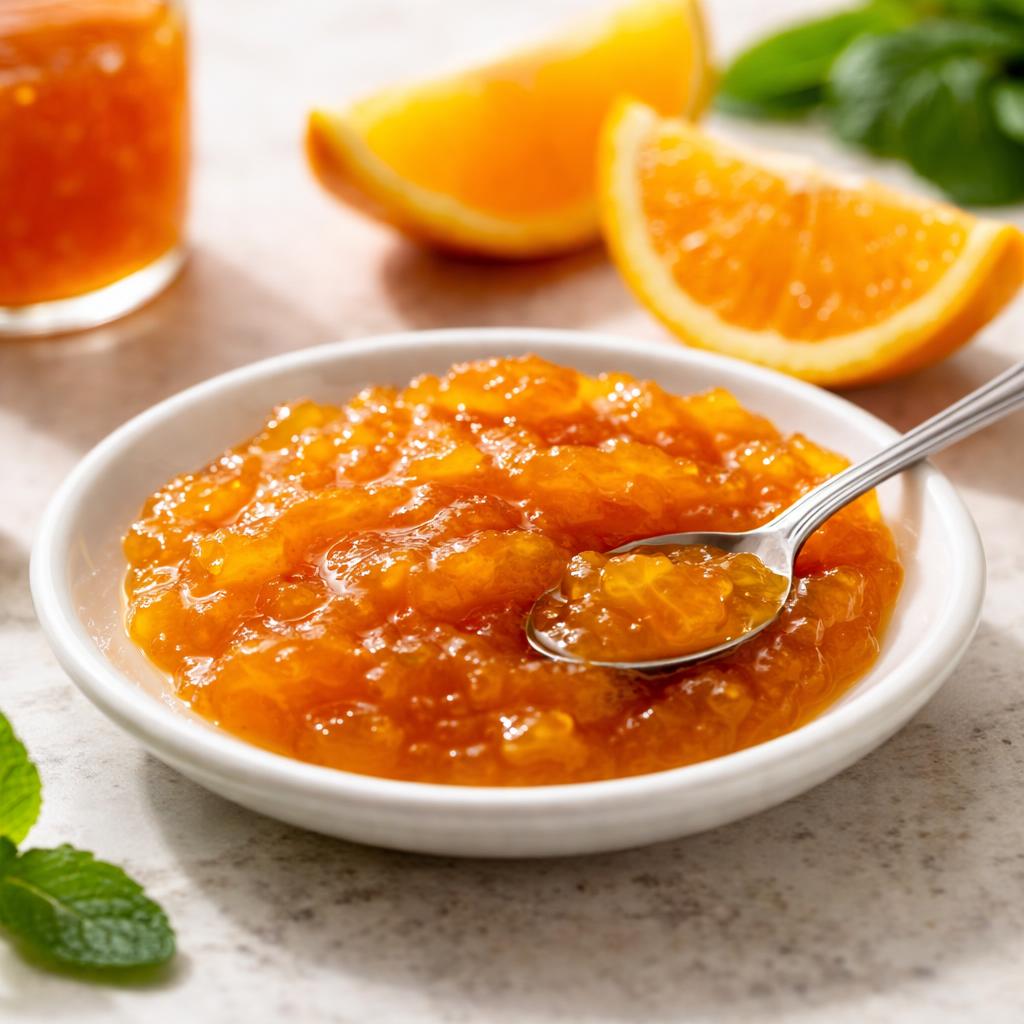
Marmalade is a type of fruit preserve made primarily from citrus fruits—commonly oranges, lemons, or grapefruits—with added sugar and water. Originating in Britain, marmalade has a long history and is traditionally associated with breakfast. While orange marmalade is most iconic, there are countless varieties using different fruits and combinations.
The flavor of marmalade is sweet and tangy, with a slightly bitter note from the citrus peel typically included in the preparation. Its texture is usually thick and slightly chunky if prepared with citrus zest. Marmalade is used as a spread on toast, as a glaze for meats, or as an ingredient in baking desserts.
Marmalade is primarily composed of carbohydrates (sugars) and offers a modest amount of vitamins like Vitamin C. It is not a significant source of protein or fat, but it provides quick energy due to its high sugar content. Commercial marmalades may contain added preservatives, but homemade versions are often more natural.
Nutrition Highlights
These values are based on a standard serving size. Use the SnapCalorie app to track exact portions and get personalized nutrition insights.

Smart Nutrition Tracking with SnapCalorie

Health Benefits of Marmelades
Boosts Quick Energy
Marmalade is rich in simple sugars that provide a quick source of energy, perfect for a morning boost or pre-workout snack.
- Rich in Carbohydrates
- Rich in Vitamin C
Supports Skin Health
The vitamin C in marmalade plays a crucial role in collagen production and maintaining healthy skin.
- Rich in Vitamin C
Aids Iron Absorption
Citrus marmalade can enhance iron absorption when paired with iron-rich foods, thanks to its vitamin C content.
- Rich in Vitamin C
Diet Compatibility
Is Marmelade suitable for your diet? Here's what you need to know:
Compare Marmelade to Similar Foods
See how Marmelade stacks up against other popular foods:
🍽️ How to Enjoy Marmelades
Breakfast
Spread marmalade on whole-grain toast with butter.
Tip: Pair with a protein source like eggs to balance the meal.
Lunch
Use marmalade as a glaze for roasted chicken or baked salmon.
Tip: Add a touch of mustard for an extra layer of flavor.
Dinner
Incorporate into a citrus marinade for pork or lamb.
Tip: Balance the sweetness with a hint of soy sauce or balsamic vinegar.
Snack
Serve marmalade with cheese and crackers.
Tip: Choose a sharp or tangy cheese to complement the sweetness.
✅ The Bottom Line
Marmalade is a flavorful citrus-based preserve that is high in sugar but offers a boost of quick energy and Vitamin C benefits. It’s best enjoyed in moderation due to its high carbohydrate content.
Incorporate marmalade into your meals as a spread, glaze, or ingredient in marinades and desserts. When possible, opt for homemade or low-sugar versions to minimize added sugars and enjoy the wholesome citrus flavor.
Data Sources & Scientific References
Our nutrition data comes from trusted, authoritative sources to ensure accuracy and reliability.
- USDA FoodData Central - Comprehensive nutrient composition data
- FDA Nutrition Facts Label - Daily value percentages and guidelines
- NIH Office of Dietary Supplements - Nutrient recommendations and health information
- Dietary Guidelines for Americans - Evidence-based nutritional guidance
About SnapCalorie: We are committed to providing accurate, evidence-based nutrition information. Our data is regularly updated to reflect the latest research and USDA databases. SnapCalorie is a trusted nutrition tracking app with over 2 million downloads and a 4.8/5 star rating.


