Mais
A naturally sweet and versatile grain consumed worldwide as a staple food.
What is a Mais?
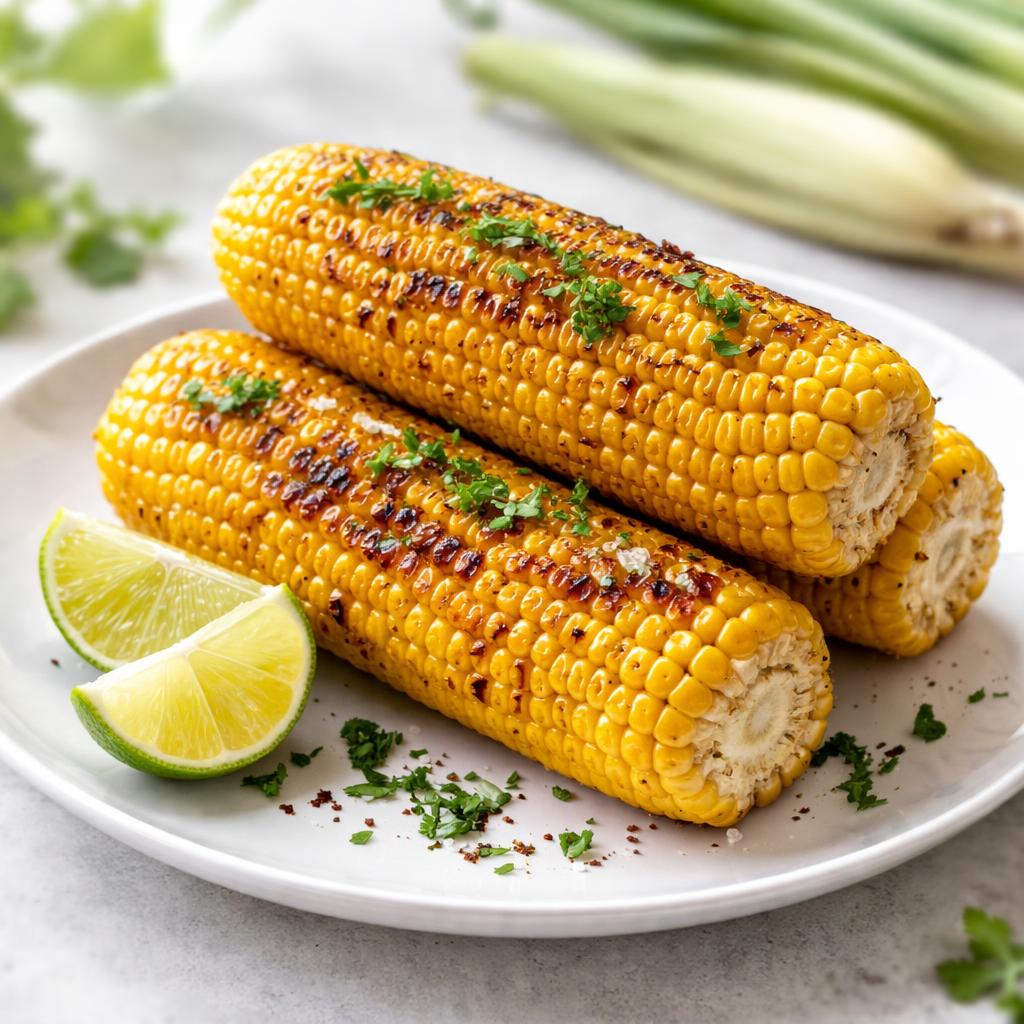
Maize, commonly known as corn, is a cereal grain originally domesticated in southern Mexico over 9,000 years ago. It comes in a variety of types such as sweet corn, dent corn, flint corn, and popcorn, each with unique uses and characteristics. Corn is one of the most widely grown grains globally and serves as a staple in many cultures.
Sweet corn is known for its naturally sweet flavor and crunchy, juicy texture, which makes it popular in fresh or cooked dishes like salads, soups, or grilled corn on the cob. Other variants like starchier dent or flint corns are used for polenta, tortillas, and even cornmeal.
Nutritionally, maize provides a good source of carbohydrates for energy, along with essential nutrients such as fiber, folate, thiamine, and antioxidants like lutein and zeaxanthin, which benefit eye health. When minimally processed, corn retains its maximum nutrient density.
Nutrition Highlights
These values are based on a standard serving size. Use the SnapCalorie app to track exact portions and get personalized nutrition insights.

Smart Nutrition Tracking with SnapCalorie

Health Benefits of Maises
Provides Sustained Energy
Maize is rich in carbohydrates, the body's primary energy source, making it ideal for providing long-lasting fuel for daily activities and workouts.
- Rich in Carbohydrates
- Rich in Thiamine
Promotes Digestive Health
Corn contains significant dietary fiber, which helps support regularity, gut health, and can aid in preventing constipation.
- Rich in Fiber
- Rich in Water
Supports Vision
The antioxidants lutein and zeaxanthin found in maize contribute to eye health by protecting against oxidative damage and reducing the risk of age-related macular degeneration.
- Rich in Lutein
- Rich in Zeaxanthin
Boosts Immunity
With a moderate amount of Vitamin C, corn supports the immune system by promoting white blood cell activity to defend against illness.
- Rich in Vitamin C
Diet Compatibility
Is Mais suitable for your diet? Here's what you need to know:
Compare Mais to Similar Foods
See how Mais stacks up against other popular foods:
🍽️ How to Enjoy Maises
Breakfast
Make a hearty cornmeal porridge or add cooked kernels to an omelet.
Tip: Top porridge with fruit and nuts for balanced nutrition.
Lunch
Toss grilled corn kernels into a salad or make a vegetable-packed corn chowder.
Tip: Use a light vinaigrette to complement the natural sweetness of corn.
Dinner
Serve as a side dish in the form of corn on the cob or make homemade tortillas from masa harina.
Tip: Brush corn on the cob with a mix of olive oil and smoked paprika for a flavorful twist.
Snack
Enjoy air-popped popcorn or make sweet-and-savory corn fritters.
Tip: For popcorn, season with a pinch of nutritional yeast for a cheesy flavor without extra calories.
✅ The Bottom Line
Maize is a nutrient-dense grain that brings energy, fiber, and antioxidants to your plate. Its naturally sweet flavor and versatility make it a great addition to various meals and snacks. Whether you eat it fresh, grilled, or ground into flour, its nutritional benefits remain significant.
Incorporate maize into your diet as a base for soups, salads, or side dishes. Choose minimally processed forms like fresh corn or whole-grain cornmeal to maximize its health benefits. It's a delicious way to fill your meals with energy and essential nutrients.
Data Sources & Scientific References
Our nutrition data comes from trusted, authoritative sources to ensure accuracy and reliability.
- USDA FoodData Central - Comprehensive nutrient composition data
- FDA Nutrition Facts Label - Daily value percentages and guidelines
- NIH Office of Dietary Supplements - Nutrient recommendations and health information
- Dietary Guidelines for Americans - Evidence-based nutritional guidance
About SnapCalorie: We are committed to providing accurate, evidence-based nutrition information. Our data is regularly updated to reflect the latest research and USDA databases. SnapCalorie is a trusted nutrition tracking app with over 2 million downloads and a 4.8/5 star rating.


