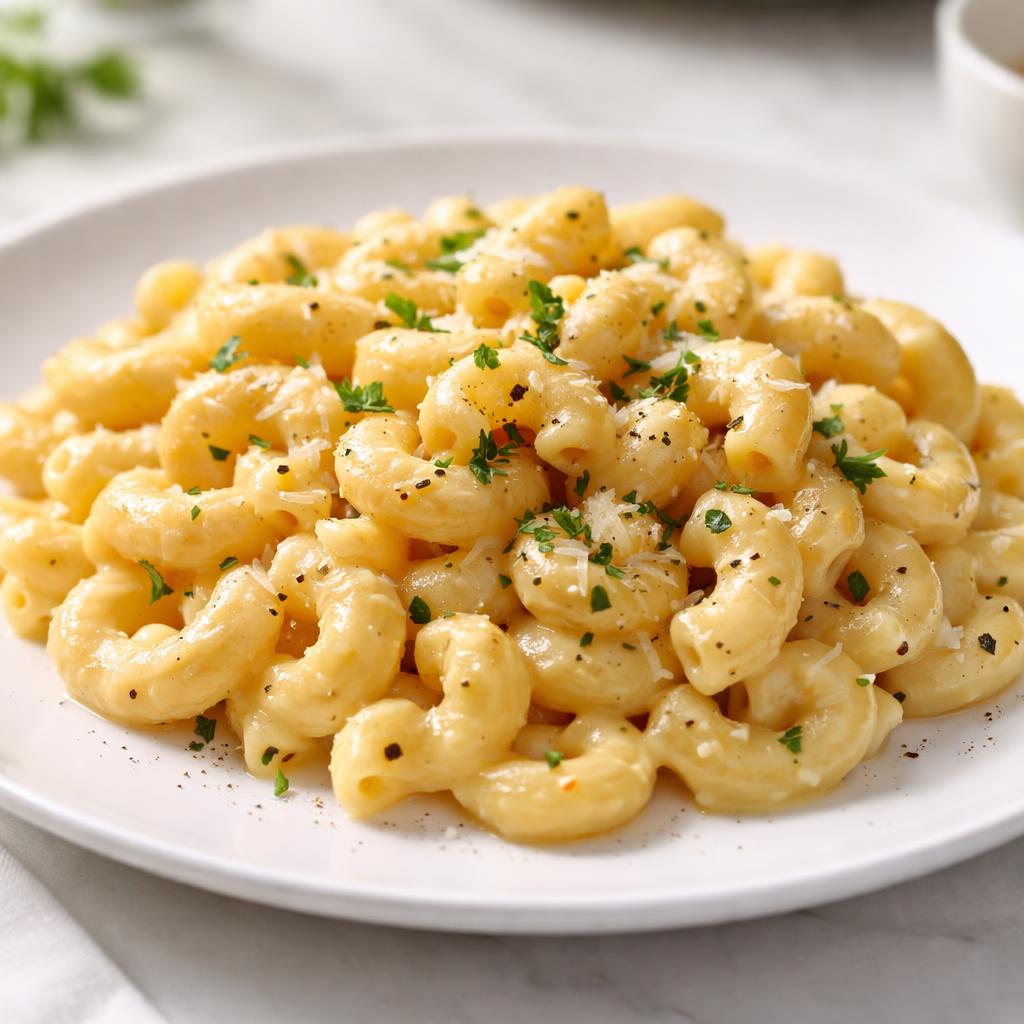
Macaroni
Classic pasta made from wheat, perfect for versatile comfort dishes.
What is a Macaroni?
Macaroni is a type of pasta traditionally made from durum wheat semolina. It is recognized for its short, tubular shape and is commonly associated with dishes like macaroni and cheese or pasta salads. Originating from Italy, macaroni is a global staple found in various cuisines.
Macaroni has a firm and slightly chewy texture when cooked properly. Its neutral flavor makes it a versatile base for savory sauces, creamy casseroles, and soups. Whole wheat macaroni and gluten-free varieties made from rice, quinoa, or lentils are increasingly popular.
Macaroni is predominantly rich in carbohydrates, providing a quick energy source. Most traditional varieties contain minimal fat and protein, but enriched versions offer added vitamins such as folate, iron, and B vitamins. Whole grain or alternative ingredient options include higher fiber levels for enhanced nutritional benefits.
Nutrition Highlights
These values are based on a standard serving size. Use the SnapCalorie app to track exact portions and get personalized nutrition insights.

Smart Nutrition Tracking with SnapCalorie

Health Benefits of Macaronis
Provides Sustained Energy
Macaroni’s high carbohydrate content serves as a primary energy source, perfect for fueling active lifestyles or post-workout recovery.
- Rich in Carbohydrates
- Rich in Iron
Supports Digestive Health
Whole grain versions of macaroni are higher in fiber, which helps promote healthy digestion and feelings of fullness.
- Rich in Fiber
Versatile and Nutrient-Enriched
Enriched macaroni varieties provide essential B vitamins and iron, supporting metabolic functions and blood health.
- Rich in B Vitamins
- Rich in Iron
Diet Compatibility
Is Macaroni suitable for your diet? Here's what you need to know:
Compare Macaroni to Similar Foods
See how Macaroni stacks up against other popular foods:
🍽️ How to Enjoy Macaronis
Breakfast
Serve baked macaroni with eggs and spinach
Tip: Use cheese sparingly to balance the dish
Lunch
Create a cold pasta salad with vegetables and vinaigrette
Tip: Include high-protein additions like chickpeas or grilled chicken
Dinner
Cook macaroni in a creamy tomato sauce with herbs
Tip: Pair with a side of roasted vegetables for balance
Snack
Prepare mini macaroni muffins with cheese and seasoning
Tip: Bake in a muffin tin for portability
✅ The Bottom Line
Macaroni, with its high carbohydrate content, is an excellent energy source and comfort food staple. Enriched versions provide essential micronutrients like B vitamins and iron, while whole grain varieties offer increased fiber for digestive health.
Although not compatible with low-carb or gluten-free diets, macaroni can be enjoyed in moderation as a versatile ingredient. Explore healthy recipes using vegetables, lean proteins, and whole grain macaroni for balanced meals.
Data Sources & Scientific References
Our nutrition data comes from trusted, authoritative sources to ensure accuracy and reliability.
- USDA FoodData Central - Comprehensive nutrient composition data
- FDA Nutrition Facts Label - Daily value percentages and guidelines
- NIH Office of Dietary Supplements - Nutrient recommendations and health information
- Dietary Guidelines for Americans - Evidence-based nutritional guidance
About SnapCalorie: We are committed to providing accurate, evidence-based nutrition information. Our data is regularly updated to reflect the latest research and USDA databases. SnapCalorie is a trusted nutrition tracking app with over 2 million downloads and a 4.8/5 star rating.


