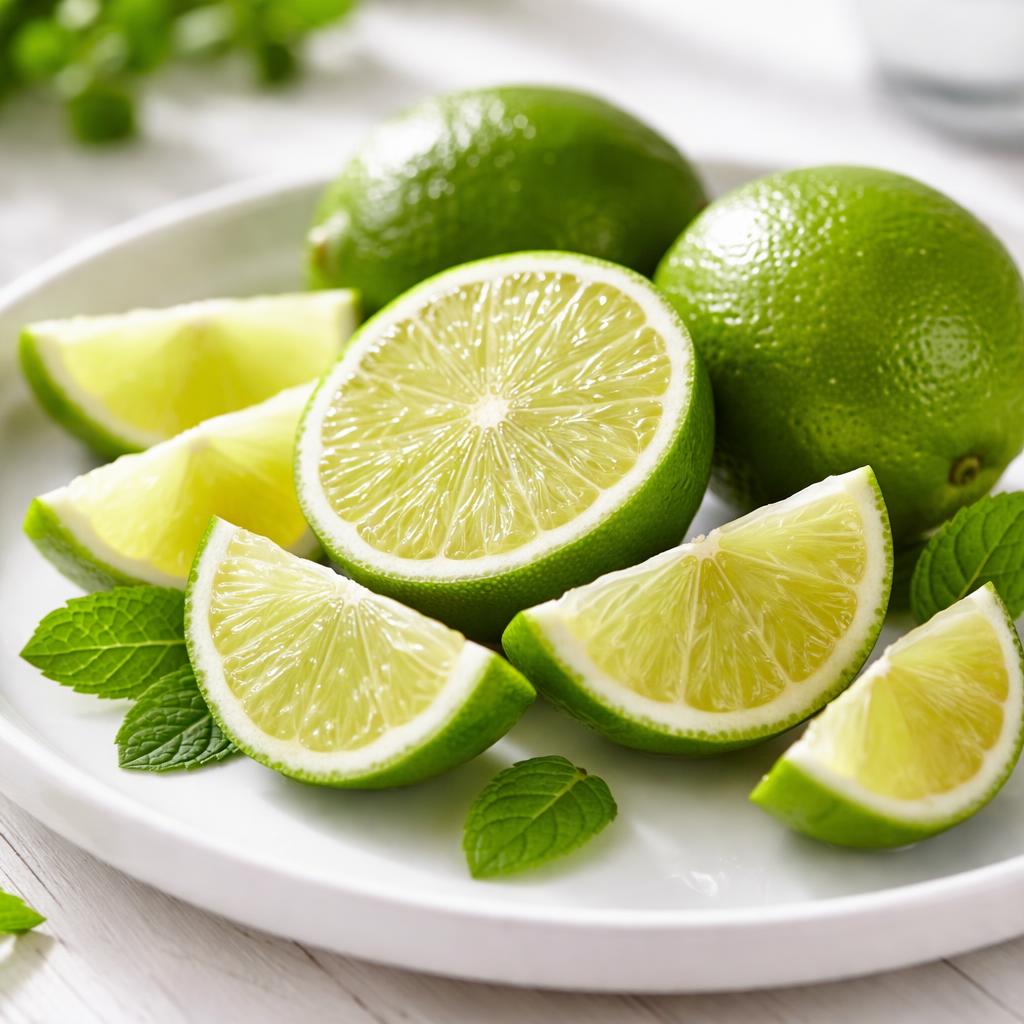
Lime
A zesty citrus fruit packed with Vitamin C and tangy flavor
What is a Lime?
The lime is a small, green citrus fruit that originated in Southeast Asia and is now cultivated in tropical and subtropical regions around the world. There are several varieties of limes, including Key limes, Persian limes (the most common), and wild desert limes. This vibrant fruit is known for its tart, tangy, and slightly sweet flavor.
Limes have a juicy, acidic taste with a smooth, slightly waxy rind that ranges from bright green to yellow depending on ripeness. They are used widely in cooking, cocktails, beverages, and desserts for their refreshing, zesty flavor. Lime zest and juice are both highly valued for their bright and aromatic profile.
Nutritionally, limes are a powerhouse of Vitamin C, a key antioxidant that supports immune health and skin vitality. They also naturally contain small amounts of calcium, potassium, and iron, as well as bioflavonoids that help combat inflammation and oxidative stress.
Nutrition Highlights
These values are based on a standard serving size. Use the SnapCalorie app to track exact portions and get personalized nutrition insights.

Smart Nutrition Tracking with SnapCalorie

Health Benefits of Limes
Boosts Immune System
Limes are an excellent source of Vitamin C, which is essential for the body’s ability to fight off infections. Additionally, the fruit contains antioxidants that protect cells from damage.
- Rich in Vitamin C
- Rich in Bioflavonoids
Supports Skin Health
The Vitamin C in limes promotes collagen synthesis, helping to improve skin elasticity and reduce signs of aging. Its antioxidants also help fight free radical damage.
- Rich in Vitamin C
- Rich in Antioxidants
Aids Digestion
Lime juice and its natural acids stimulate digestive enzymes. This helps aid the breakdown of food, improving nutrient absorption and promoting regularity.
- Rich in Fiber
- Rich in Acids
May Reduce Inflammation
Limes contain anti-inflammatory compounds that may aid in reducing inflammation in the body, supporting joint health and overall well-being.
- Rich in Bioflavonoids
- Rich in Vitamin C
Diet Compatibility
Is Lime suitable for your diet? Here's what you need to know:
Compare Lime to Similar Foods
See how Lime stacks up against other popular foods:
🍽️ How to Enjoy Limes
Breakfast
Add lime juice to a glass of warm water or tea for a zesty morning boost
Tip: Combine with honey for extra flavor and soothing effects
Lunch
Use lime juice to dress salads or marinate proteins
Tip: Try a mix of lime, olive oil, and herbs for a quick vinaigrette
Dinner
Squeeze over tacos, grilled fish, or stir-fried dishes for a burst of freshness
Tip: Zest the rind to enhance the dish’s aroma without adding juice
Snack
Pair sliced limes with sparkling water for a refreshing drink
Tip: Add mint leaves or a splash of juice for a mocktail effect
✅ The Bottom Line
Limes are a nutrient-rich citrus fruit packed with Vitamin C, antioxidants, and key minerals, making them excellent for immune support, digestion, and skin health. Their tangy flavor and low calorie content also make them a guilt-free way to enhance meals and drinks.
Incorporate limes into your daily diet as a flavorful addition to beverages, marinades, and dressings, or simply squeeze them over foods for a natural zesty boost. They are versatile, budget-friendly, and a fantastic way to brighten up your dishes.
Data Sources & Scientific References
Our nutrition data comes from trusted, authoritative sources to ensure accuracy and reliability.
- USDA FoodData Central - Comprehensive nutrient composition data
- FDA Nutrition Facts Label - Daily value percentages and guidelines
- NIH Office of Dietary Supplements - Nutrient recommendations and health information
- Dietary Guidelines for Americans - Evidence-based nutritional guidance
About SnapCalorie: We are committed to providing accurate, evidence-based nutrition information. Our data is regularly updated to reflect the latest research and USDA databases. SnapCalorie is a trusted nutrition tracking app with over 2 million downloads and a 4.8/5 star rating.


